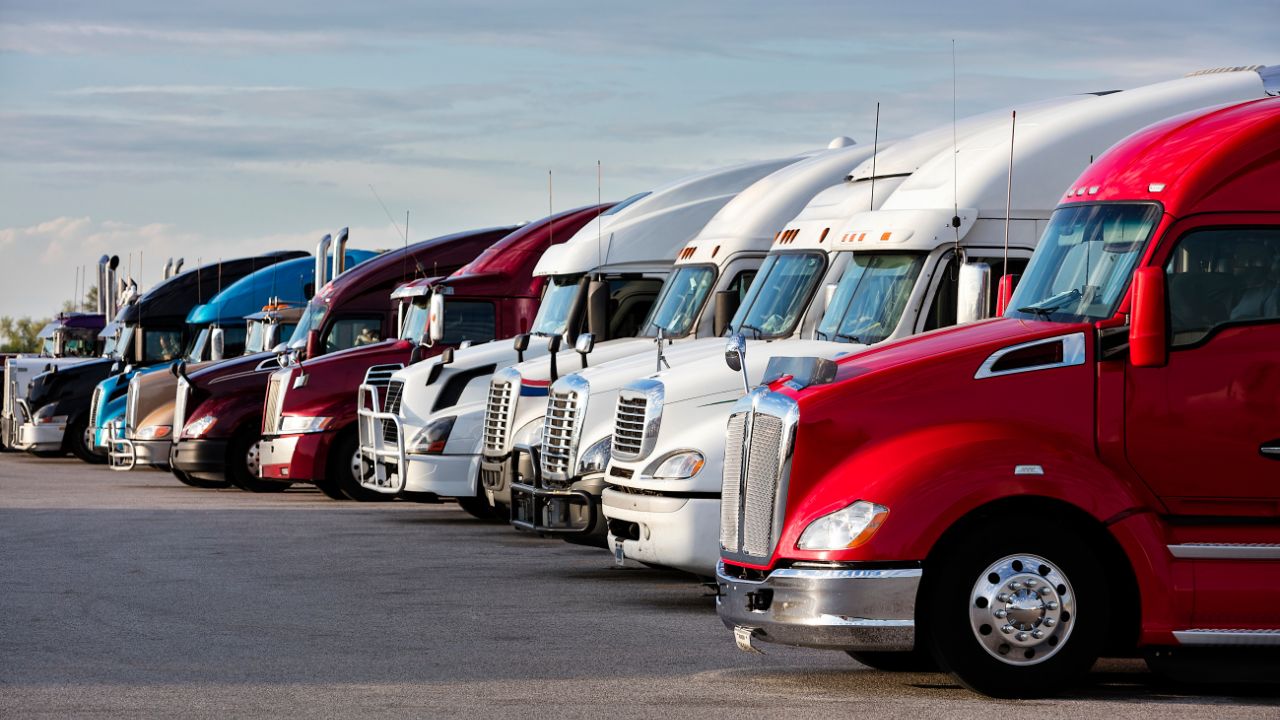
The Australian heavy-vehicle industry has always played a major role in trucking, logistics and large-scale transport operations. With thousands of businesses relying on heavy-duty trucks every day to keep supply chains running, the truck sales market is constantly evolving to meet new demands. Whether you operate a freight company, work in civil construction, run a regional business or manage a fleet, understanding how the truck market is shifting can make a huge difference to your long-term costs, productivity and reliability.
This detailed guide explores everything you need to know before buying a truck in Australia. From assessing your operational needs to budgeting for ongoing costs, comparing truck types, evaluating technology features and knowing where to start your search, you’ll find clear, practical insights tailored to real-world conditions. This article focuses on commercial trucks only and does not apply to pickup trucks.
If you happen to live in Perth and are currently researching options, you might find the listings available through truck sales useful when comparing heavy-vehicle choices across Western Australia.
To support further reading, you can also learn more about the role of trucks in road transport by visiting this external resource:
https://en.wikipedia.org/wiki/Truck
Table of Contents
Why the Modern Market for Truck Sales Is Changing
Australia’s heavy-vehicle landscape is shaped by strong economic factors, industry regulations and major technological shifts. Several elements drive the growth and direction of the truck market:
Rising Demand for Freight and Logistics
As e-commerce increases, delivery timelines tighten and supply chains expand, businesses need trucks that can travel long distances while offering maximum efficiency. This has boosted interest in larger, more capable trucks with improved towing capacity and better fuel performance.
Tough Australian Conditions
Rough rural roads, hot temperatures, long travel distances and heavy payload expectations influence the design and build of modern trucks. Buyers now prefer durable, heavy-spec models built to withstand harsh working environments.
Industry-Specific Requirements
Agriculture, mining, construction and interstate freight all demand unique truck configurations. This encourages manufacturers to offer more specialised models with tailored load systems, wheelbases, suspension types and powertrains.
Improved Fuel Efficiency and Engine Tech
New emission standards and rising fuel costs have pushed many operators to invest in trucks with advanced diesel technology, better aerodynamics and smart engine management systems. These updates help reduce running costs and increase long-term efficiency.
What Buyers Look for Before Making a Purchase
When researching truck sales, Australian buyers tend to focus on several major priorities. Understanding these will help you make an informed and strategic choice.
1. Reliability and Durability
Your truck must withstand demanding workloads, long distances and changing climates. Reliability is often the most important factor, especially for industries with tight deadlines or harsh working environments.
2. Payload and Towing Requirements
Every business has different load needs. Choosing the right GVM, payload and tow rating ensures your truck can legally and safely transport what you need without overloading.
3. Operating Costs
Fuel efficiency, servicing requirements, insurance and ongoing maintenance all influence your long-term expenditure. The cheapest truck upfront may not be the most cost-effective over time.
4. Comfort and Safety
Long-haul drivers especially benefit from safety systems, ergonomic cabins, driver-assist technology and well-designed interiors. Fatigue reduction is essential for compliance and safety.
5. Technology Features
From onboard telematics and diagnostics to enhanced braking systems and adaptive cruise control, modern trucks now offer advanced features that improve safety and fleet efficiency.
Types of Trucks Commonly Found in the Australian Market
Every truck category serves a specific purpose. Knowing the differences helps avoid choosing a truck that doesn’t match your workload.
Heavy Rigid Trucks
Suitable for construction, freight distribution and local haulage, these trucks can handle significant loads while remaining versatile.
Prime Movers
Perfect for long-distance or interstate transport, prime movers offer outstanding towing capacity and the flexibility to attach various trailers.
Tipper Trucks
Used widely in civil construction, mining and landscaping, tippers are built to carry and unload bulk materials efficiently.
Flatbed Trucks
Ideal for transporting oversized or palletised items, flatbeds offer convenience, easy access and strong load security.
Specialised Trucks
This group includes crane trucks, water carts, refrigerated units and other purpose-built heavy vehicles. They are used when an operation has unique requirements.
Essential Features to Consider Before Buying
Choosing the right truck requires more than evaluating the price tag. Below are some core features that deserve close attention.
Engine Performance
Look for:
- Adequate horsepower for your load demands
- Engine torque for pulling power
- Fuel economy ratings
- Compliance with emission standards
Transmission Options
Some operators prefer manual transmissions for full control, while others lean towards automatic or automated manual systems for convenience and fuel economy.
Suspension Systems
A good suspension setup supports:
- Load stability
- Ride comfort
- Better handling on uneven surfaces
Braking Technology
Safety systems like ABS, EBS, stability control and engine braking functions improve safety, especially when towing or travelling long distances.
Cab Technology
Modern trucks include:
- Touchscreen displays
- Navigation tools
- Telemetry systems
- Camera monitoring
- Smart driver-assist systems
Understanding the Economics of Truck Ownership
Fuel Consumption
Fuel is one of the biggest ongoing expenses. Trucks with efficient engines provide long-term savings, particularly for businesses that travel thousands of kilometres per week.
Maintenance and Servicing
Regular servicing prevents breakdowns and extends engine life. Reliable service schedules reduce unexpected downtime and keep your business moving.
Insurance
Insurance costs can vary based on the truck’s value, usage, industry and location. Higher safety features often lead to more affordable premiums.
Resale Value
Trucks that are well maintained hold their resale value better. Choosing a reputable brand and keeping detailed service records is a major advantage at resale time.
Tips for Inspecting a Truck Before You Buy
Below is a checklist to use whether you’re buying new or pre-owned:
- Review service history
- Check tyres for wear
- Inspect the chassis for damage or rust
- Assess suspension condition
- Test all electrical systems
- Listen for engine noises during idle and acceleration
- Confirm compliance certificates
- Inspect braking systems
- Evaluate cabin comfort and interior controls
- Check trailer coupling components (for prime movers)
This practical list ensures you identify potential issues before they become costly repairs.
Truck Sales in Australia: Market Trends to Watch
Increased Adoption of Telematics
Heavy-vehicle telematics is becoming common across Australian fleets. These systems help improve safety, manage maintenance and monitor fuel performance.
Shift Toward Lower-Emission Vehicles
Although diesel remains dominant, interest in hybrid and alternative-fuel trucks is growing, especially among companies with sustainability goals.
Demand for Custom Builds
More businesses are ordering trucks with custom chassis lengths, upgraded safety features, toolboxes, cranes and other attachments to suit very specific workflows.
Digital Buying Behaviour
Online browsing and virtual inspections are becoming more common, allowing buyers to compare trucks before visiting a yard in person.
How to Choose the Right Truck for Your Industry
Transport and Logistics
Choose trucks with high towing capacity, aerodynamic design and long-haul comfort features.
Construction and Civil Works
Look for durability, hydraulic systems, reinforced suspensions and strong chassis builds.
Agriculture
Rural operations benefit from reliable engines, off-road capability and strong load-carrying performance.
Mining and Heavy Operations
High-spec trucks with reinforced frames, safety upgrades and superior braking technology are essential.
The Role of Technology in Shaping the Future of Truck Sales
Technology continues to transform how trucks operate, how they are maintained and how drivers manage long-haul conditions.
Advanced Safety Systems
Adaptive cruise control, lane-keeping assist, collision avoidance systems and 360-degree cameras are quickly becoming standard features.
Remote Diagnostics
Fleet managers can now receive alerts about engine faults, brake wear and performance issues before they develop into major problems.
Fleet Tracking and Efficiency Tools
These tools help optimise routes, reduce fuel use and lower operational costs.
Truck Sales and the Australian Environment
Trucks in Australia must handle:
- Long-distance travel
- Hot climates
- Rural roads
- Varied terrain
- Heavy payloads
Designing trucks that cope with these demands requires strong engineering, high-quality components and durable materials. No matter the model, performance and endurance remain top priorities for Australian buyers.
The truck market in Australia is strong, diverse and constantly evolving. Whether you’re purchasing your first vehicle or upgrading an entire fleet, understanding the key factors behind truck sales helps you make smarter, more economical and more productive decisions. By assessing your operational needs, examining truck features closely and staying informed about industry trends, you can confidently invest in a heavy vehicle that delivers long-term value.
FAQs
1. What is the most important thing to check before buying a truck?
Reliability and service history should always come first, as they reveal how well the truck has been maintained and whether it’s likely to deliver consistent performance.
2. How often should a heavy-duty truck be serviced?
Most heavy vehicles require servicing between 15,000 and 30,000 kilometres, depending on usage, load weight and manufacturer guidelines.
3. Are new trucks better than second-hand trucks?
Both options have advantages. New trucks offer the latest technology and lower maintenance needs, while pre-owned trucks cost less upfront and can still be highly reliable if inspected properly.
4. What affects a truck’s fuel efficiency?
Engine type, load weight, terrain, tyre condition and driving habits all influence fuel consumption.
5. Do trucks hold their value well in Australia?
Yes. Well-maintained trucks with complete service records often retain strong resale value, especially those built for tough Australian conditions.