
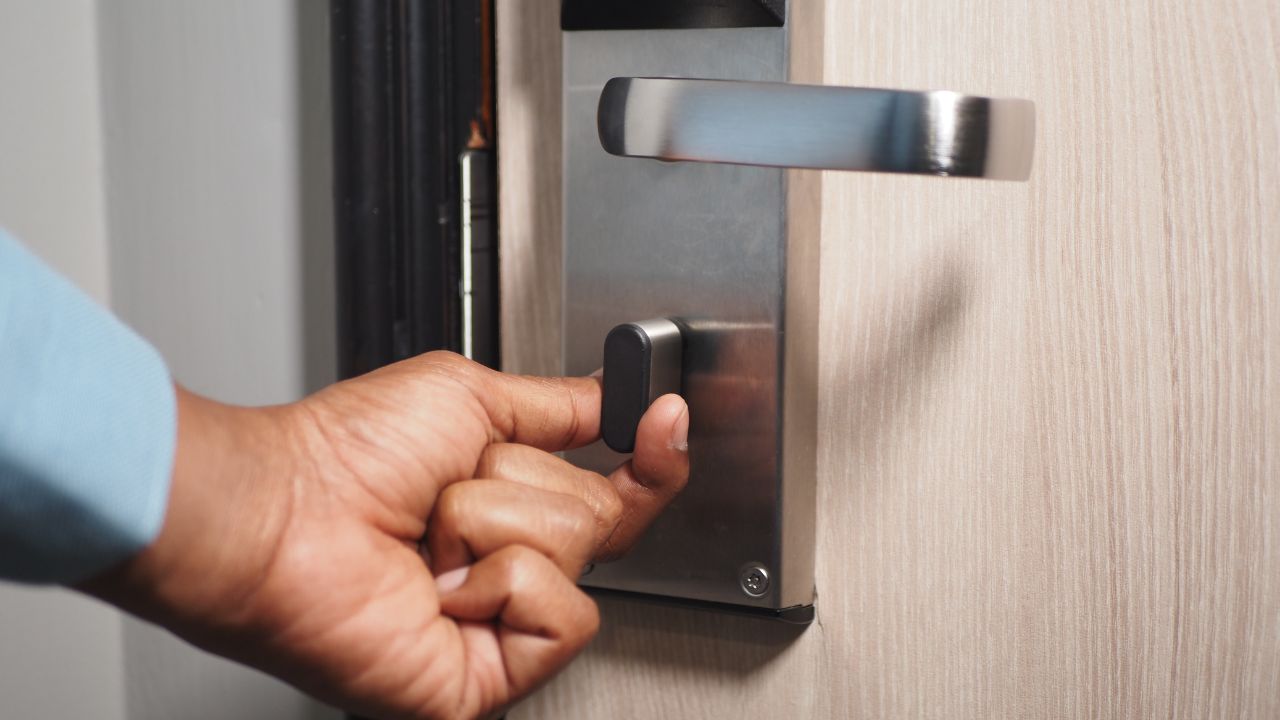
Understanding the Seriousness of a Broken Door Lock
A broken door lock is one of those issues many people notice but tend to ignore—at least at first. Whether it feels stiff, jammed, loose, or refuses to latch properly, a malfunctioning lock can turn from a minor inconvenience into a major safety concern. In Australia, where home security plays a big role in everyday peace of mind, ensuring that your locks are working correctly is essential.
A door lock is more than just a piece of hardware. It is the barrier between your home or business and the outside world. When it breaks, that barrier weakens. Many people often assume a lock fails suddenly, but in reality, the damage usually develops over time due to wear, weather exposure, repeated use or lack of maintenance. Understanding why locks break and how to manage the problem early can significantly reduce risk, stress, and unnecessary expenses.
Broken locks affect homes, rental properties, small businesses, shops, commercial centers and industrial facilities. Regardless of the location, once a lock stops functioning properly, it compromises not only property but also personal safety. This is why addressing even the smallest sign of lock trouble is always recommended.
Common Reasons Door Locks Break and How They Develop Over Time
A broken lock can have several causes, each requiring a different level of attention. Some issues are easy to notice, while others are subtle and develop slowly until the lock completely fails.
Wear and Tear Over Years of Use
Locks experience constant movement. Each twist, turn, slam, or pull chips away at the internal mechanism. Over time, internal components like springs and pins may become misaligned or worn out. Daily habits such as shutting the door too hard or forcing the key can accelerate this damage.
As years go by, the lock may start showing warning signs such as:
- Keys becoming harder to turn
- The lock feeling “sticky” or grinding
- The key needing extra pressure to insert or remove
- The latch failing to catch properly
These early indicators are important to address before the lock stops working altogether.
Misaligned Door Frames and Weather Effects
Australian weather conditions—heat, humidity, rain, cold snaps—affect timber doors and frames. Wood expands and contracts depending on the season. This movement slowly misaligns the door, making the lock strain whenever the door is closed.
Metal doors and frames can also expand in extreme heat and shift slightly out of alignment. When alignment changes, the lock no longer sits naturally in the strike plate, causing stress that eventually leads to breakage.
Key Damage and Poor Key Cutting
A damaged key is a common reason a lock becomes faulty. Bent, cracked or poorly duplicated keys can harm the locking mechanism. If someone uses force with a damaged key, pieces of metal may break inside the lock.
Once a key breaks or chips inside the lock, the entire mechanism becomes vulnerable to jamming.
Rust and Dirt Accumulation
Outdoor locks or locks exposed to moisture may rust internally. Dust and dirt also accumulate naturally over time. When rust and debris interfere with the internal components, the lock may jam, grind or stop functioning properly. Even a small amount of debris can cause long-term deterioration if not addressed early.
Accidental Damage
Sometimes damage happens suddenly due to:
- Forced entry attempts
- Slamming doors aggressively
- Kids playing with locks
- Pets scratching or pushing doors
- Heavy items bumping against the lock
Even small accidents can loosen or break internal components.
Why a Broken Door Lock Poses a Serious Safety Risk
No matter how small the issue seems, a broken lock should always be a priority. Many people underestimate the safety implications until they find themselves locked out, unable to secure their home, or discovering that the door no longer protects their property properly.
Here are major risks associated with damaged locks:
Risk of Being Locked Out
A lock that jams or rejects the key can trap you outside at the most inconvenient times. Being locked out late at night or during extreme weather conditions can be stressful and risky.
Risk of Being Locked Inside
Equally concerning is being unable to open a door from the inside. This becomes a major safety hazard during emergencies such as fire, electrical incidents or unexpected threats.
Home or Business Becomes Easier to Access
A malfunctioning lock may still close the door, but that does not mean it secures it. Many broken locks do not latch properly, leaving the door vulnerable to being pushed open with little effort.
Increased Risk for Tenants and Families
Families with children or elderly individuals must especially ensure locks are working. A broken lock can cause accidental lock-ins or create situations where children can wander outside unsupervised.
Insurance Issues
Insurance policies often require evidence of secure access points. A broken door lock could jeopardise insurance claims in the event of theft or damage.
Early Signs That Your Lock Is About to Break
Most locks give symptoms before they fail completely. Being able to recognise these signs can help stop a small issue from becoming a costly repair later.
Common warning signs include:
- Difficulty turning the key
- Grinding noises
- Wobbly keyholes
- Door needing force to shut
- Key sticking inside the lock
- Latch not aligning with the strike plate
- Needing to lift or push the door to lock it
Identifying these symptoms early helps maintain security and avoids emergency situations.
Why You Should Never Try to Fix a Broken Door Lock Alone
While many homeowners enjoy DIY repairs, fixing a broken lock is not recommended. Modern locks are complex, and tampering with the mechanism without expertise usually makes the issue worse.
DIY attempts often lead to:
- Damaged doors
- Broken keys
- Misaligned strike plates
- Jammed internal pins
- Complete lock failure
It may also create hidden problems that resurface later, making future repairs harder or more expensive. Professional repair ensures the mechanism is handled with proper tools and knowledge.
How Broken Door Locks Are Repaired
Depending on the type of damage, a lock may require:
- Internal realignment
- Replacement of specific components
- Lubrication and cleaning
- Rekeying
- Partial or full lock replacement
- Removal of jammed parts
- Key extraction
The repair process varies significantly between:
- Deadbolts
- Handle locks
- Mortice locks
- Sliding door locks
- Security screen locks
- Digital keypad locks
Each type has different internal architecture, meaning the repair approach will differ.
Preventing Broken Door Locks in the Future
Prevention is always cheaper than emergency repair. Here are helpful tips to extend the life of your locks:
Regular Maintenance
Spray lubricant designed for locks—never grease-based household sprays—can help maintain smooth operation.
Avoid Slamming Doors
Slamming adds unnecessary stress to both the lock and the frame.
Address Sticking or Misalignment Early
If the door requires lifting or pushing to lock properly, the frame may need adjustment.
Use Keys Gently
Forcing a key is one of the most common ways locks are damaged.
Replace Worn Keys
Using a worn key accelerates wear on the lock.
Keep Locks Clean
Outdoor locks benefit from occasional cleaning to prevent dirt buildup.
Broken Door Locks in Rental Properties
Renters often face the challenge of dealing with locks they do not own. Under Australian tenancy rules, landlords must ensure rental properties are secure. A broken lock should always be reported immediately. Tenants should not attempt to repair or replace locks without approval unless it is an emergency situation.
How Weather and Climate Affect Door Locks
Australia’s climate—especially heat in WA—significantly affects locks. Heat expansion, humidity, sea air and even bushfire smoke residue can influence door alignment and lock integrity.
Timber doors often swell during humid periods, while metal doors and frames expand in summer heat. This seasonal movement can gradually misalign the locking mechanism. Regular seasonal inspection helps ensure doors remain functional all year round.
Are You Based in Perth and Need Help With a Broken Lock?
If you live in Perth and are dealing with a broken door lock, you may want to check https://www.247locksmithsperth.com.au/
to ask if they can assist with fast, professional repairs and secure door solutions.
For general home safety and consumer advice, you may also find useful information at:
https://www.productsafety.gov.au
If you are currently struggling with a broken door lock, addressing the issue early will protect your home or business from long-term security problems and potential emergencies.