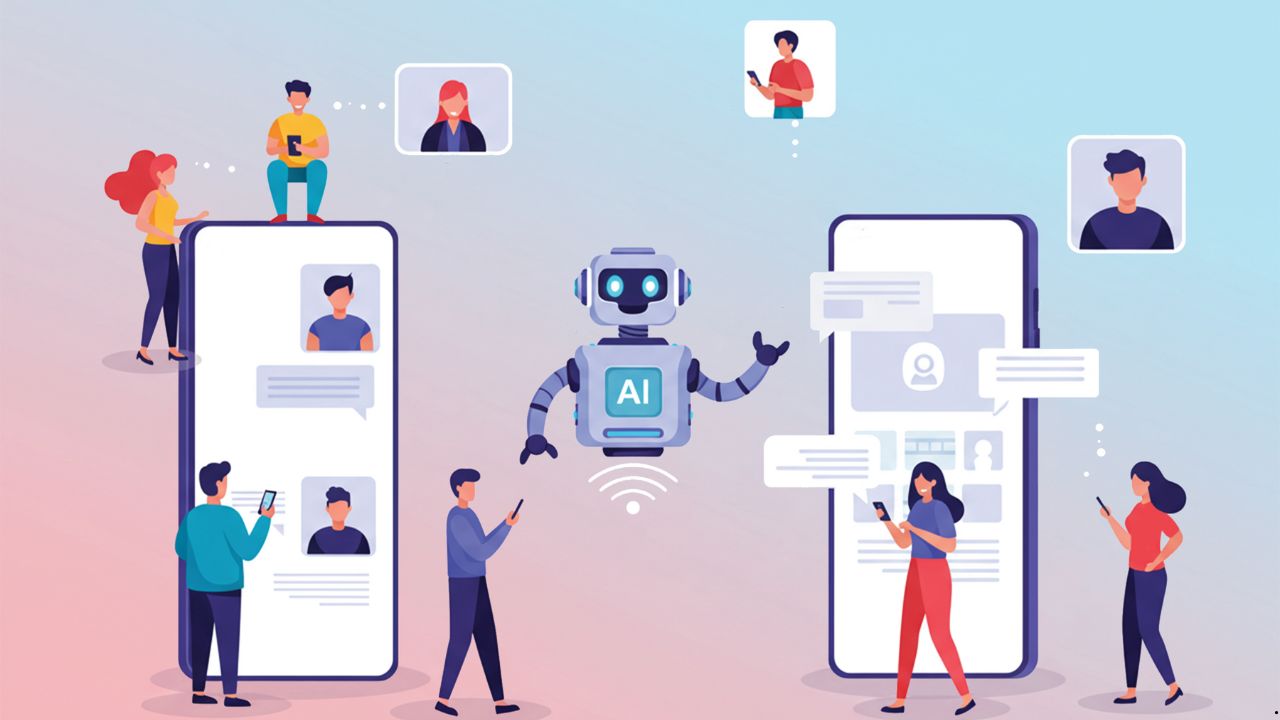
Artificial intelligence is no longer an experimental add-on in digital marketing—it’s becoming foundational. From automating repetitive tasks to unlocking deeper customer insights, AI-powered tools are reshaping how marketing teams plan, execute, and optimize campaigns.
However, adopting AI effectively isn’t about using one tool or chasing trends. It requires building a cohesive AI marketing stack—a set of integrated tools that work together to support strategy, creativity, and performance.
This article breaks down the essential components of a modern AI marketing stack and how marketers can use them responsibly and effectively.
What Is an AI Marketing Stack?
An AI marketing stack is a collection of platforms and tools that use machine learning, natural language processing, or predictive analytics to support marketing activities. These tools assist with tasks such as data analysis, content creation, personalization, automation, and performance optimization.
Rather than replacing marketers, AI enhances human decision-making by speeding up analysis, surfacing insights, and reducing manual workloads.
Core Components of an Effective AI Marketing Stack
1. AI-Powered Content & Copy Tools
Content remains at the heart of digital marketing, and AI has dramatically changed how teams approach ideation and drafting. AI writing tools can help generate blog outlines, ad copy variations, social captions, and email drafts.
The key to using these tools effectively is human oversight. Marketers should treat AI-generated content as a starting point—refining tone, ensuring accuracy, and aligning messaging with brand voice and audience expectations.
2. SEO & Search Intelligence Platforms
Modern SEO requires understanding user intent, search trends, and content performance at scale. AI-driven SEO tools help marketers:
- Identify keyword clusters and topical gaps
- Analyze competitor strategies
- Optimize content for semantic search and search intent
These platforms reduce guesswork and help teams focus on creating content that aligns with how users actually search today.
3. Marketing Automation & Workflow Tools
Automation is one of AI’s most practical applications. AI-enhanced marketing automation tools can manage workflows such as:
- Email segmentation and personalization
- Lead nurturing sequences
- Campaign scheduling and triggers
By automating repetitive tasks, marketing teams can spend more time on strategy, creativity, and optimization instead of manual execution.
4. Analytics & Predictive Insights Tools
Data is only valuable when it leads to action. AI-powered analytics tools analyze large datasets to identify patterns, predict outcomes, and recommend optimizations.
These tools can help marketers:
- Forecast campaign performance
- Identify high-value customer segments
- Detect drop-off points in funnels
Predictive insights allow teams to move from reactive reporting to proactive decision-making.
5. Paid Media & Performance Optimization Tools
AI is increasingly embedded in paid advertising platforms, assisting with bid management, audience targeting, and creative testing. When used correctly, AI helps marketers:
- Optimize ad spend in real time
- Test creative variations at scale
- Identify performance trends faster
The most effective teams balance automation with manual oversight to ensure campaigns align with broader brand and business goals.
6. CRM & Customer Intelligence Systems
AI-powered CRM platforms help marketing and sales teams work more efficiently by improving lead scoring, forecasting, and personalization. These systems use behavioral data to predict customer needs and prioritize follow-ups.
This is especially valuable for growing businesses that want to maintain personalization without increasing operational complexity.
Best Practices for Building Your AI Marketing Stack
Building an AI stack doesn’t mean adopting every new tool on the market. Successful teams focus on:
- Integration: Tools should work together seamlessly
- Scalability: Solutions should grow with your business
- Transparency: Marketers should understand how AI-driven recommendations are generated
- Ethical Use: Avoid over-automation and respect data privacy
Starting small and expanding intentionally often leads to better long-term results than adopting too many tools at once.
The Human Role in an AI-Driven Marketing Strategy
Despite rapid advances in AI, human expertise remains critical. Strategy, creativity, empathy, and ethical judgment are still uniquely human skills. AI works best when it supports these strengths rather than attempting to replace them.
Many digital marketing teams—including agencies like EZMarketing—are finding that the most effective approach blends AI efficiency with human-led strategy and execution.
Final Thoughts
An AI marketing stack isn’t about chasing automation for its own sake. It’s about creating smarter workflows, better insights, and more meaningful customer experiences. By thoughtfully selecting and integrating AI-powered tools, marketers can stay competitive while maintaining authenticity and control.
As AI continues to evolve, marketers who understand how to build and manage the right stack will be best positioned to adapt, scale, and succeed in an increasingly data-driven landscape.