

Key Takeaways
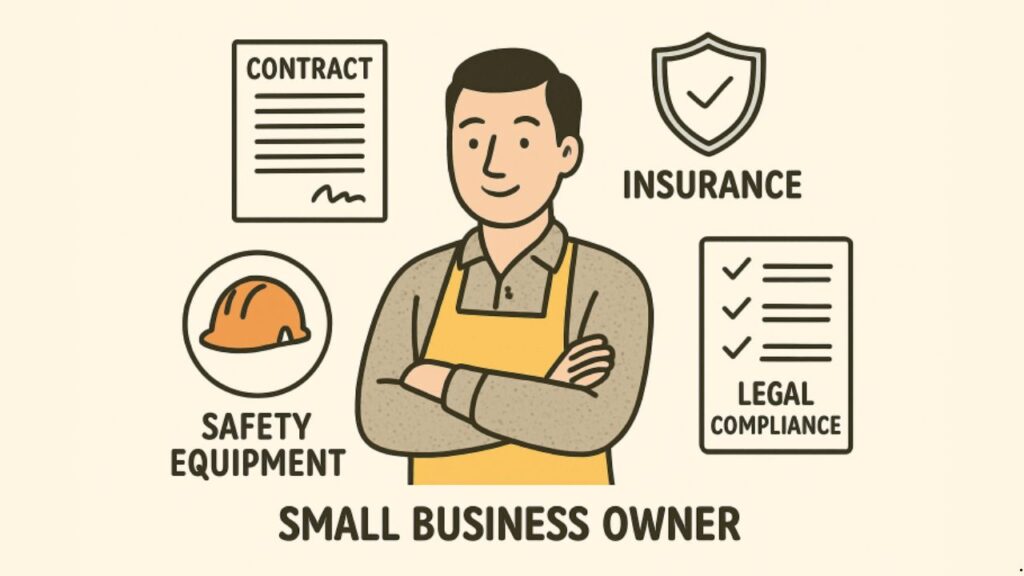
- Clear contracts and agreements are a frontline defense against misunderstandings and disputes.
- Workplace safety protocols and training reduce the risk of accidents and legal claims.
- A tailored mix of insurance policies is critical for comprehensive liability cover.
- Regular legal review ensures you stay compliant with ever-changing laws and regulations.
Running a small business involves navigating a wide range of potential risks, including financial liability and legal disputes. To help your business survive and thrive, it’s crucial to put proactive protections in place. Comprehensive planning can safeguard your company’s assets and reputation while ensuring continued growth. One of the best first steps is to secure adequate business liability insurance, which provides a safety net against unexpected claims.
A thorough approach to liability protection goes far beyond insurance. You’ll need to establish clear policies, provide employee training, and continually reassess your business practices. By taking these steps now, you create a strong shield against lawsuits, regulatory penalties, and costly disruptions, giving you peace of mind and helping you concentrate your energy where it matters most: growing your business.
Establish Clear Contracts and Agreements
Every business relationship—whether with a client, supplier, or contractor should be governed by a written contract. These documents clarify obligations, responsibilities, and deliverables for all parties involved. Utilizing contract management software can save you time and money while ensuring all agreements are organized and enforceable. For example, a well-drafted service agreement should spell out payment terms, scope of work, timelines, and limitations of liability. Not only do contracts help prevent costly misunderstandings, but they also offer critical protection in the event of a dispute.
In addition to formal contracts, having written policies for employees, such as codes of conduct or confidentiality agreements, helps set expectations from the start and can limit your exposure if an issue arises. According to the U.S. Small Business Administration, proper documentation is a core element of any risk management strategy.
Prioritize Workplace Safety
Many liability claims stem from workplace accidents or injuries. Conducting regular safety audits is an effective way to identify potential hazards before they escalate into serious problems. If you ever face such incidents, knowing key considerations when hiring injury lawyers for product liability claims can help protect your business effectively. This includes inspecting your premises for fire hazards, checking equipment, and ensuring safe work practices are enforced. Training your staff through mandatory safety workshops or onboarding sessions empowers everyone to play a role in preventing accidents. Installing basic safety measures, such as security cameras, fire alarms, and first aid kits, further reduces risks and can lower insurance premiums.
Maintain Comprehensive Insurance Coverage
Insurance isn’t a luxury—it’s a lifeline. General liability insurance is essential for protecting your business against claims of property damage, bodily injury, or advertising injury. Understanding common insurance mistakes small business owners make can help you avoid coverage gaps and ensure full protection. For professionals, errors and omissions insurance provides defense against allegations of negligence. Today, cyber liability insurance is just as critical, covering losses from data breaches that could otherwise devastate your operations. Many small businesses also opt for a Business Owner’s Policy (BOP), which combines general liability and property insurance for streamlined protection at a lower cost. For in-depth guidance, the U.S. Chamber of Commerce provides a helpful overview of small business insurance essentials.
Stay Informed About Local Laws and Regulations
The legal landscape is constantly evolving, and noncompliance can result in hefty fines or lawsuits. Stay up to date on relevant local, state, and federal laws covering everything from employment rights to health and safety codes. Industry-specific regulations, such as data privacy rules for firms handling sensitive customer information, are equally crucial. Subscribing to legal newsletters, joining industry associations, or engaging a compliance consultant are all effective ways to stay informed. Your reputation with regulators and clients depends on full compliance, which in turn reduces the likelihood of enforcement actions and penalties.
Implement Cybersecurity Measures
Cyber risks are among the fastest-growing threats to small businesses. Data breaches and ransomware attacks can lead to significant financial losses, lawsuits, and damage to your reputation. Protect your digital assets by maintaining strong passwords, securing networks, backing up data regularly, and updating software to close security gaps. Training employees to spot phishing scams and social engineering attempts further reduces risk. The Federal Trade Commission’s small business cybersecurity resources offer practical tips for building a safer business environment.
Separate Personal and Business Finances
One of the simplest yet most effective moves is to keep all business and personal finances completely separate. This involves maintaining separate bank accounts, credit cards, and accurate bookkeeping records for your business. Not only does this simplify your accounting process and tax filings, but it also protects your personal assets in the event that your business incurs debts or faces a lawsuit. Consider registering your business as a limited liability company (LLC) or a corporation—both structures provide far stronger protection for your personal assets than running a sole proprietorship.
Regularly Review and Update Policies
Your liability exposures change as your business grows and evolves; new services, locations, or personnel can all bring new risks. Schedule an annual review of your contracts, insurance policies, safety procedures, and compliance efforts to ensure ongoing effectiveness. During these reviews, look for any outdated language, insufficient coverage, or areas where your processes no longer match your operations. Keeping these documents current maximizes their effectiveness and safeguards your interests over time.
Seek Professional Advice
Seasoned legal and insurance professionals are invaluable partners in your risk management strategy. Attorneys can tailor contracts and compliance programs, while insurance advisors ensure your policies fully address your business’s unique needs. Even a brief consultation with a qualified professional can reveal hidden risks and provide solutions tailored specifically to you.
By implementing these essential strategies, small business owners can minimize liability risk and create a secure foundation for sustainable growth. Staying vigilant and proactive lets you focus on what matters most—building your business for the long term.