
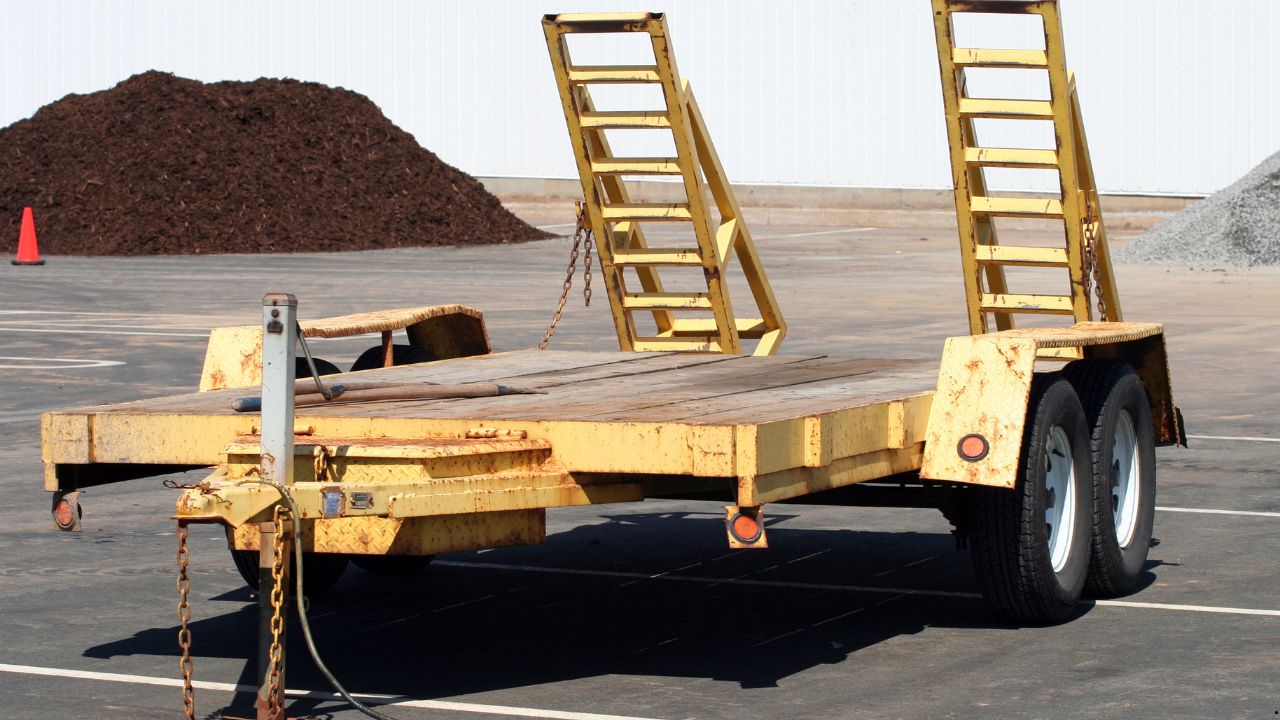
Modern trailers are equipped with innovative features to minimize risk and create a safer working environment. Upgraded braking systems, such as anti-lock brakes, provide confident stopping power, especially when hauling significant weights or navigating heavy traffic. These braking systems help reduce skidding and stop trailers more quickly, particularly in wet or slippery conditions. Integrated LED lighting enhances visibility, making trailers more apparent during night operations or adverse weather, and reducing accident and liability risks. Bright, energy-efficient lights improve visibility for both operators and bystanders, reducing the risk of collisions when working after dark or in foggy conditions.
A material handling trailer further enhances workplace safety by combining ergonomic design with secure cargo management. Features such as reinforced side rails, tie-down points, and low-profile decks make loading and unloading more efficient while minimizing strain on workers. These trailers are specifically designed to integrate seamlessly into modern warehouse and transport workflows, helping reduce accidents involving the movement of heavy or awkward loads.
Other safety-forward advancements include ground-level loading designs that eliminate cumbersome ramps. Industry data highlights that implementing safety features in everyday operations helps businesses decrease workplace incident rates and maintain regulatory compliance. Incorporating features such as built-in tie-down anchor points and durable side rails further prevents cargo shifting and accidents during transport. Safety not only reduces injuries but also builds a reliable, professional reputation with clients who value meticulous protocols.
As businesses grow beyond local operations, understanding international shipping requirements and logistics becomes increasingly important. Selecting the right trailers and transport equipment plays a vital role in ensuring cargo safety, regulatory compliance, and smooth cross-border movement, especially when handling varied load types and long-distance transportation.
Choosing the Right Trailer for Your Business
Choosing a trailer begins with a thorough assessment of your business’s everyday demands. Load capacity is one of the first considerations, especially when transporting heavy equipment or large quantities of materials. Construction firms may prioritize flatbed or dump trailers, which offer flexibility for transporting everything from building supplies to debris. At the same time, landscaping businesses might need utility trailers with side ramps to make equipment loading less strenuous. Delivery companies could benefit from enclosed trailers to protect packages from inclement weather and theft.
It’s also crucial to consider safety during loading and unloading. OSHA provides detailed guidance on best practices for the trucking industry to help prevent injuries and accidents during loading and unloading operations. Following these recommendations ensures that your team handles cargo efficiently while minimizing risk.
Terrain further influences trailer selection. For those navigating rough job sites or varied environments, sturdy suspensions and reinforced frames are invaluable. The conditions your team encounters daily, such as unpaved roads or job sites with frequent elevation changes, demand a trailer designed for resilience and stability. Finally, consider the cargo type—perishable goods, fragile packages, and bulky machinery may all need specialized enclosed or open configurations to ensure cargo integrity during transit. The right trailer not only prevents damage and loss but also boosts employee confidence as they work with purpose-built equipment designed for their precise responsibilities.
Enhancing Safety with Modern Trailer Features
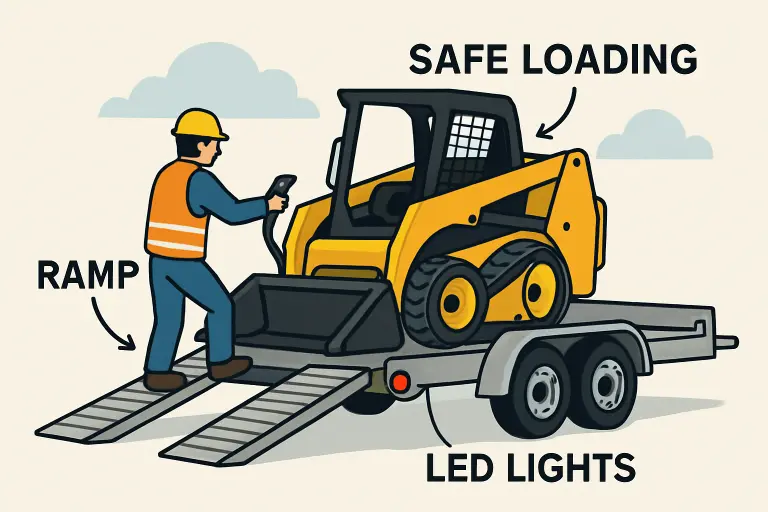
Modern trailers are equipped with innovative features to minimize risk and create a safer working environment. Upgraded braking systems, such as anti-lock brakes, provide confident stopping power, especially when hauling significant weights or navigating heavy traffic. These braking systems help reduce skidding and stop trailers more quickly, particularly in wet or slippery conditions. Integrated LED lighting enhances visibility, making trailers more apparent during night operations or adverse weather, and reducing accident and liability risks. Bright, energy-efficient lights improve visibility for both operators and bystanders, reducing the risk of collisions when working after dark or in foggy conditions.
Other safety-forward advancements include ground-level loading designs that eliminate cumbersome ramps. This not only minimizes tripping and lifting hazards but also allows workers to move cargo more efficiently, reducing the risk of musculoskeletal injuries. Industry data highlights that implementing safety features in everyday operations helps businesses decrease workplace incident rates and maintain regulatory compliance. Incorporating features such as built-in tie-down anchor points and durable side rails further prevents cargo shifting and accidents during transport. Safety not only reduces injuries but also builds a reliable, professional reputation with clients who value meticulous protocols.
For companies aiming to scale operations, expanding your business through global shipping solutions requires efficient transportation systems and reliable trailer technologies. Advanced trailers equipped with tracking, automation, and optimized logistics tools help businesses meet international demands while maintaining efficiency and delivery accuracy.
Boosting Efficiency Through Advanced Trailer Technologies
The integration of innovative technology into trailers is rapidly reshaping how small businesses manage their fleets. Equipped with telematics, modern trailers now provide real-time data on location, cargo conditions, and predictive maintenance indicators. This level of connectivity means operators can pinpoint issues such as under-inflated tires or impending brake wear well before they cause operational delays. By being proactive rather than reactive, businesses minimize downtime and expensive emergency repairs.
Utilizing GPS tracking and automated scheduling tools helps streamline logistics, reduce idle time, and optimize delivery routes. These technologies not only accelerate workflows but also foster improved communication and transparency across teams, ensuring timely deliveries and customer satisfaction. For example, automated route optimization can help businesses identify patterns to refine their schedules further, reducing redundancies and unnecessary mileage. In turn, more efficient routing lowers fuel costs, enables more jobs per day, and builds a reputation for reliability and punctuality, which is crucial for gaining repeat business and positive reviews.
Cost Savings and Environmental Benefits
Small businesses are continually seeking ways to balance operational costs with environmental responsibility. Many of today’s trailers use lightweight, aerodynamic materials that lower fuel consumption and, by extension, reduce emissions. For example, accessories like trailer skirts and tail fairings combat air resistance, potentially improving fuel efficiency by 7-15% based on specific routes and driving habits. These innovations not only reduce the business’s carbon footprint but also yield substantial long-term savings in fuel and maintenance costs.
Adopting recycled composites and sustainable metals can also support green business goals. Not only do these practices result in direct savings from reduced fuel use, but they may also enable companies to earn credits or certifications for environmental stewardship, enhancing brand reputation and appeal to eco-minded consumers. Besides financial benefits, embracing environmentally friendly practices can be a unique selling point, helping small businesses differentiate themselves in a competitive marketplace. More and more clients factor sustainability into their decision-making, and even local governments or organizations may prefer partners who demonstrate commitment to environmental responsibility.
Maintenance Tips for Long-Term Trailer Performance
Ongoing maintenance is the cornerstone of reliable trailer performance. Establishing a checklist-driven maintenance routine ensures that critical components remain in top condition, minimizing the risk of breakdowns that could disrupt business operations. Key maintenance tasks include:
- Frequent tire inspections for tread wear and proper inflation. Worn or underinflated tires reduce safety and efficiency, potentially stranding your team on busy days.
- Testing brake systems, lights, and wiring connections. Making time for regular checks keeps you compliant with roadway safety regulations and ensures trailers function properly, regardless of load or road conditions.
- Regular lubrication of wheel bearings, hitches, and moving parts to prevent friction and corrosion. Simple maintenance here extends the lifespan of these essential parts and helps prevent costly failures in the field.
- Verification of emergency safety tools, reflectors, and compliance signage. Ensuring all required safety elements are present and operational provides peace of mind and conformance with insurer requirements and public safety standards.
Utilizing technology such as digital maintenance logs or scheduling apps ensures that these critical tasks aren’t overlooked and can even automatically remind managers when service is due. A documented maintenance track record also supports resale value and serves as evidence of proactive equipment care if warranty or insurance issues arise.
Conclusion
For small businesses intent on thriving in a highly competitive market, investing in the right trailer solutions lays a foundation for efficiency, safety, and cost-effectiveness. Modern material handling trailers not only streamline heavy-duty tasks but also support employee safety while improving bottom lines. By leveraging advancements in trailer technology and committing to regular maintenance, businesses remain agile, sustainable, and well-equipped to meet the challenges of a dynamic marketplace. The decision to upgrade or invest in a trailer should be seen as a strategic move that fuels both immediate operational gains and lasting business resilience.