
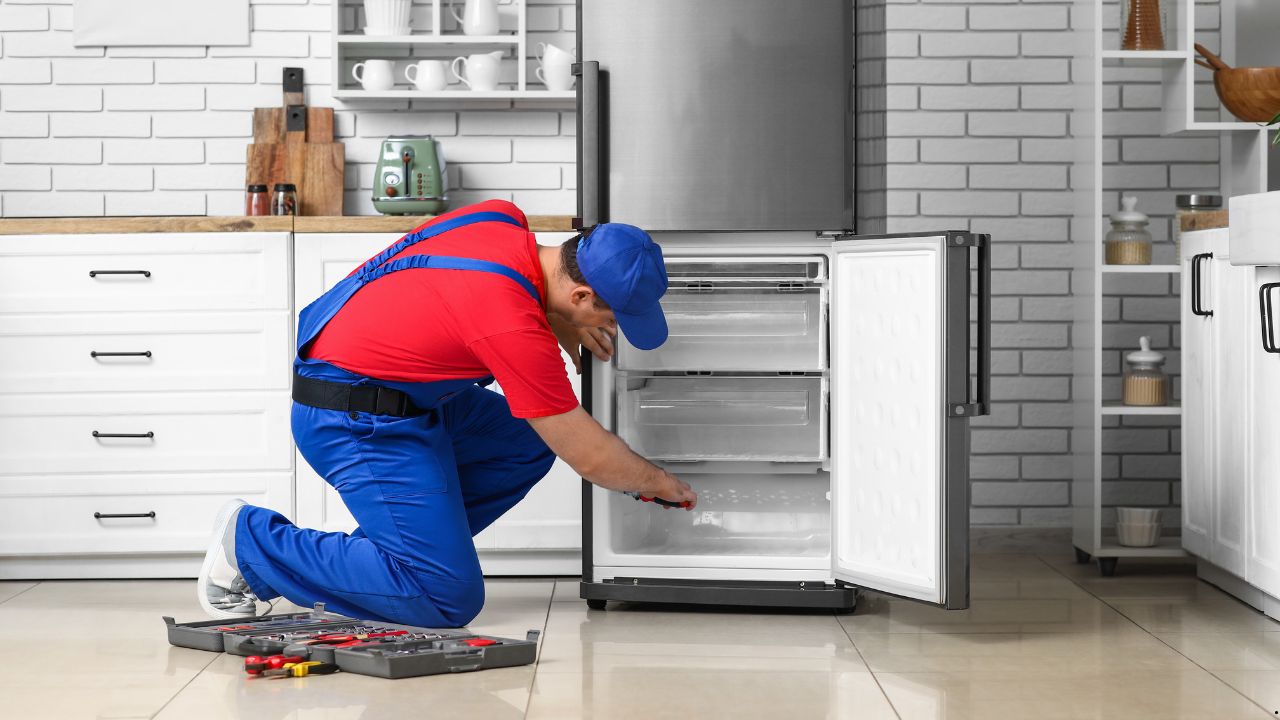
We all depend on our refrigerators more than we realize. These kitchen workhorses keep our food fresh, our drinks cold, and our leftovers safe to eat. However, when something goes wrong with your fridge, it can throw your entire household into chaos. Understanding common refrigerator problems and knowing when to call for help can save you time, money, and a lot of spoiled groceries.
Common Signs Your Refrigerator Needs Attention
Your fridge usually gives you warning signs before it completely breaks down. Therefore, paying attention to these early signals can prevent bigger problems down the road.
First, notice if your refrigerator is making strange noises. While some humming is normal, loud banging, clicking, or buzzing sounds indicate something is wrong. Second, check if water is pooling inside or around your appliance. This often means there’s a drainage issue or a damaged seal. Third, feel the temperature inside both compartments. If your milk spoils quickly or your ice cream is soft, poor cooling or improper food storage could be the reason.
Additionally, watch your energy bills. A sudden spike could mean your refrigerator is working overtime due to an underlying problem. Also, look at the door seals. If they’re cracked, torn, or loose, cold air is escaping, making your fridge work harder than it should.
What Makes Refrigerators Stop Cooling Properly
The cooling problem is the most common issue homeowners face with their refrigerators. Several factors can cause this frustrating situation.
Dirty condenser coils are often the culprit. These coils release heat from inside your fridge to the outside air. When dust and debris cover them, they can’t do their job effectively. As a result, your refrigerator struggles to maintain the right temperature. Most experts recommend regular maintenance because appliance cleaning helps refrigerators run efficiently and last longer.
Furthermore, a faulty thermostat can trick your fridge into thinking it’s cold enough when it’s not. The compressor might also be failing, which is the heart of your refrigerator’s cooling system. If the compressor isn’t working, your fridge simply can’t cool your food. Moreover, blocked air vents inside the fridge can prevent cold air from circulating properly.
Sometimes the problem is simpler than you think. Perhaps someone accidentally adjusted the temperature dial, or maybe the fridge is too close to the wall, blocking proper airflow. Nevertheless, if basic troubleshooting doesn’t work, professional refrigerator repair becomes necessary.
When Ice Makers and Water Dispensers Fail
Common Ice Maker Problems:
- Ice tastes bad or smells funny
- No ice production at all
- Ice cubes are too small or hollow
- Ice maker makes unusual sounds
Water dispensers and ice makers add convenience, but when problems arise, ice maker troubleshooting can help identify common issues. However, they also introduce additional points of failure.
The water filter might be clogged if your water tastes odd or flows slowly. These filters need replacement every six months in most cases. Similarly, frozen water lines can stop ice production completely. This happens when the freezer temperature is set too low or when the line isn’t properly insulated.
In addition, the ice maker’s mechanical parts can wear out over time. The motor might fail, or the water inlet valve could get stuck. These components need expert diagnosis and replacement. Consequently, attempting DIY fixes on water and ice systems often leads to leaks and water damage.
Strange Noises and What They Mean
Your refrigerator makes various sounds during normal operation. Nevertheless, certain noises signal trouble ahead.
A clicking sound that repeats every few minutes might indicate the compressor is trying to start but failing. Meanwhile, a loud humming or buzzing could mean the condenser fan motor is struggling. Rattling noises often come from loose parts or items placed on top of the fridge.
Gurgling sounds are usually normal, as refrigerant flows through the cooling system. However, if the gurgling is excessive or accompanied by poor cooling, there might be a refrigerant leak. Hissing sounds can also indicate this serious problem, which requires immediate professional refrigerator repair.
The Door Seal Problem You Shouldn’t Ignore
Signs of a Bad Door Seal:
- Visible cracks or tears in the rubber gasket
- Door doesn’t close firmly on its own
- Condensation forming on the outside of the fridge
- Frost buildup in the freezer
The rubber seal around your refrigerator door plays a crucial role in energy efficiency. When this seal fails, cold air escapes constantly, forcing your fridge to run non-stop.
Testing your door seal is simple. Close a dollar bill in the door and try to pull it out. If it slides out easily, your seal needs attention. Similarly, feel around the door edges with your hand while the fridge is running. Any cold air you feel means the seal isn’t doing its job.
Replacing a door seal is relatively straightforward for professionals. However, if you ignore this problem, you’ll waste electricity and put extra strain on your refrigerator’s cooling system. Eventually, this can lead to compressor failure, which is much more expensive to fix.
Why Professional Help Makes Sense
Modern refrigerators rely on advanced technology, and refrigeration solutions highlight how proper systems improve performance and efficiency. While some maintenance tasks are DIY-friendly, many repairs require specialized knowledge and tools.
Professional technicians have the training to diagnose problems accurately. They can quickly identify whether you need a simple part replacement or a major repair. Moreover, they have access to genuine replacement parts that fit your specific model perfectly.
Attempting complex repairs yourself can void your warranty. It can also create safety hazards, especially when dealing with electrical components or refrigerant. Furthermore, a misdiagnosis can lead to unnecessary part replacements and wasted money.
Reliable refrigerator repair services offer warranties on their work. This means if something goes wrong after the repair, they’ll fix it at no additional cost. Additionally, experienced technicians can spot potential problems before they become emergencies, saving you from future headaches.
Keeping Your Refrigerator Healthy
Prevention is always better than cure. Regular maintenance keeps your refrigerator running efficiently for years.
Clean the condenser coils every six months using a vacuum or coil brush. Keep the fridge interior organized so air can circulate freely. Don’t overstuff the compartments, as this blocks airflow and makes the cooling system work harder. Also, check door seals regularly and clean them with mild soap and water.
Set the right temperatures: between thirty-seven and forty degrees Fahrenheit for the fresh food compartment, and zero degrees for the freezer. Finally, schedule professional maintenance annually to catch small issues before they become big problems.
Your refrigerator is a significant investment that deserves proper care. By understanding common problems and acting quickly when issues arise, you’ll extend its lifespan and keep your food safe for years to come.