Key Takeaways:
- Welding and fabrication are essential for constructing durable and safe structures.
- Advancements in technology have significantly improved welding precision and efficiency.
- Integrated welding solutions streamline construction processes and reduce risks.
- Ongoing training and adherence to safety standards are crucial for quality assurance.
In today’s construction industry, welding and fabrication represent the critical link between engineering design and finished structure. Whether for skyscrapers, bridges, or industrial plants, robust metal component joining ensures the stability and longevity of these projects. Companies like Elite Weld & Fab play a vital role by bringing expertise and innovation to the field, which is essential for meeting modern infrastructure demands.
This merging of traditional skills with new technologies not only supports the physical integrity of buildings but also underpins the safety and functionality required by society. As construction continues to evolve, welding and fabrication remain indispensable for advancing design and performance.
Advancements in Welding Technology
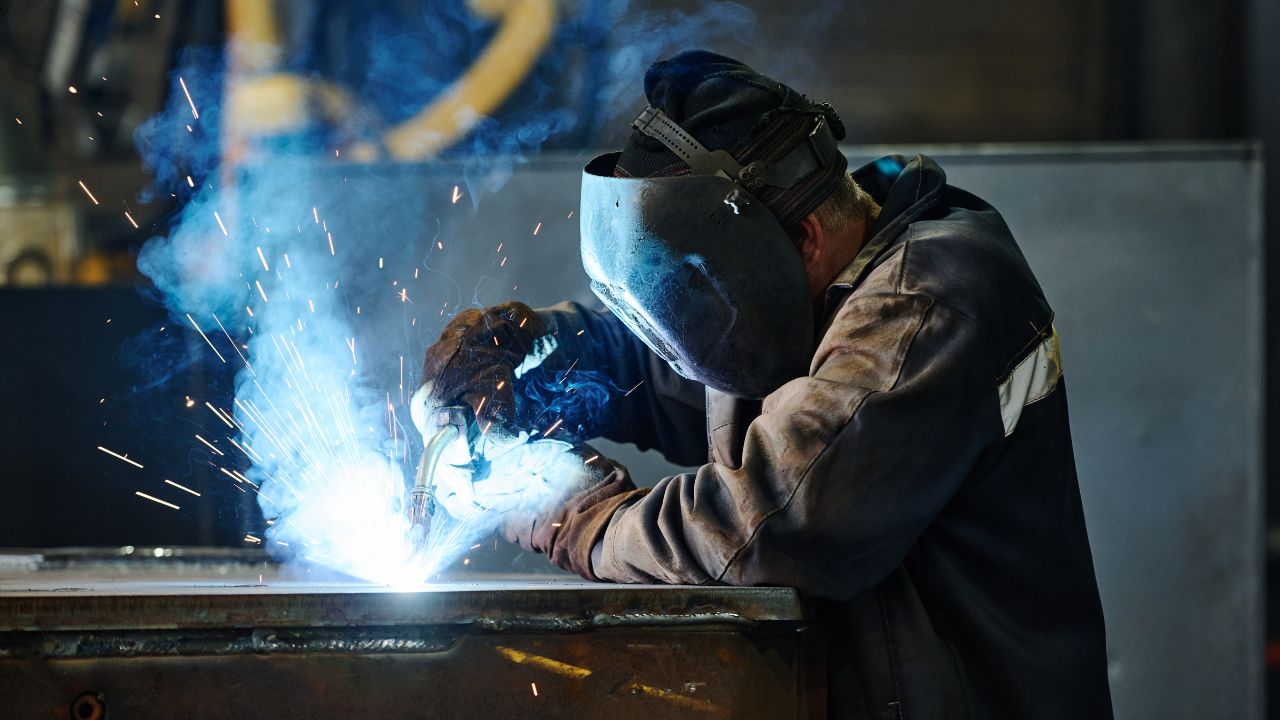
Welding technology has undergone a significant transformation in recent years. The adoption of robotics and advanced welding machines has made processes like arc welding and laser cutting far more precise and safer for workers on site. These advancements reduce human error and increase productivity, enabling larger, more complex projects with improved timelines. Automation also extends to fabrication, where precision tools and computer-aided systems streamline cutting, welding, and assembly tasks.
By integrating digital sensors and analytics, construction companies can monitor weld quality in real time, minimizing costly rework and defects.
Integrated Welding Solutions
Integrated welding solutions are changing the pace of the construction industry by bridging the gap between shop fabrication and on-site assembly. By implementing a unified approach, construction teams maintain consistency from the initial build to any necessary field repairs. Using digital tracking and documentation, stakeholders make more informed decisions and quickly identify areas needing attention.
This approach reduces the chance of inconsistencies or overlooked defects. Precise planning and seamless transitions between project phases lead to faster timelines and increased predictability for construction project outcomes. Integrated solutions also reduce administrative burden, helping keep projects on budget and on schedule.
Ensuring Quality and Safety
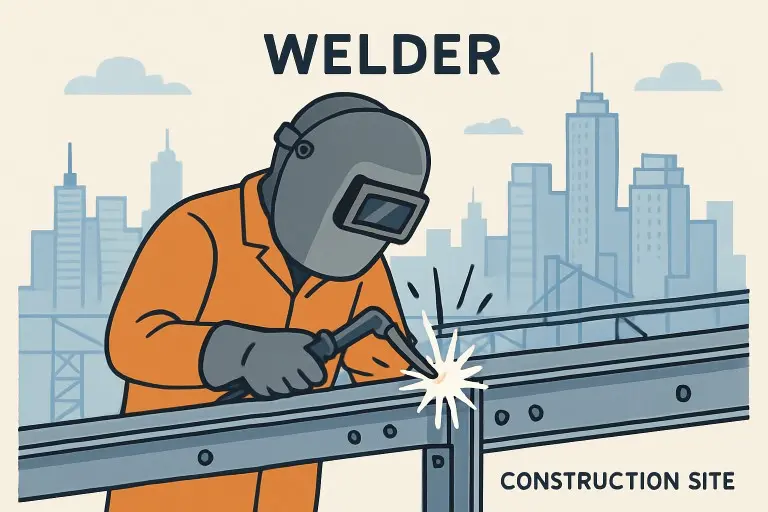
Structural integrity in construction hinges on maintaining high weld quality, which is only achieved through rigorous inspection and advanced monitoring systems. Modern construction sites employ non-destructive testing (NDT) methods such as ultrasound, magnetic particle, and X-ray inspections. These techniques allow project managers to identify and address potential weaknesses without damaging the materials being examined.
The introduction of digital weld cameras and real-time analytical tools enables instant feedback, helping crews address issues promptly and avoid costly delays. Emphasizing these standards is critical because gaps in welding quality can have severe safety and financial implications for both contractors and end users.
Addressing the Skilled Labor Shortage
One of the most urgent challenges in the field is the growing shortage of skilled welding professionals. As older tradespeople retire and fewer young workers enter the trades, the gap between available talent and industry needs continues to widen. This talent gap is placing pressure on project delivery and cost efficiency, particularly as demand grows and global metalworking firms continue expanding their production capabilities to meet international construction needs.
To combat this shortage, companies and trade organizations are investing in robust education, apprenticeships, and upskilling programs. By emphasizing the appeal and long-term career benefits of welding, the industry hopes to attract a new generation of skilled workers who can meet the technical and safety challenges of tomorrow’s construction landscape.
Sustainable Practices in Welding and Fabrication
Sustainability has moved to the forefront of construction practices, and welding and fabrication are no exception. The emphasis is now on reducing waste, minimizing environmental impact, and maximizing efficiency through the adoption of greener manufacturing methods. Scrap metal recycling, lean manufacturing principles, and the use of energy-efficient equipment are just some of the ways companies are making operations more environmentally responsible.
Modern electric arc welding processes have become more energy-efficient while reducing fumes and emissions. Adopting these sustainable practices not only benefits the environment but also aligns companies with globally recognized standards and client expectations for responsible construction methods. Sustainability is now as much a part of strategic planning as safety and quality, influencing both daily site activities and long-term business decisions.
Conclusion
Welding and fabrication remain the cornerstone of modern construction. Their role stretches across the entire project lifecycle, from initial design to final inspection, ensuring that structures are both safe and durable. As advancements in technology, cross-disciplinary integration, and sustainable practices become the norm, the industry must continue investing in its workforce and tools to build a resilient future. Addressing current challenges, such as the skilled labor shortage, will allow welding and fabrication professionals to underpin the ambitious construction projects of tomorrow with both confidence and quality.