
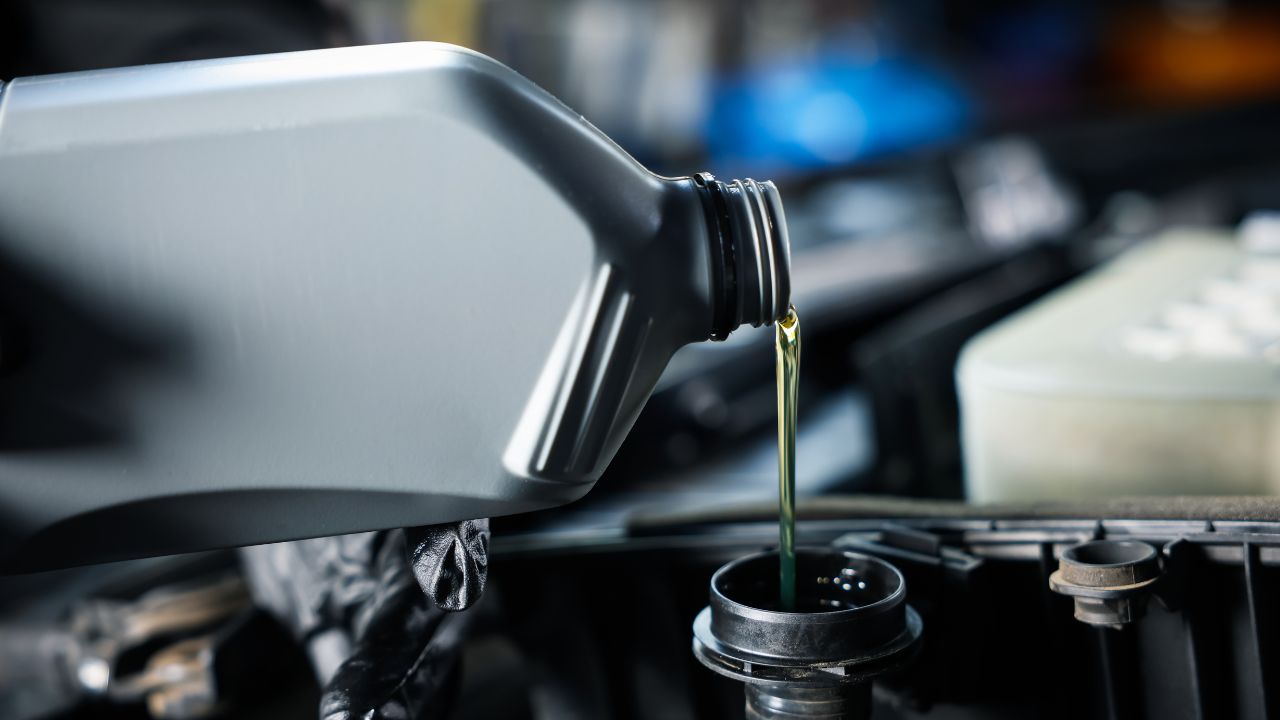
Key Takeaways
- Regular oil changes maintain engine lubrication, reducing friction and wear.
- Clean oil helps dissipate engine heat, preventing overheating.
- Timely oil changes remove contaminants, preventing sludge buildup.
- Proper maintenance can improve fuel efficiency and reduce emissions.
- Adhering to manufacturer-recommended oil change intervals is crucial.
Keeping up with car maintenance can sometimes feel overwhelming, but few services are as critical as a routine oil change. This essential yet straightforward procedure ensures your engine stays healthy, efficient, and dependable for years. By investing in regular oil changes, car owners can protect their vehicles and avoid costly repairs down the line.
Engine oil is at the heart of your vehicle’s performance. When changed regularly, clean oil acts as a barrier against friction and contaminants, making sure your engine’s complex moving parts work in harmony. Neglecting this task can lead to increased wear, inefficiency, and even major engine failure. Staying on top of oil changes is a small effort that brings substantial benefits to every driver.
Beyond longevity, keeping your oil fresh directly affects how your car feels and responds on the road. Many people find that a car with clean oil runs more smoothly and quietly, and starts more easily. In the long run, committing to this simple maintenance step can help you get the most miles from your investment.
Maintaining your car’s oil isn’t just about personal benefits, either. It is an environmentally friendly choice that helps reduce harmful emissions and pollutants that can affect your community and the world at large. Routine care pays off for your vehicle, your wallet, and the planet.
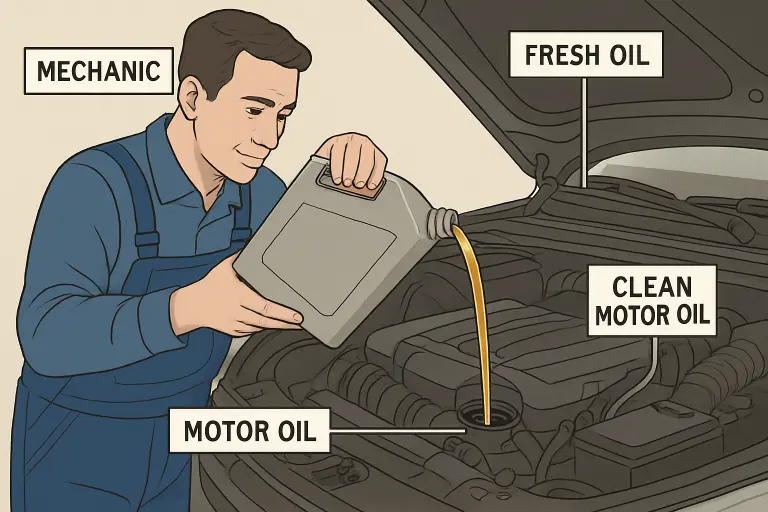
Maintaining Engine Lubrication
Engine oil forms a protective layer between the metal parts inside your engine. This barrier greatly reduces friction, keeping moving components from grinding against each other. When oil becomes dirty or depleted, friction increases and can quickly cause harmful wear. Without regular oil changes, vital pieces such as the camshaft, crankshaft, and bearings become far more prone to overheating and damage. Staying consistent with oil service is one of the simplest ways to protect your engine from long-term damage. Skipping oil changes may not cause immediate problems, but over time it significantly increases wear and mechanical stress. Understanding the full impact of engine health can help drivers make smarter maintenance decisions and avoid expensive repairs later.
Enhancing Heat Dissipation
Your engine produces extreme heat every time you drive. Besides lubricating parts, oil carries heat away from hard-working components toward the oil pan, where it can safely dissipate. Old oil loses its ability to transport heat as effectively. As a result, neglected oil can cause engine parts to overheat, potentially warping critical pieces or triggering warning lights. Fresh oil keeps temperatures steady and helps engines perform optimally, regardless of climate or traffic conditions.
Removing Contaminants and Preventing Sludge
As you drive, oil picks up microscopic particles of dirt, metal, and other impurities. Over time, these contaminants accumulate and thicken the oil, forming sludge that can clog vital oil passages. When oil stops flowing freely, engine parts are starved of the protection they need. Even worse, sludge buildup can block oil from reaching sensitive areas, causing rapid wear and efficiency losses. Regular oil changes flush out old, contaminated oil and replace it with fresh oil free of debris, so your vehicle stays clean on the inside and runs more dependably.
Improving Fuel Efficiency
Friction between engine parts forces your car to work harder. This directly impacts your fuel economy. Fresh, high-quality oil reduces this resistance, allowing your engine to use less energy and burn less gasoline during each trip. Studies show that vehicles running on old or viscous oil experience a measurable drop in fuel efficiency. For drivers trying to lower everyday driving costs, regular maintenance plays a bigger role than many realize. Simple habits like timely oil changes, tire checks, and routine inspections can make a noticeable difference in performance and long-term expenses. If you’re looking for more practical ways to reduce vehicle costs, explore these car maintenance tips to keep your car running efficiently without stretching your budget.
Reducing Harmful Emissions
Engine oil thick with dirt and contaminants can burn more easily or form carbon deposits inside the engine. This can lead to increased emissions of hydrocarbons and other pollutants through your exhaust system. Changing your oil at recommended intervals helps ensure your emissions system functions as intended, reducing your car’s environmental impact. Cleaner, more efficient engine performance keeps air cleaner and helps pass emissions inspections, which is especially important in regions with strict air quality laws.
Understanding Oil Change Intervals
For many years, drivers were told to change their oil every 3,000 miles. However, thanks to new engine technologies and improved synthetic oils, most modern vehicles can now safely go 5,000, 7,500, or even 10,000 miles between oil changes. These guidelines depend on factors like your specific car model, oil type, and driving environment. To protect your investment, always follow your manufacturer’s recommended intervals, which you can find in your owner’s manual or consult a trusted automotive technician. Failing to change your oil regularly is a leading cause of costly engine repairs.
Choosing the Right Oil for Your Vehicle
Every vehicle is engineered for a specific oil viscosity and type. Your owner’s manual will specify whether you need synthetic, semi-synthetic, or conventional oil, as well as the best viscosity for your local climate. While synthetic oils often offer superior performance and protection for most modern engines, older models may perform best with traditional oils. Make sure to use oil that meets the standards and certifications recommended by your manufacturer to get optimal results. If you are unsure, consult a knowledgeable mechanic to avoid accidental damage from the wrong oil choice.
Final Thoughts
Routine oil changes are one of the least expensive ways to protect your vehicle, maximize fuel efficiency, and reduce emissions over the vehicle’s lifespan. Taking the time to replace your oil can help you avoid breakdowns, enhance engine performance, and secure peace of mind every time you hit the road. Trust regularly scheduled maintenance and professional advice, and your car will reward you with years of reliable service.