
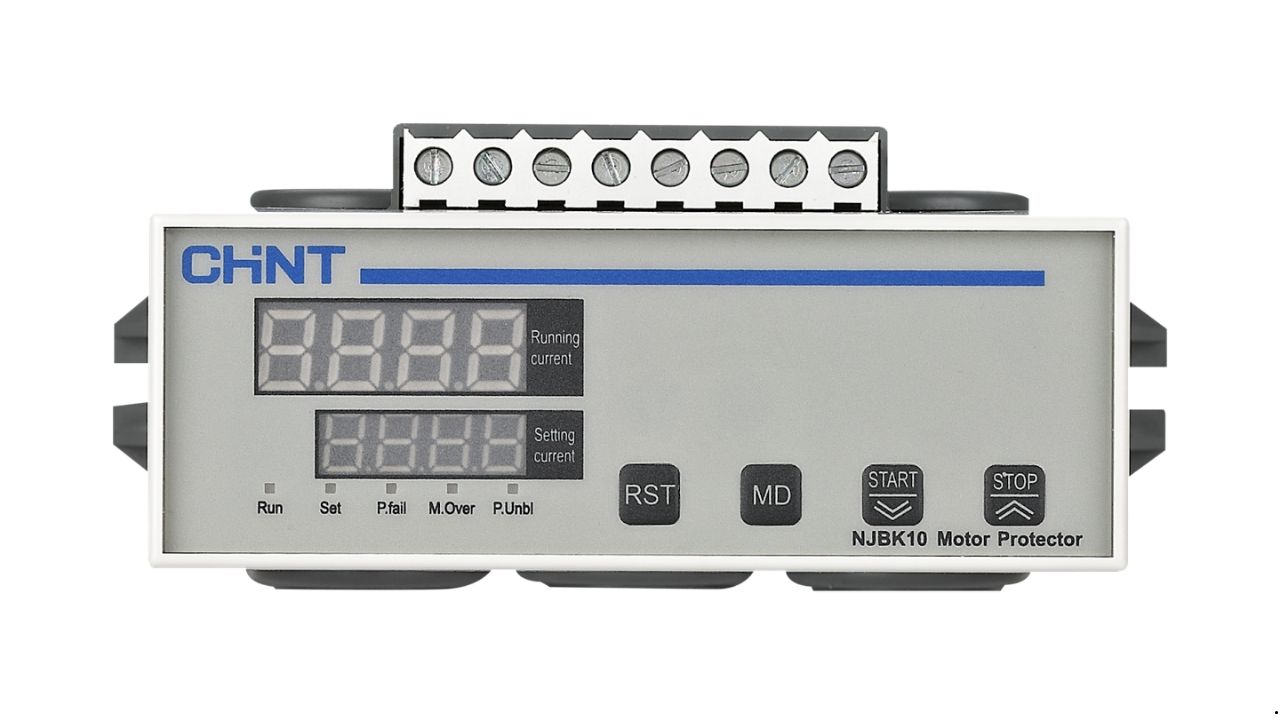
Electric motors are the backbone of industrial automation. They power conveyors, pumps, fans, compressors, and countless machines that keep production lines running. When a motor fails unexpectedly, the impact goes beyond a simple repair. You may face halted operations, product loss, safety concerns, and missed deadlines. In automated environments where systems run continuously, even a short interruption can create a chain reaction of downtime.
That is why a motor protection relay plays such a critical role in modern control systems. Instead of waiting for failure, it monitors motor operating conditions and reacts to abnormal electrical behavior before damage becomes permanent. As industrial automation grows more connected and data-driven, motor protection relays have also evolved into smarter devices that support monitoring and diagnostics, not just shutdown.
Why Motor Protection Matters in Automation
Automation systems are designed for speed, precision, and repeatability, but motors often operate under harsh and unpredictable conditions. Loads change, ambient temperatures rise, voltage quality fluctuates, and mechanical wear builds up over time. Without protection, these stresses quietly degrade motor insulation and bearings until a breakdown occurs.
Most industrial users experience similar pain points:
- Unplanned downtime caused by overheating or overload failures
- High maintenance costs due to reactive repairs instead of early fault detection
- Limited visibility into motor health until a shutdown happens
A motor protection strategy is not only about preventing damage. It also supports better planning, faster troubleshooting, and more stable automated production.
What Is a Motor Protection Relay?
A motor protection relay is a protective control device that continuously monitors motor electrical conditions and triggers a trip signal when unsafe conditions are detected. Unlike basic protective components such as fuses, a relay is designed to detect a range of faults, including those that develop gradually. This makes it especially valuable in industrial automation, where motors are expected to operate reliably over long periods.
In practice, the relay is usually installed inside a control panel and works closely with a contactor or motor starter. When abnormal conditions occur, the relay can shut down the motor, send a warning to the control system, or provide diagnostic feedback. This makes it both a protective tool and a troubleshooting aid.
Key Motor Conditions Monitored by Relays
Motor protection relays focus on the most common causes of motor damage, particularly conditions that generate excessive heat or mechanical stress. These faults can occur suddenly, such as a phase loss, or slowly, such as an overload caused by gradual mechanical resistance.
Typical monitored conditions include:
- Overload current
- Phase loss and phase imbalance
- Ground faults
- Locked rotor or motor stall
- Undercurrent conditions in pump systems
- Overtemperature through PTC sensor monitoring
By continuously monitoring these electrical and thermal stresses, a motor protection relay prevents minor irregularities from escalating into major failures. However, protection alone is not enough. The physical condition of components such as motor brushes also plays a significant role in overall performance, efficiency, and lifespan. When both electrical protection and component quality are addressed together, motor reliability improves substantially.
Core Protection Functions in Industrial Automation
Overload Protection
Overload protection is a core function of a motor protection relay. If a motor runs above its rated current for too long, heat builds up in the windings and can lead to insulation damage or burnout. Many relays use time-based trip logic that allows short startup surges but trips during sustained overload to prevent long-term damage.
Phase Loss and Imbalance Detection
Three-phase motors require balanced voltage. If one phase is lost, the motor may keep running while drawing excessive current, leading to rapid overheating and reduced torque. Even small voltage imbalances can increase heat and vibration, and a motor protection relay detects these issues early to prevent damage and production disruption.
Ground Fault and Earthing Protection
Ground faults occur when current leaks into the motor frame or surrounding equipment, creating safety hazards and equipment risk. Causes often include moisture, insulation breakdown, or worn wiring. A motor protection relay with ground fault monitoring detects leakage early and trips quickly to reduce shock risks and limit damage.
Locked Rotor and Stall Protection
Locked rotor and stall conditions happen when a motor is jammed or cannot start, causing high current draw without movement. This creates rapid overheating that can damage windings quickly. A motor protection relay identifies stall patterns and trips early to protect both the motor and connected machinery.
Integration of Motor Protection Relays in Automation Systems
A motor protection relay is most effective when it works as part of a broader automation architecture. In many industrial setups, the relay connects directly to contactors, overload circuits, and PLC inputs. This allows the automation system to respond immediately when a trip occurs, rather than relying on manual intervention.
Modern relays may support communication options such as digital outputs, analog signals like 4–20 mA, or serial communication protocols. These capabilities allow you to monitor motor health remotely and record fault history, making troubleshooting faster and reducing the time needed to restore production.
Installation and Panel Design Considerations
Motor protection relays must be installed and configured correctly to work reliably in automation systems.
- Typically installed in MCCs or automation control cabinets
- Mounted using DIN rail or panel mounting
- Selection depends on cabinet layout, motor voltage, and device coordination
- Must be wired accurately and set to the correct current range
- Should integrate properly with contactors and control logic
- Incorrect settings can cause nuisance trips or missed fault detection
- Commissioning and periodic checks help maintain proper protection
Typical Industrial Applications of Motor Protection Relays
Conveyors and Material Handling Systems
Conveyor motors run continuously under changing loads in factories and warehouses. A motor protection relay detects overloads from jams or wear, preventing overheating and reducing production disruption. Fast fault detection also protects downstream equipment.
Pumps, Fans, and Compressors
Pumps and fans often face variable demand. If a pump runs dry, the current may drop and cause mechanical damage. A motor protection relay identifies both overload and underload conditions, supporting safer and more stable operation.
HVAC and Water Treatment Automation
HVAC and water treatment motors operate continuously in demanding environments. Temperature and phase protection help prevent overheating and supply faults. Reliable motor protection is critical for maintaining service continuity.
Automated Production Lines
Production lines depend on synchronized motor-driven equipment. One failure can stop the entire process. Motor protection relays isolate faults quickly and provide diagnostics that reduce downtime and speed up recovery.
How to Select the Right Motor Protection Relay
Choosing the right motor protection relay depends on both the motor itself and the automation environment around it. You should consider not only motor current rating, but also the type of load, frequency of starting, and whether remote monitoring is required.
Key selection factors include:
| Selection Factor | Why It Matters |
| Current Range | Must match motor full-load current accurately |
| Protection Functions | Overload, stall, imbalance, ground fault as needed |
| Communication Support | Enables PLC or SCADA monitoring |
| Environmental Tolerance | Important for heat, humidity, and dust exposure |
| Reset Method | Manual reset improves safety, and auto reset supports continuity |
Before installation, always verify motor nameplate data and confirm real operating conditions. If possible, review the startup current, load variation, and duty cycle to ensure settings reflect actual usage rather than assumptions. For example, manufacturers such as CHINT provide motor protection relay models with configurable protection functions and communication-ready designs suited for industrial automation panels.
Conclusion
Industrial automation depends on motor reliability, and motor reliability depends on protection. A motor protection relay is one of the most practical tools you can use to prevent overload damage, detect phase imbalance, respond to stall conditions, and reduce safety risks caused by electrical faults. In modern automated facilities, these relays also improve visibility by supporting monitoring, alarms, and fault reporting.
By understanding how motor protection relays work and how they integrate into control systems, you can reduce downtime, extend equipment lifespan, and make automation systems more stable. If you want automation to stay productive and predictable, investing time in proper motor protection design and configuration is one of the smartest steps you can take.