
If you’ve been using Claude Code for any serious development work, you’ve probably noticed it assigns you a unique identifier — a UUID that persists across your sessions. Most developers treat it like any other system ID: ignore it, forget about it, move on. But there’s something surprisingly fun hiding inside that string of characters.
Your UUID Is More Than an ID
Claude Code’s UUID isn’t just a session token. Buried in that identifier is a deterministic seed that maps to a unique “Buddy” — a virtual creature with its own species, rarity tier, stat distribution, and even a personality profile. It’s part of the Claude Code ecosystem, and it’s one of those delightful details that rewards curious developers who look a little closer.
The system uses a hashing algorithm (FNV-1a) on your UUID to generate a fully reproducible result. That means your Buddy is uniquely yours — no one else with a different UUID will get the same one — and it will always be the same every time you check.
The Species and Rarity System
There are 18 distinct species in the Claude Buddy universe, ranging from common to legendary. The rarity tiers follow a probability distribution similar to what you find in gacha games or trading card systems:
- Common — the most frequent; solid, reliable companions
- Uncommon — a step up, with more distinctive traits
- Rare — noticeably harder to land; unique stat bonuses
- Epic — rare enough to be worth showing off
- Legendary — less than 1% probability; the holy grail
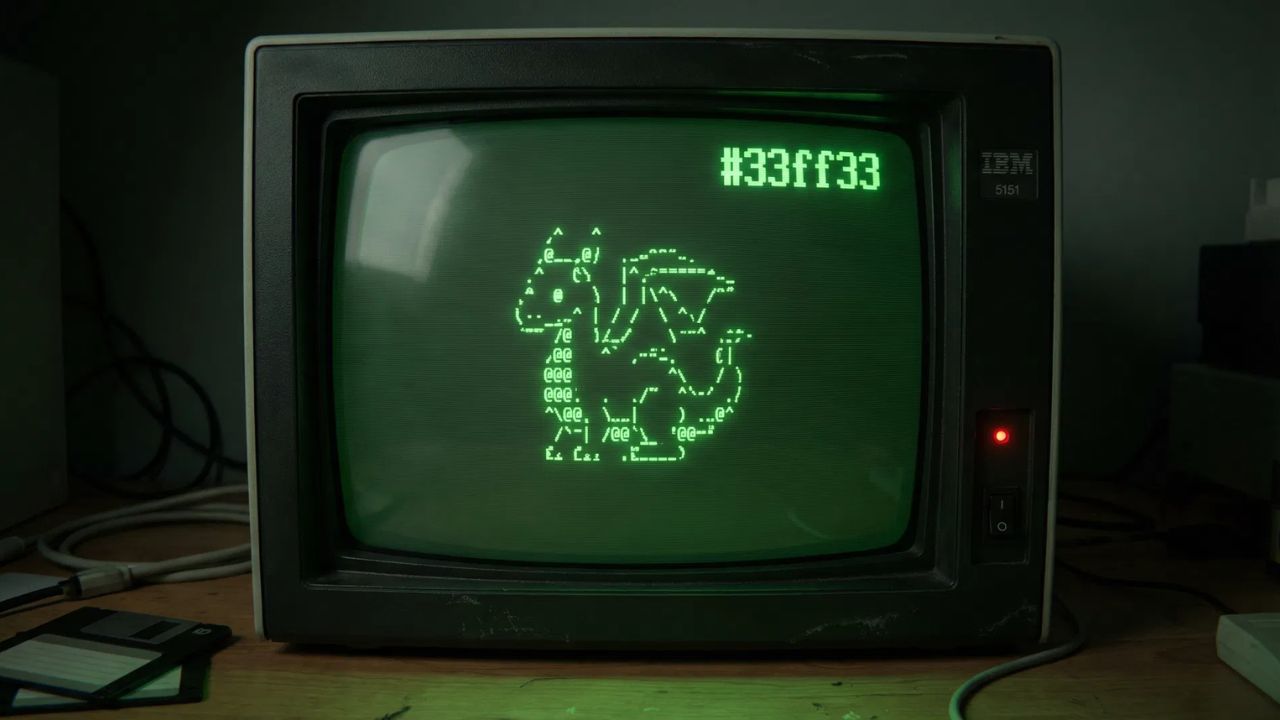
Each species comes with a lore entry, peak stat potential, and a 12-frame ASCII animation. It’s a surprisingly complete mini-system built on top of what most developers just think of as “that ID in the config.”
Why Developers Are Sharing Their Buddies
In developer communities, Claude Code Buddy results have become a low-key conversation starter. People share screenshots of their Buddy’s ASCII art, compare rarity tiers, and debate whether certain species have better vibes for certain types of projects. It’s the kind of organic community behavior that emerges when someone builds something genuinely clever.
The interesting part from a technical standpoint is that everything is deterministic and client-side. There’s no server call, no database lookup — just a pure function from UUID to Buddy. This makes it fast, private, and reproducible.
How to Check Yours
The easiest way to look up your Claude Code Buddy is through Claude Buddy Checker — a purpose-built tool that takes your UUID and runs it through the full generation algorithm. It shows you your species, rarity, stat breakdown, and the ASCII sprite animation. The interface supports English, Chinese, and Korean, which speaks to just how international the Claude Code user base has become.
To find your UUID: open Claude Code, and look in your configuration or session data for the unique identifier associated with your account. Paste it into the checker and you will have your result in under a second.
The Bigger Picture: Gamification in Developer Tools
Claude Code’s Buddy system is a small but telling example of a broader trend: developer tools are increasingly incorporating playful, identity-driven features that go beyond pure utility. Gamification in developer tools is often powered by subtle forms of behavioral design, much like how modern analytics systems rely on concepts such as user tracking across web to understand and influence engagement patterns. These aren’t accidents — they’re deliberate design choices that make tools more sticky and more human.
A Buddy system that’s fully deterministic and tied to a persistent identifier is a clever implementation of this idea. It costs nothing to generate, requires no backend infrastructure, and gives users a personalized artifact they’ll actually remember and care about.
Final Thought
The next time someone tells you a UUID is just a system identifier, tell them to check their Claude Code Buddy. Sometimes the most interesting things in developer tooling are the ones nobody told you to look for.
Looking up your own Buddy? Head to claudebuddy.art — results are instant and your UUID never leaves your browser.