
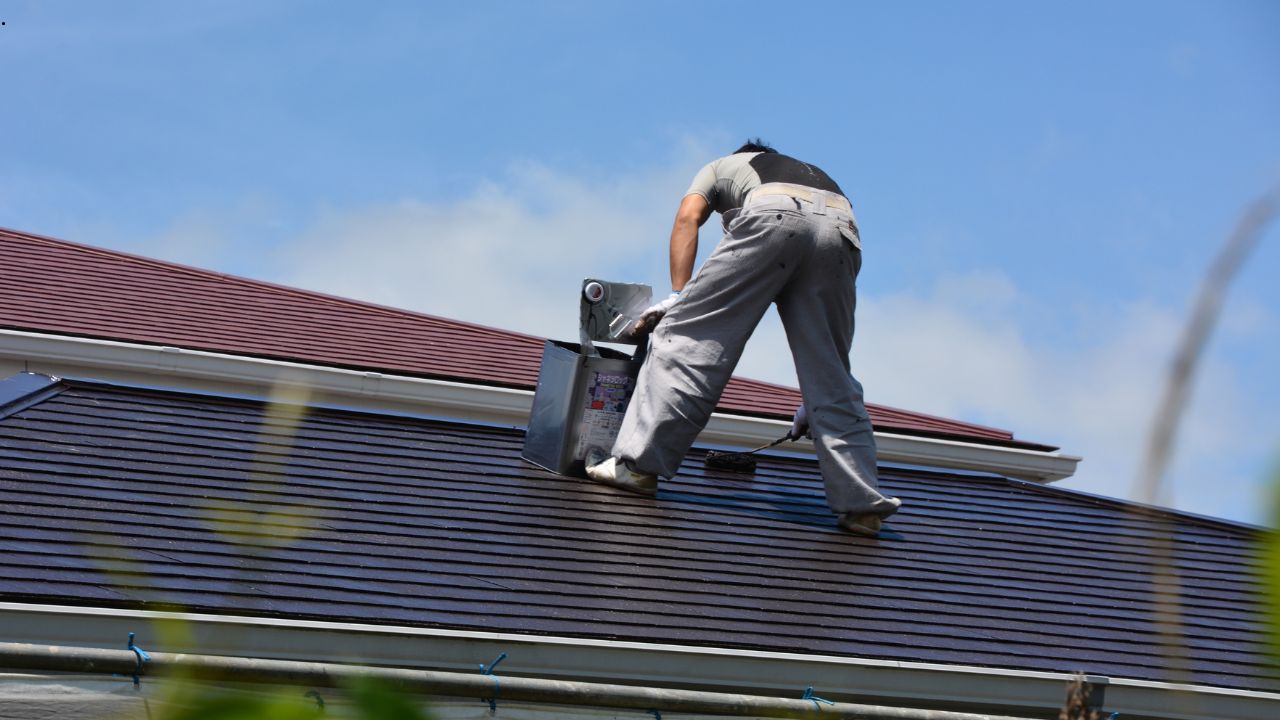
A roof rarely fails all at once. More often, small issues build quietly over time until they become expensive repairs, interior damage, or a full replacement that could have been delayed with earlier attention. For homeowners, that makes prevention far more valuable than reacting after a leak appears.
The good news is that roof care does not have to be complicated. A practical inspection routine, a clear understanding of warning signs, and a trusted local professional can go a long way toward protecting your home, budget, and peace of mind.
The Hidden Cost of Waiting Too Long
Many homeowners think about their roof only when a major storm rolls through or when water stains show up on the ceiling. By that point, the problem may have already spread beyond the roofing system itself. Moisture can affect insulation, decking, drywall, paint, and even indoor air quality.
The bigger issue is that roofing damage is often subtle at first. A few lifted shingles, loose flashing, clogged drainage paths, or minor storm impact may not seem urgent. But those smaller weaknesses can make the entire system more vulnerable over time.
Delaying attention can lead to:
- Higher repair costs later
- More extensive water intrusion
- Reduced energy efficiency
- Shorter roof lifespan
- Greater disruption to daily life
Preventive inspections help catch these issues while they are still manageable. That is what makes them one of the most cost-effective habits a homeowner can build.
What a Good Roof Inspection Actually Looks For
A thorough roof inspection is not just a quick glance from the ground. A meaningful assessment looks at how the whole system is performing, not just whether shingles appear intact from the street.
A quality inspection typically evaluates:
Surface wear and material condition
This includes missing shingles, cracked tabs, granule loss, punctures, blistering, or signs of aging that suggest the roof is no longer shedding water as effectively as it should.
Flashing and vulnerable transitions
Chimneys, vents, skylights, valleys, and wall intersections are common trouble spots. Even when the main roofing field looks fine, failing flashing can let water in.
Drainage performance
Gutters, downspouts, and roof slopes all play a role in moving water away from the structure. When drainage is compromised, water can pool or back up where it should not.
Storm-related concerns
Wind, hail, and debris strikes can leave behind damage that is easy to miss without a trained eye. Even minor impacts may shorten the life of the roof if left unaddressed.
Ventilation and attic-related issues
Poor ventilation can trap heat and moisture, which affects both comfort and roofing performance. In many homes, the symptoms of roofing problems begin in the attic before they appear indoors.
Why Climate and Local Conditions Matter
Roofing is never one-size-fits-all. The conditions a roof faces in one region may be very different from those in another. In warmer climates and storm-prone areas, roofing systems often endure intense sun exposure, wind events, heavy rain, and temperature swings that accelerate wear.
That is why local experience matters. Contractors who understand regional weather patterns, material performance, and common failure points can often identify issues faster and recommend solutions that make sense for the area. For homeowners who want a clearer sense of what local roofing service and inspection support can include, idealprecisionroofing.com offers useful context around repair, replacement, and storm-related roofing needs.
The key is not simply finding someone who can install a roof. It is finding a professional who understands how roofs age under the specific conditions your property faces.
Signs Homeowners Should Never Ignore
Some warning signs are obvious, but many are easy to dismiss until the damage worsens. Knowing what to watch for can help you act before a minor issue becomes a major one.
Here are some of the most common red flags:
- Water stains on ceilings or walls
- Shingles that look curled, loose, or uneven
- Granules collecting in gutters
- Sagging roof sections
- Drafts or unexplained temperature changes in upper rooms
- Visible damage after a storm
- Moss, algae, or trapped debris that holds moisture
- Rising energy bills with no clear explanation
Not every sign points to a severe problem, but each one deserves attention, especially before seasonal rain can make small issues worse. These simple rain roof checks can help homeowners catch problems early and avoid costly damage. Waiting for certainty is often what turns a straightforward repair into a larger restoration project.
The Value of Routine Maintenance
Roof maintenance is often overlooked because it does not feel urgent, but understanding proper care and timing can significantly extend your roof’s life and performance. Learn more about practical roof maintenance tips and lifespan factors through this guide on roof maintenance tips. Yet roofs perform best when they are inspected and maintained on a regular schedule, especially after major weather events.
Routine maintenance can include:
- Clearing debris from valleys and roof edges
- Checking gutters and downspouts for blockages
- Reviewing sealants and flashing condition
- Looking for signs of animal intrusion
- Monitoring any previous repair areas
- Scheduling professional inspections annually or after storms
This kind of care helps preserve the roof’s protective function and gives homeowners better visibility into what their home may need next. It also supports smarter budgeting. Instead of facing a sudden emergency expense, homeowners can plan for repairs or replacement with better timing and less stress.
Choosing a Contractor With the Right Approach
When roofing issues arise, speed matters, but so does judgment. Homeowners should look for professionals who focus on communication, documentation, and practical recommendations rather than pressure tactics.
A strong roofing partner should be able to:
- Explain findings clearly
- Distinguish between repairable issues and full replacement needs
- Document storm or wear-related damage thoroughly
- Outline material and warranty considerations in plain language
- Respect the homeowner’s timeline and budget
The right contractor helps homeowners make informed decisions. That is especially important when storm damage, insurance questions, or long-term property value are part of the equation.
Conclusion
Your roof is one of the most important systems protecting your home, yet it is often one of the least noticed until something goes wrong. That is why preventive inspections matter so much. They reduce surprises, limit avoidable damage, and give homeowners a more confident path forward.
In the long run, roof care is not just about fixing problems. It is about protecting the structure beneath it, preserving comfort inside it, and extending the life of one of your home’s most important investments. A proactive mindset, supported by reliable local expertise, can make all the difference.