
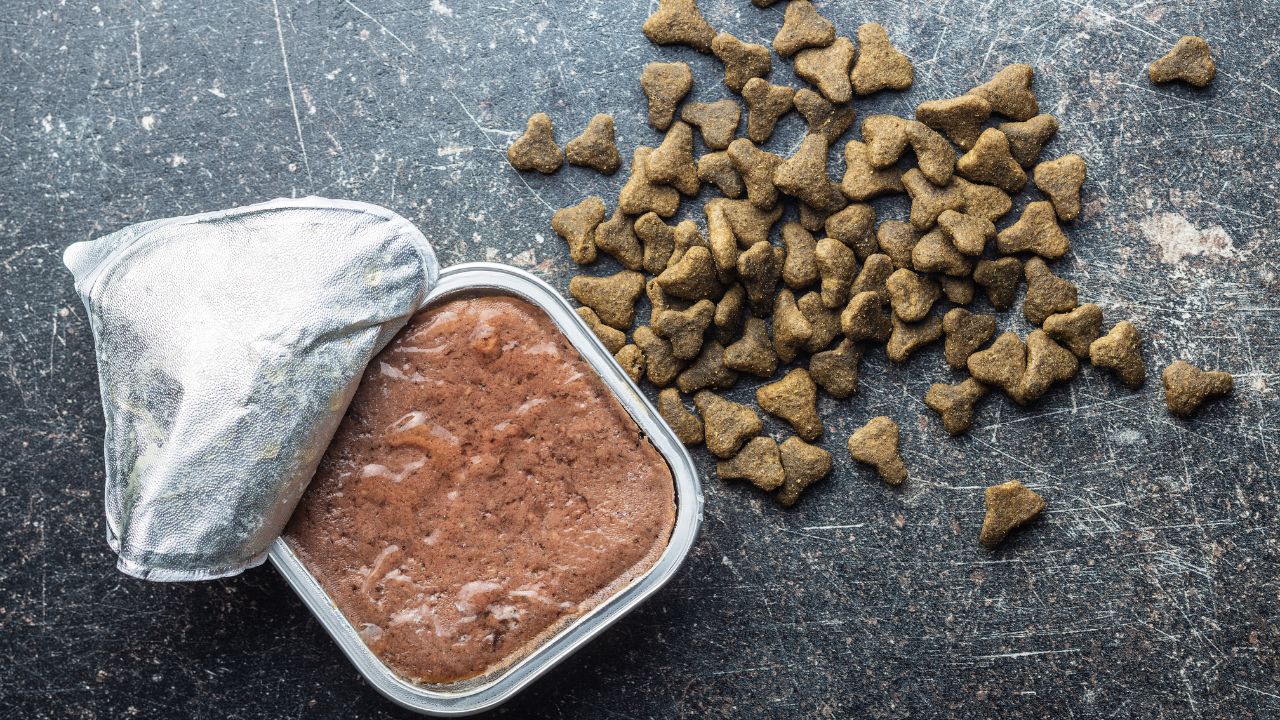
For many dog owners, choosing food starts with a simple question: should I feed dry dog food, wet dog food, or fresh rolls? The answer is not the same for every dog. A healthy young working dog, a small apartment dog, a fussy senior, and a puppy with a sensitive stomach may all need different feeding routines. The goal is not to follow the latest trend, but to choose a practical diet that supports your dog’s age, lifestyle, digestion, preferences, and your household schedule.
Modern pet food aisles are more diverse than they used to be. Dry kibble is still popular because it is convenient, affordable, and easy to store. Wet food offers moisture, aroma, and softer texture. Fresh rolls sit somewhere between home-style feeding and commercial convenience, giving owners a chilled, ready-to-serve option that can be used as a complete meal or a topper depending on the product. Each format has strengths, limitations, and situations where it may work better.
For Australian pet owners comparing everyday dog food options, https://adspet.com.au/ can be used as a reference point for how a Melbourne-based pet store presents a broad mix of food formats, treats, accessories, and local shopping options in one place. Still, the most useful decision begins with education: understanding what each food format offers and where it may fall short.
Why Feeding Format Matters
Dog food format affects more than mealtime. It influences storage, cost, portion control, water intake, dental routine, travel convenience, and how easily you can manage picky eating or diet transitions. Some owners focus only on the ingredients list, but the physical form of the food also matters.
A dog that eats dry food may be easier to feed when travelling or staying with a sitter. A dog that eats wet food may receive more moisture and stronger flavour, which can help with appetite. A dog eating fresh rolls may enjoy a softer, meatier texture, but the household needs fridge space and careful handling. None of these options is automatically best. The right choice depends on the dog in front of you and the routine you can maintain consistently.
Consistency is important because sudden diet changes can upset digestion. If your dog is currently doing well on a particular format, there may be no need to change quickly. If you want to introduce another format, do it gradually and observe stool quality, energy, skin condition, appetite, and overall comfort. Dogs do not need constant novelty; they need food that works for them over time.
Dry Dog Food: Convenience, Value and Everyday Structure
Dry dog food is the most common choice for a reason. It is easy to measure, easy to store, usually more economical per meal, and practical for busy households. Large bags can be kept in sealed containers, portions can be weighed or scooped, and feeding schedules are simple. For multi-dog homes or owners with limited time, this convenience is a major advantage.
Kibble also works well with training routines and enrichment games. Owners using reward-based methods often combine meals with short sessions using dog training apps for aggressive dogs to build better behaviour habits at home. It can be placed in puzzle toys, slow feeders, treat balls, snuffle mats, and automatic feeders. This allows owners to turn ordinary meals into mental stimulation, which is helpful for active dogs or dogs that eat too quickly. Dry food is also easier to take on road trips, camping weekends, or visits to family.
However, dry food is not perfect. It contains less moisture than wet food or fresh rolls, so owners must make sure dogs have constant access to clean water. Some dogs find dry food less appealing, especially if they are fussy, unwell, elderly, or used to stronger aromas. Kibble also varies widely in quality, so owners should read labels carefully. Protein source, life stage suitability, calorie density, fat level, and feeding guidelines all matter.
Another common misunderstanding is dental health. Some owners assume dry food automatically cleans teeth. While chewing kibble may provide some mechanical action, it should not replace proper dental care. Tooth brushing, dental chews, veterinary checks, and suitable chew items may still be needed. Dry food can be part of a practical routine, but it is not a complete dental plan by itself.
Wet Dog Food: Palatability, Moisture and Soft Texture
Wet dog food is often more aromatic and easier to chew than dry kibble. This makes it useful for fussy eaters, senior dogs, dogs with missing teeth, or dogs that need encouragement to eat. The higher moisture content can also support hydration, especially for dogs that do not drink much water on their own.
Wet food comes in cans, trays, pouches, and tubs. Some formulas are complete and balanced meals, while others are designed as toppers or complementary foods. This distinction matters. If a product is not complete and balanced for your dog’s life stage, it should not be used as the entire diet unless your veterinarian has advised a specific plan.
The main drawbacks are cost, storage, and handling. Wet food is usually heavier to ship and more expensive per calorie. Once opened, it needs refrigeration and should be used within a safe timeframe. Portion control can also be less convenient if your dog needs only part of a can or pouch. For large dogs, feeding wet food as the full diet may become expensive, but using it as a topper can be a practical middle ground.
Wet food can also be helpful during transitions. Mixing a small amount into dry food may make meals more attractive while still keeping the structure and cost control of kibble. Owners should be careful not to overfeed when combining formats. The extra calories from wet food, toppers, or treats can add up quickly, especially for small dogs or dogs with lower activity levels.
Fresh Rolls: A Middle Ground Between Convenience and Fresh Feeding
Fresh dog food rolls are chilled products that are usually sliced or portioned at home. Many owners like them because they look and smell more like fresh food than kibble, while still being easier than cooking a full homemade diet. Depending on the product, rolls may be used as a complete meal, a topper, or a short-term option for dogs that need softer food.
Fresh rolls can be especially useful for dogs that are bored with dry food, senior dogs that prefer softer textures, or owners who want to add variety without moving fully into raw feeding. They are also easy to cut into small pieces for training rewards, although calories should still be counted. Some dogs respond very well to the texture and aroma, which can make mealtime smoother.
The main considerations are refrigeration, shelf life, and label reading. Fresh rolls require fridge space and safe handling after opening. Owners should follow storage instructions, use clean utensils, and avoid leaving fresh food out for long periods. In warm Australian weather, chilled products need particular care during transport and home storage.
Fresh rolls also vary in nutritional purpose. Some are complete diets, while others are better treated as meal additions. Owners should check whether the product is suitable for puppies, adults, seniors, or all life stages. They should also compare protein source, fat level, and feeding guidelines. A roll that suits a highly active dog may be too rich for a small, sedentary dog.
How to Compare the Three Options
When choosing between dry food, wet food, and fresh rolls, it helps to compare them across several practical factors rather than asking which is universally best.
For convenience, dry food usually wins. It is shelf-stable, easy to measure, and simple to use in feeders and enrichment toys. For palatability, wet food and fresh rolls often have an advantage because they are softer and more aromatic. For moisture, wet food is usually strongest, followed by fresh rolls, with dry food requiring the most attention to water intake. For cost control, dry food is often the most economical, especially for large dogs. For texture and appetite support, fresh rolls and wet food may be more appealing.
Storage is another key factor. Dry food needs a cool, dry place and an airtight container. Wet food needs refrigeration after opening. Fresh rolls must be chilled and used according to instructions. If your household is small, busy, or short on fridge space, dry food may be easier. If you shop frequently and can manage chilled products, fresh rolls may fit well.
The dog’s size matters too. A tiny dog may be affordable to feed on wet food or fresh rolls, while a large dog may make those options expensive as the full diet. For large dogs, a mixed routine may be more realistic: dry food as the base, with wet food or fresh roll portions added for flavour, moisture, or variety.
Which Dogs May Benefit from Dry Food?
Dry food is often suitable for healthy adult dogs whose owners need convenience, predictable portions, and easy storage. It may be a strong choice for dogs that tolerate kibble well, have steady appetite, and need a consistent everyday diet. It is also practical for households using puzzle feeders or training-based mealtimes.
Owners should choose dry food based on the dog’s life stage and body condition. Puppies need formulas designed for growth. Large-breed puppies may need specific mineral balance. Adult dogs need maintenance diets suited to activity level. Senior dogs may need easier-to-chew kibble, adjusted calories, or formulas that support ageing needs.
Dry food may not be ideal as the only option for every dog. If a dog is dehydrated, extremely fussy, recovering from illness, or struggling to chew, wet food or softened meals may be easier. In those cases, veterinary advice is sensible, especially if the appetite change is sudden.
Which Dogs May Benefit from Wet Food?
Wet food can work well for dogs that need extra encouragement to eat. The smell and texture may appeal to dogs that reject dry kibble. It can also help senior dogs or dogs with dental discomfort because it is softer. For dogs that do not drink enough water, the moisture content can be helpful as part of a broader hydration routine.
Wet food may also be useful for portion-controlled feeding in small dogs, where a tray or pouch can fit neatly into a daily plan. But owners should monitor calories. Wet food can feel light because of the moisture content, yet calorie levels vary. Always check the feeding guide and adjust based on body condition.
If using wet food as a topper, remember that it changes the total diet. A spoonful added daily may be fine, but larger amounts should be balanced by reducing other food. Treats, chews, training rewards, and table scraps also count toward daily calories.
Which Dogs May Benefit from Fresh Rolls?
Fresh rolls may suit owners who want a more fresh-food style without cooking at home. They can be useful for dogs that enjoy soft, meaty textures, dogs that need variety, or households that want to combine commercial nutrition with a less processed feel. They can also be convenient for training because slices can be cut into small pieces.
For fussy dogs, fresh rolls can sometimes improve meal acceptance. For dogs transitioning away from a low-quality diet, they may help owners introduce a more structured feeding routine. But fresh rolls should still be chosen carefully. The product should match the dog’s life stage and should be handled safely.
Fresh does not automatically mean better, and homemade-looking food does not always mean nutritionally complete. Owners should avoid assuming that visual appeal equals balance. Read the label, follow feeding guidelines, and speak with a veterinarian if your dog has medical conditions, allergies, pancreatitis history, or special dietary needs.
Mixed Feeding: A Practical Option for Many Households
Many owners do not need to choose only one format. Mixed feeding can be a flexible and realistic approach. A dog may eat dry food as the main diet, with wet food added at dinner. Another dog may eat fresh rolls several days a week and kibble at other times. Some owners use wet food or fresh rolls only as toppers to improve appetite.
Mixed feeding can combine the strengths of each format. Dry food provides structure and convenience. Wet food adds moisture and aroma. Fresh rolls add texture and variety. The key is to keep the total diet balanced and avoid overfeeding. If too many extras are added without reducing the base food, weight gain can happen gradually.
When mixing formats, introduce changes slowly. Start with small amounts and increase over several days if your dog tolerates the change. Watch for loose stool, vomiting, itchiness, excessive gas, or reduced appetite. If problems appear, stop the change and consider veterinary advice.
Industry and Shopping Tips for Australian Dog Owners
The Australian pet food market has become more specialised. Owners can now choose from grain-free recipes, single-protein diets, raw-inspired products, fresh rolls, freeze-dried toppers, air-dried foods, and breed or life-stage formulas. This variety is useful, but it can also create confusion. Marketing language should not replace careful label reading.
When shopping online, compare more than the front label. Look at whether the food is complete and balanced, what life stage it supports, the main protein source, feeding instructions, storage directions, and whether the format suits your daily routine. If your dog has recurring digestive or skin issues, do not self-diagnose based only on online claims. Work with a vet to identify the cause and choose an appropriate diet.
Delivery and storage are also part of the decision. Dry food can be shipped easily. Wet food is heavier but shelf-stable until opened. Fresh rolls require chilled handling. If you live in Melbourne and buy chilled or frozen products, local pickup or local delivery can be more practical than long-distance shipping.
Final Thoughts
Dry dog food, wet dog food, and fresh rolls all have a place in modern dog feeding. Dry food is practical, economical, and easy to store. Wet food offers moisture, softness, and strong appeal for many dogs. Fresh rolls provide a chilled, fresh-style option that can suit owners looking for texture, variety, and convenience. The best option is the one that your dog tolerates well and that your household can maintain consistently.
Rather than chasing one perfect format, focus on your dog’s real needs. Consider age, size, activity level, appetite, chewing ability, digestion, body condition, and lifestyle. Then choose a feeding routine that is safe, consistent, and realistic. A healthy diet is not just about ingredients; it is also about how reliably you can feed it every day.
For Melbourne pet owners comparing dry food, wet food, fresh rolls, treats, toppers, and everyday dog care essentials, local retailers such as ADSPET show how online shopping and local service can work together. The strongest choice, however, will always be the food routine that supports your dog clearly, safely, and sustainably over the long term.