
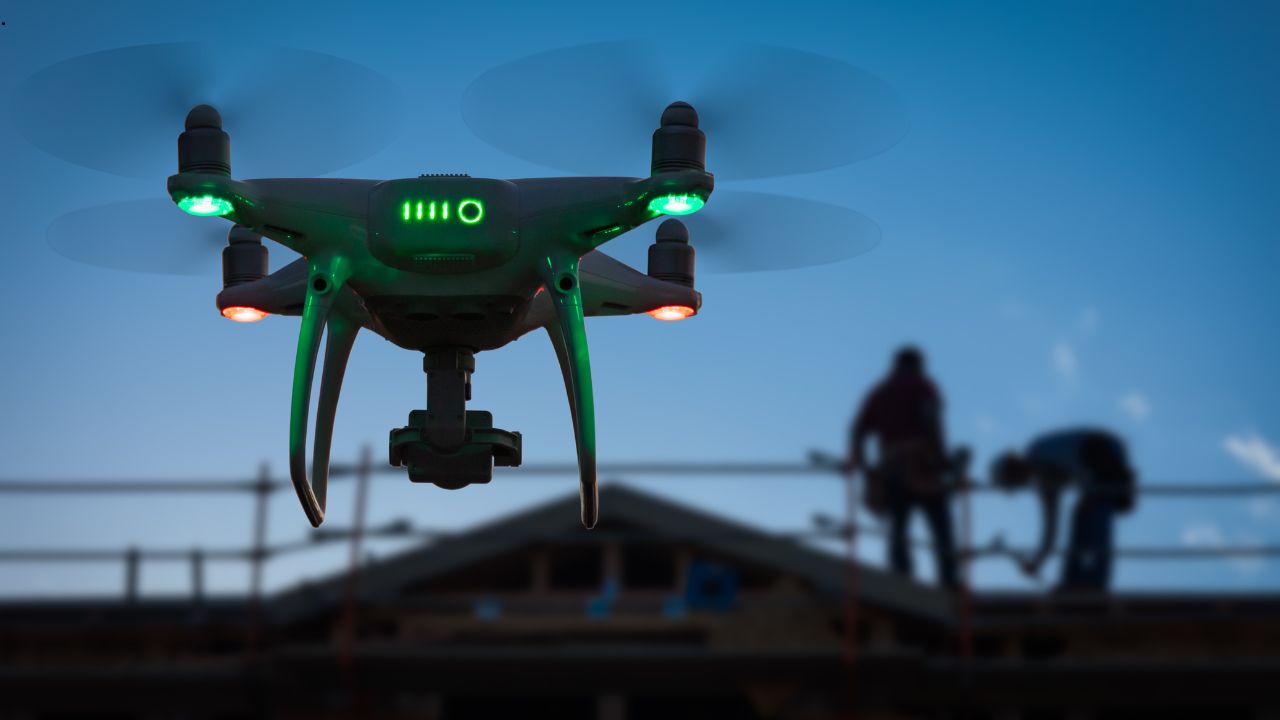
Modern infrastructure projects require accurate, efficient, and safe monitoring solutions to maintain operational reliability. Industries such as oil and gas, construction, utilities, mining, and transportation are increasingly adopting drone technology to streamline inspection processes. An autonomous drone inspection system provider plays a vital role in helping organizations monitor assets with higher precision while reducing risks and operational costs.
Traditional inspection methods often involve manual labor, scaffolding, helicopters, or shutdowns that can be expensive and dangerous. Autonomous drone systems transform infrastructure monitoring by automating inspections, collecting real-time data, and delivering actionable insights faster than conventional methods. From bridges and pipelines to refineries and power plants, drone-based monitoring solutions are reshaping the future of industrial asset management.
The Growing Need for Advanced Infrastructure Monitoring
Infrastructure assets are becoming larger, more complex, and geographically dispersed. Manual inspections can no longer keep up with the demand for frequent and detailed assessments. Companies need technologies that can improve efficiency while minimizing downtime and safety hazards.
An autonomous drone inspection system provider offers intelligent drone solutions powered by workflow automation that improve inspection accuracy and operational efficiency. These systems use advanced technologies such as AI, machine learning, GPS navigation, LiDAR, thermal imaging, and computer vision to capture accurate inspection data.
The growing adoption of drone inspection for oil and gas demonstrates how industries are prioritizing automation for operational excellence. Oil refineries, offshore platforms, pipelines, and storage tanks require regular inspections to prevent failures, leaks, and environmental risks. Autonomous drones can safely access hazardous or hard-to-reach locations without exposing workers to danger.
Enhanced Safety in High-Risk Environments
Safety is one of the biggest advantages offered by an autonomous drone inspection system provider. Traditional infrastructure inspections often require workers to climb tall structures, enter confined spaces, or operate in hazardous environments.
Drone technology significantly reduces these risks by replacing manual inspections with automated aerial surveys. Drones can inspect:
- Oil and gas pipelines
- Offshore platforms
- Power transmission lines
- Wind turbines
- Industrial chimneys
- Storage tanks
- Bridges and towers
In sectors using drone inspection for oil and gas, safety improvements are especially critical. Inspectors no longer need to enter dangerous zones where exposure to toxic gases, high temperatures, or explosive materials is possible. Autonomous drones can complete inspections while operators remain at a safe distance.
Faster and More Efficient Inspections
Time efficiency is another major benefit of using an autonomous drone inspection system provider. Traditional inspections may take days or even weeks to complete, especially for large infrastructure assets. Drone systems can perform the same tasks in a fraction of the time.
Autonomous drones follow pre-programmed flight paths and inspection schedules, ensuring consistent and repeatable data collection. This automation minimizes human error and speeds up the inspection process.
For example, drone inspection for oil and gas facilities can quickly identify corrosion, leaks, thermal anomalies, or structural damage without shutting down operations. Faster inspections help companies reduce downtime and maintain productivity.
Accurate Data Collection and Real-Time Insights
Modern drone inspection systems are equipped with advanced sensors and imaging technologies that capture highly detailed data. An autonomous drone inspection system provider can integrate various tools into the inspection workflow, including:
- High-resolution cameras
- Thermal imaging sensors
- LiDAR scanners
- Gas detection sensors
- AI-powered analytics software
These technologies allow organizations to identify defects early before they become major operational problems. Real-time data transmission also enables engineers and maintenance teams to make faster decisions.
In drone inspection for oil and gas, thermal imaging is commonly used to detect leaks, overheating equipment, or insulation issues. AI-powered analysis further improves inspection accuracy by automatically identifying anomalies and generating maintenance recommendations.
Reduced Operational Costs
Infrastructure inspections can be expensive when relying on manual methods. Costs associated with scaffolding, cranes, helicopters, shutdowns, and labor can quickly add up.
An autonomous drone inspection system provider helps businesses reduce these expenses by automating inspection workflows. Drone systems require fewer personnel, less equipment, and minimal operational disruption.
In industries adopting drone inspection for oil and gas, companies can significantly reduce maintenance costs while improving inspection frequency. Early detection of issues prevents costly repairs and minimizes the risk of catastrophic failures.
Additionally, drones can inspect remote or offshore assets without requiring large inspection teams or transportation logistics, leading to substantial long-term savings.
Improved Predictive Maintenance
Predictive maintenance is becoming essential for modern infrastructure management. Instead of waiting for equipment failures, companies now use inspection data to predict potential issues before they occur.
An autonomous drone inspection system provider enables predictive maintenance through continuous monitoring and AI-driven analytics. Drones can collect inspection data regularly and compare results over time to identify patterns of wear, corrosion, or structural degradation.
This capability is highly valuable in drone inspection for oil and gas, where even minor equipment failures can result in massive financial and environmental consequences. Predictive maintenance helps operators schedule repairs proactively, extending asset lifespan and improving operational reliability.
Access to Remote and Hard-to-Reach Areas
Certain infrastructure assets are located in difficult or hazardous environments that are challenging for human inspectors to access. Autonomous drones provide an effective solution for monitoring these areas safely and efficiently.
Drones can inspect:
- Offshore oil rigs
- Desert pipelines
- Mountain transmission towers
- Underground tunnels
- Large industrial complexes
An experienced autonomous drone inspection system provider designs systems capable of operating in extreme weather conditions and GPS-denied environments. These advanced capabilities ensure reliable inspections even in the most demanding industrial settings.
The growing demand for drone inspection for oil and gas highlights the importance of remote inspection technologies in maintaining critical energy infrastructure.
Supporting Environmental Compliance
Environmental monitoring is another important aspect of infrastructure management. Industries must comply with strict environmental regulations to avoid penalties and operational disruptions.
Autonomous drones help organizations monitor emissions, detect leaks, and assess environmental impact more effectively. In oil and gas operations, drones equipped with gas sensors can identify methane leaks quickly and accurately.
By partnering with an autonomous drone inspection system provider, companies can improve regulatory compliance while reducing environmental risks. Automated reporting and digital documentation also simplify audit and compliance processes.
The Future of Infrastructure Monitoring
The future of infrastructure monitoring is increasingly automated, data-driven, and intelligent. Advancements in AI, cloud computing, and autonomous navigation are making drone inspection systems even more powerful and efficient.
An autonomous drone inspection system provider is no longer just offering aerial imaging services. These providers now deliver complete infrastructure intelligence platforms that combine drones, analytics, automation, and predictive maintenance tools.
As industries continue embracing digital transformation, the demand for drone inspection for oil and gas and other industrial applications will continue to grow. Businesses that adopt autonomous inspection technologies today will gain a competitive advantage through improved safety, operational efficiency, and cost savings.
Conclusion
Infrastructure monitoring is evolving rapidly, and autonomous drone technology is at the center of this transformation. An autonomous drone inspection system provider enables organizations to inspect assets more safely, quickly, and accurately while reducing operational costs and improving maintenance planning.
From power plants and bridges to pipelines and refineries, autonomous drones are revolutionizing industrial inspections across multiple sectors. The increasing adoption of drone inspection for oil and gas further demonstrates the value of automation in enhancing safety, compliance, and operational performance.
As technology continues to advance, autonomous drone systems will become an essential component of modern infrastructure management strategies worldwide.