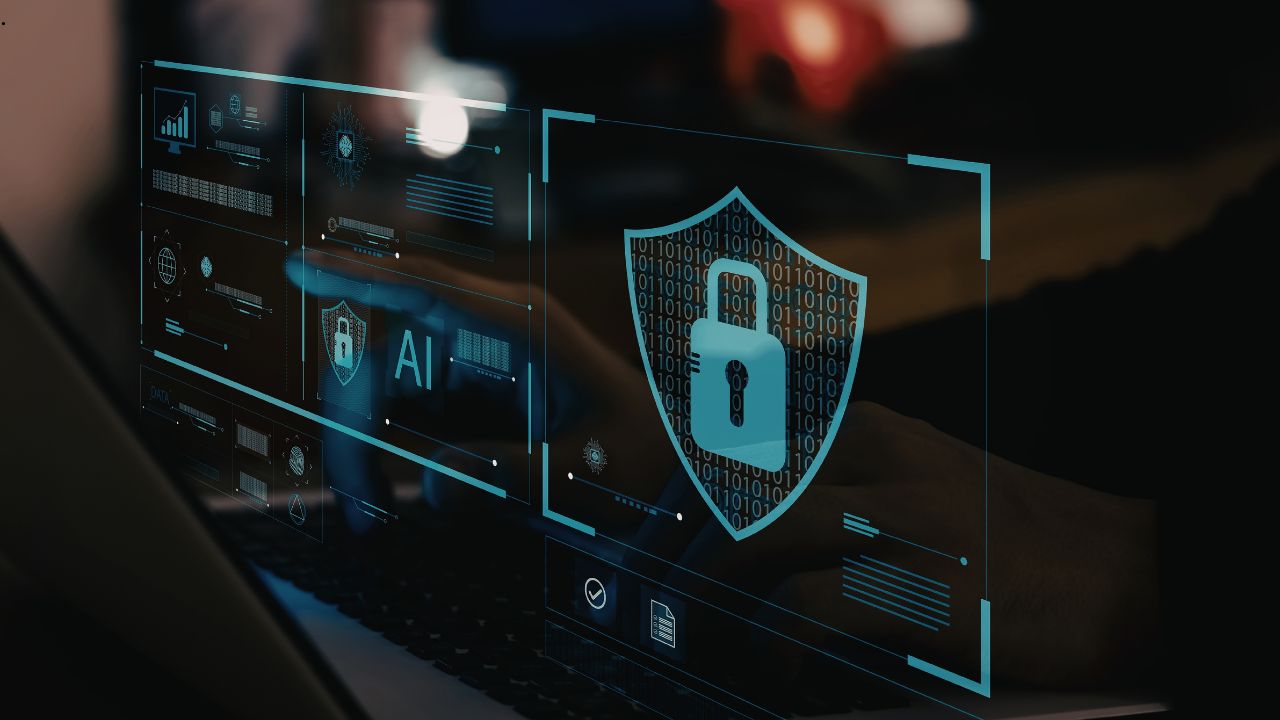
Cyber threats are growing faster than most businesses can handle on their own. Small companies, local government offices, and even critical infrastructure providers are getting hit harder than ever. The attacks are not slowing down. In fact, they are getting more targeted and more damaging each year. So, the real question is not whether you need cybersecurity. It is whether you have the right kind.
That is where managed cybersecurity solutions come in. Companies like Blueshift Cyber are stepping up to fill this gap. They offer AI-powered security services, including Managed Extended Detection and Response (XDR), backed by a 24/7 U.S.-based Security Operations Center (SOC). Their focus is on helping small-to-medium-sized businesses, government agencies, and critical infrastructure organizations detect threats early, respond quickly, and stay protected against the risks that keep evolving.
What Managed Cybersecurity Actually Means
Many people hear “managed cybersecurity” and think it just means hiring someone to watch their network. But it goes much deeper than that. A managed security service handles everything from threat monitoring to incident response. It also includes tools, reporting, and ongoing strategy to keep your defenses strong.
Here is what a good managed cybersecurity solution typically covers:
- 24/7 threat monitoring so nothing slips through at 2 a.m.
- Real-time alerts and response to stop an attack before it spreads
- Regular security assessments to find weak spots before attackers do
- Compliance support for industries with strict data protection rules
Most businesses do not have the budget or staff to do all of this in-house. That is why managed services have become such a practical option. You get expert-level protection without building an entire security team from scratch.
Why Threats Are Harder to Spot Today
Cybercriminals have gotten smarter. They no longer just send obvious phishing emails or plant easy-to-detect malware. Instead, they move slowly inside a network, hiding for days or even weeks before launching their real attack. This makes detection much harder without the right tools.
Furthermore, many businesses still rely on outdated security software. These older tools were not built for today’s threat landscape. They miss the newer attack methods that criminals are now using. So, even if a company thinks it is protected, it may have serious blind spots.
This is why using an application whitelisting tool has become so important. It blocks any software that is not pre-approved from running on your systems. As a result, even if malware gets in, it cannot execute. This simple concept has a big impact on stopping attacks before they cause real damage.
The Role of AI in Modern Security
Artificial intelligence has changed how cybersecurity works. In the past, security teams had to manually review alerts and logs. That process was slow. It also led to alert fatigue, where teams got so many notifications that they started ignoring them.
AI changes that. It can sort through millions of data points in seconds. It learns what normal looks like on your network. Then, it flags anything that does not fit. This means fewer false alarms and faster responses when something real comes up.
Blueshift Cyber uses this kind of AI-powered approach in their Managed XDR service. Their platform looks across endpoints, networks, cloud environments, and applications all at once. Because of that wider view, threats that would normally stay hidden get caught much faster.
How Small and Mid-Sized Businesses Benefit
Large corporations often have full security teams with dozens of specialists. But small and mid-sized businesses rarely have that luxury. They are often running lean teams where the IT person also handles everything from setting up printers to managing software updates. Security then becomes something that gets attention only after a problem shows up.
Here is why that approach is so risky:
- Small businesses are seen as easy targets because they tend to have weaker defenses
- A single breach can cost tens of thousands of dollars in recovery costs
- Downtime from a cyberattack can damage customer trust permanently
- Ransomware attacks on smaller companies have doubled in recent years
Managed cybersecurity levels the playing field. Smaller organizations can access the same quality of protection that big companies use, without needing a big company’s budget. Moreover, having experts watch your systems around the clock means your team can focus on running the business instead of worrying about security gaps.
Government Agencies and Critical Infrastructure Face Unique Risks
Government offices and critical infrastructure operators face a different kind of pressure. Their systems often run essential services. A breach does not just cause financial loss. It can affect public safety, disrupt utilities, or expose sensitive citizen data.
Additionally, these organizations are often targeted by sophisticated attackers, sometimes even state-sponsored groups. Traditional security tools are simply not enough against this level of threat. They need continuous monitoring, faster response times, and tools built to handle complex environments.
Using an application whitelisting tool in these settings is a strong first line of defense. When only approved programs are allowed to run, it removes a huge category of risk. Combined with a Managed XDR platform and a 24/7 SOC, these organizations get layered protection that actually keeps up with today’s threats.
What to Look for in a Managed Security Provider
Not all managed security providers are the same. Before signing with anyone, it is worth asking some direct questions to make sure you are getting real protection and not just a checkbox solution.
- Do they offer 24/7 coverage? Threats do not follow business hours.
- Where is their SOC located? A U.S.-based team can offer faster communication and better compliance alignment for domestic organizations.
- Do they use AI and automation? Manual-only approaches are too slow for today’s threats.
- Can they scale with your needs? Your security should grow as your business grows.
- Do they offer clear reporting? You should always know what is happening in your environment.
Blueshift Cyber checks all of these boxes. Their model is built around continuous protection using AI-driven tools, all supported by human analysts in their SOC who step in when it matters most.
Making the Move to Managed Security
Switching to a managed cybersecurity model does not have to be complicated. Most providers will start with an assessment of your current environment. They look at what tools you already have, where your biggest risks are, and what kind of compliance requirements you need to meet. From there, they build a plan that fits your situation.
The important thing is not to wait until after an incident. By then, the damage is already done. Recovery is always more expensive and more stressful than prevention.
Also, consider pairing your managed security service with an application whitelisting tool as part of your layered defense. Together, these two approaches cover a wide range of attack scenarios. One stops unauthorized programs from running. The other watches everything in real time and responds when something looks wrong.
Final Thoughts
Cybersecurity is not something you can set up once and forget. Threats change. Attackers adapt. So your protection needs to keep up. Managed cybersecurity solutions make that possible for organizations of all sizes.
Whether you run a small business, a local government office, or a piece of critical infrastructure, the risks are real. But so are the solutions. With the right managed security partner and tools like an application whitelisting tool in place, you can build a defense that actually holds up when it matters.
The time to act is now, before a problem forces your hand.