
The global international trade environment is evolving at an unprecedented pace. For mid-to-large enterprise importers, traditional procurement—which relies on offline trade shows, manual quote comparisons, and paper invoices—is no longer enough to maintain operational speed. Today, corporate buyers are turning toward digital B2B procurement ecosystems to manage high-volume sourcing with greater precision.
Domestic wholesale channels like 1688 and localized digital hubs have become central to cross-border supply chains. They give enterprise sourcing directors direct visibility into tier-one manufacturing capacity. However, effectively leveraging these digital platforms for large-scale operations requires a technology-driven strategy that seamlessly integrates verification, payment security, and freight consolidation.
The Impact of Digital B2B Ecosystems on Bulk Sourcing
Digital procurement platforms have completely changed how corporate buyers interact with primary manufacturing hubs. Instead of navigating multi-tier trading markups, enterprise procurement teams can interface directly with high-capacity production facilities.
Key operational advantages of digital B2B procurement include:
- Real-Time Price & Capacity Discovery: Enterprise teams can instantly evaluate tier-one manufacturer quotes and assess factory production capacities across thousands of verified vendors.
- Streamlined Order Customization: Large-scale buyers can manage custom tooling, OEM private labeling, and standardized packaging requirements directly through digital workflows.
- Enhanced Inventory Control: Real-time production tracking enables corporate buyers to forecast arrival timelines accurately and optimize total landed costs (TLC).
Overcoming Operational Bottlenecks in Large-Scale Imports
Despite the vast product catalogs available on domestic Chinese B2B platforms, international enterprise buyers often face complex operational friction. Domestic marketplaces like 1688 are structurally designed for local commerce, presenting foreign corporate entities with challenges in cross-border currency exchange, localized compliance, and container-level logistics management.
For instance, large-scale commercial transfers involve strict foreign exchange controls, bank wire regulations, and rigorous tax compliance that basic payment gateways cannot support. Furthermore, managing multi-factory consolidation across dozens of product lines requires physical warehouse management, pre-shipment quality assurance, and automated customs documentation before goods leave the port.
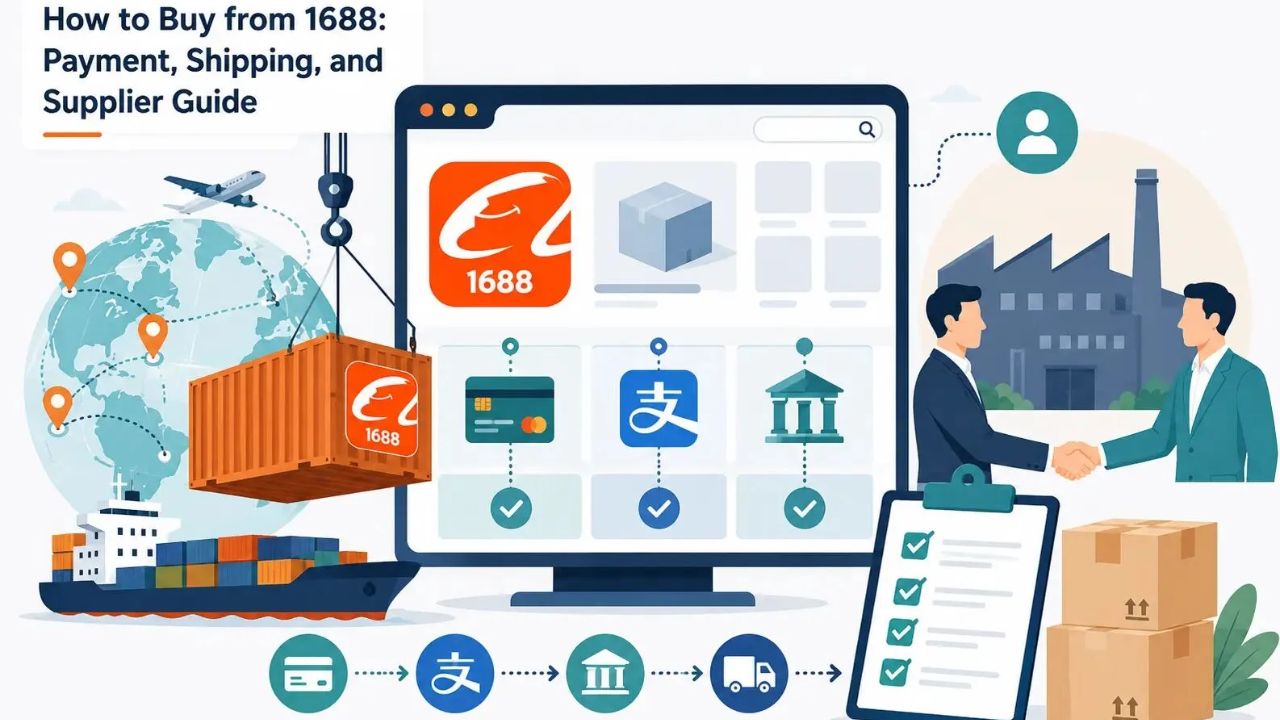
To navigate these enterprise-level operational hurdles smoothly, read this comprehensive 1688 payment and shipping guide to understand how corporate entities structure RMB transactions, warehouse consolidation, and export compliance.
Integrating Software Visibility with Physical Infrastructure
Digital platforms provide excellent market visibility, but large-scale supply chains cannot rely solely on software. Algorithms cannot conduct physical factory floor audits, inspect bulk production batches for quality compliance, or physically secure container loading at the port.
This is why major international importers adopt a hybrid sourcing framework. By combining online supplier discovery tools with trusted, on-the-ground management teams, corporations protect their working capital and eliminate supply chain disruptions before production even begins.
Strategic Steps for High-Volume Sourcing
To build a resilient and automated enterprise import pipeline, global procurement directors should implement a three-step digital framework:
- Centralized Compliance Database: Maintain a unified digital repository for supplier business licenses, ISO certifications, and factory audit reports.
- Bulk Freight Consolidation: Combine shipments from multiple manufacturing partners into full container loads (FCL) to optimize container space and cut ocean freight overhead.
- Escrow & Quality Control Integration: Tie financial milestone payments to automated third-party inspection reports to protect working capital.
Overseas buyers seeking to streamline their China supply chain often partner with a institutional digital Yiwu sourcing agent to centralize supplier vetting, automated quality inspections, and bulk freight forwarding under a single corporate umbrella.
Conclusion
Digital B2B platforms are redefining how large-scale enterprise trade functions. By utilizing direct factory channels and bridging the operational gaps in cross-border payments and logistics, global brands and wholesale importers can drastically shorten sourcing cycles and protect profit margins. Combining modern software visibility with reliable, localized physical management transforms your supply chain into an enterprise-grade competitive advantage.