
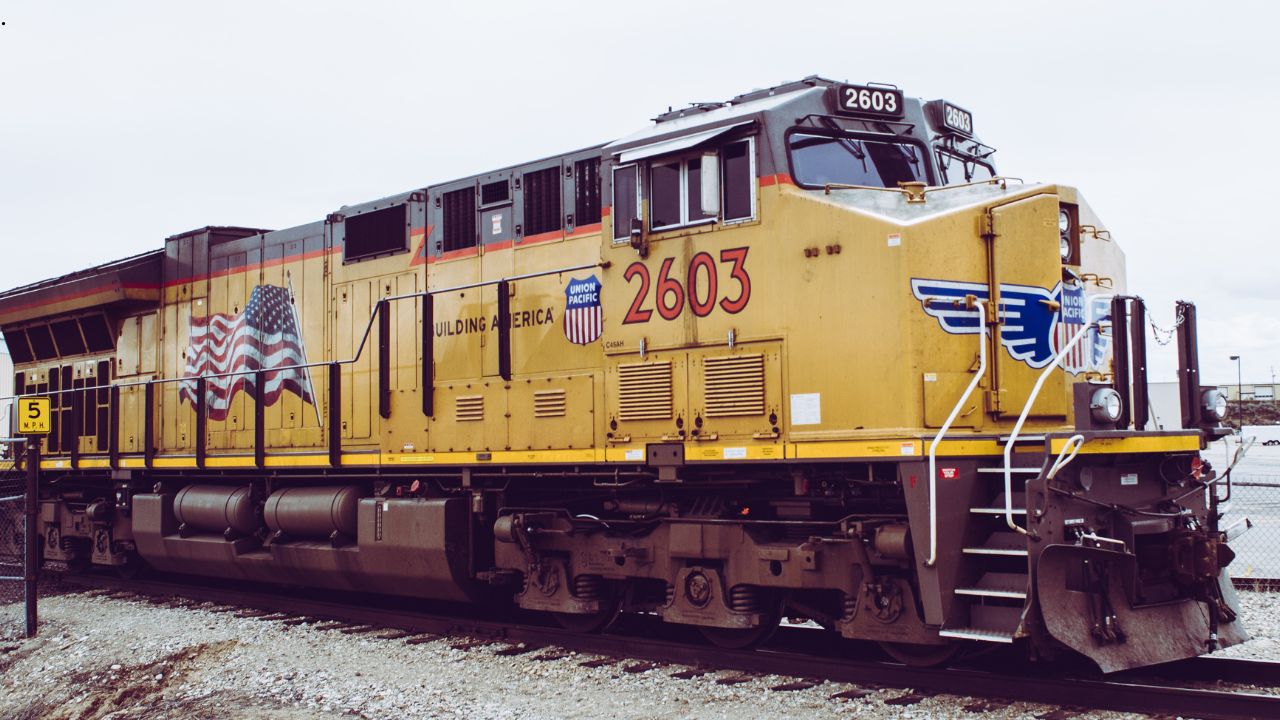
Train Horn Laws by State: What Every Driver Needs to Know
If you’re thinking about installing a train horn on your pickup truck, SUV, or Jeep, legality is the first question you need to answer. Federal law sets the baseline, but each state adds its own layer of rules — and the differences can be significant. This guide breaks down the key federal regulations and highlights what varies from state to state, so you can stay road-legal and avoid costly fines. For a comprehensive 50-state reference with citations to primary sources, visit train-horn.com.
Federal Baseline: 49 CFR Part 571
At the federal level, the National Highway Traffic Safety Administration (NHTSA) governs vehicle horns under Federal Motor Vehicle Safety Standard (FMVSS) No. 571.116. The standard requires that every motor vehicle be equipped with a horn capable of emitting sound at a minimum of 87 dB(A) at 50 feet. There is no federal upper limit on decibel output for aftermarket horns installed on private passenger vehicles — meaning a 150 dB train horn is not automatically illegal under federal law.
What federal law does regulate is the horn’s direction of sound emission and the requirement that the device be audible under normal driving conditions. The key takeaway: federal rules set a floor, not a ceiling.
State-Level Regulations: The Big Variables
Most states regulate vehicle horns under their motor vehicle codes, and the language typically covers three areas: decibel limits, “unnecessary use” prohibitions, and restrictions on air-powered or electric horns that “resemble” emergency vehicle signals. Here is how the landscape breaks down across major categories:
States with explicit decibel caps: California (Vehicle Code §27001) prohibits horns that emit sound “unnecessarily” and limits aftermarket horns to a reasonable standard, with case law generally interpreted at around 110 dB at 50 feet for street use. New York (VTL §375) similarly bans “unreasonably loud” horns but does not specify a hard dB number. Illinois (625 ILCS 5/12-601) references “adequate warning” without a decibel ceiling.
States with permissive frameworks: Texas (TTC §547.501), Florida (FS §316.271), and Arizona (ARS §28-938) require only that a horn be in good working condition and audible from a minimum distance — typically 200 feet. None of these states imposes an upper limit, making them among the most train-horn-friendly in the country.
States with “emergency sound” restrictions: Several states, including Michigan (MCL §257.706) and Ohio (ORC §4513.21), specifically prohibit horns that produce sounds “similar to those used by emergency vehicles.” Depending on the pitch and tone of your specific train horn model, this provision could apply — consult your state DMV before installation.
Key Rules That Apply in Almost Every State
Regardless of where you live, a few principles hold almost universally. First, using any horn unnecessarily — purely for amusement, in a parking lot, or to startle pedestrians — is illegal in all 50 states and can result in a noise ordinance citation or moving violation. Second, use within city limits or school zones is treated more strictly than use on open highways in virtually every jurisdiction. Third, a train horn that is wired to activate automatically (for example, tied to a vehicle alarm) raises separate issues under nuisance and alarm ordinances.
Installation Considerations That Affect Legality
How a horn is installed matters as much as what horn you choose. An air-powered train horn requires a compressor and air tank. The tank must be properly secured and vented — improperly mounted tanks can be cited under vehicle equipment laws in states like California and New York. Additionally, if your modification alters the factory horn circuit, some states require that the original horn remain functional and accessible as a backup.
Bottom Line
For most drivers in Texas, Florida, and Arizona, a properly installed train horn is entirely road-legal for standard highway use. In California, New York, and Michigan, the legal picture is more complicated, and we recommend reviewing your specific state vehicle code or consulting a traffic attorney before purchase. Always reserve a train horn blast for genuine safety situations — not just to turn heads at a stoplight.