
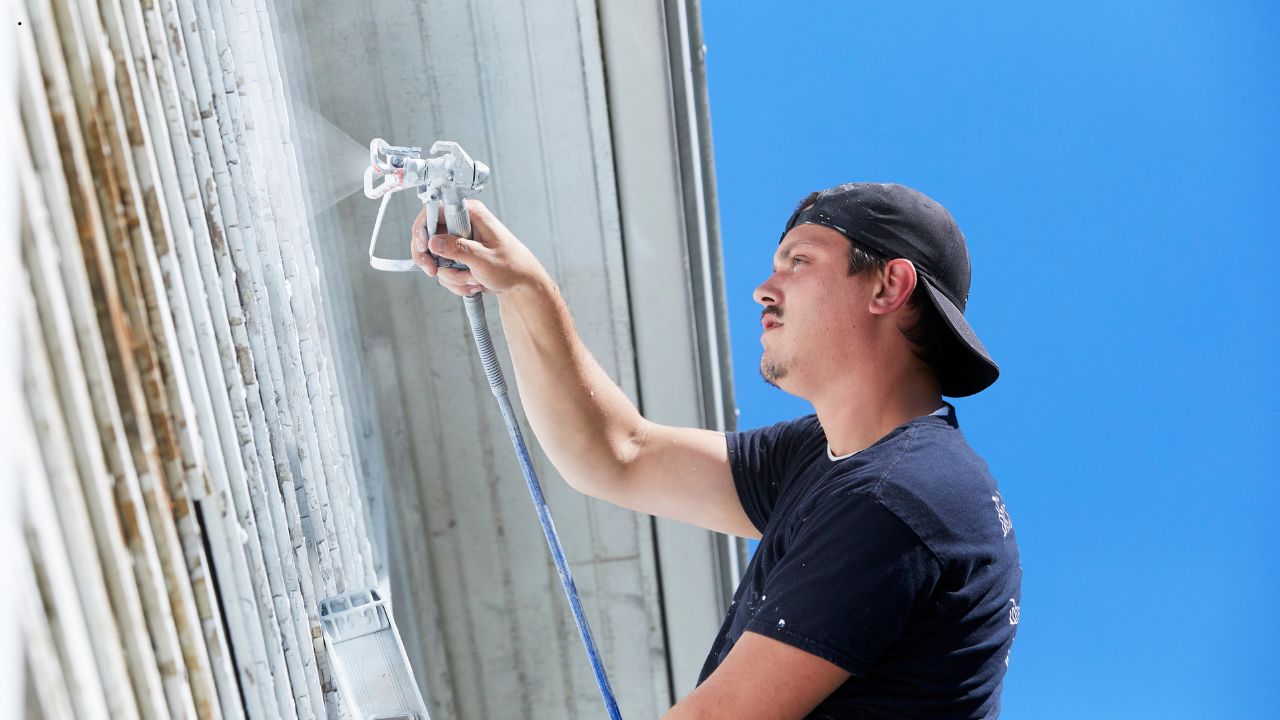
A freshly painted exterior can dramatically improve a home’s appearance, but curb appeal is only part of the equation. Exterior paint also serves as a protective layer between a house and years of sun, moisture, wind, dirt, and changing temperatures.
For homeowners in coastal areas, getting lasting results requires more than choosing an attractive color. Careful preparation, appropriate materials, and attention to local conditions all influence how well a painted surface performs over time.
Understand What the Exterior Is Up Against
Homes near the coast face environmental conditions that can be particularly demanding on painted surfaces. Strong sunlight can gradually fade certain colors and weaken coatings, while moisture can find its way into cracks, joints, and areas where old paint has started to fail.
Salt carried through coastal air can also contribute to surface buildup. Add everyday dirt, irrigation overspray, and seasonal weather changes, and it becomes clear why exterior painting should be approached as a protective home-maintenance project rather than a purely cosmetic upgrade.
Different parts of the same house may even weather at different rates. A wall receiving intense afternoon sunlight can age differently from a shaded section that stays damp longer after rain or morning condensation. Homeowners should therefore evaluate the entire exterior instead of assuming every surface requires identical treatment.
Preparation Is the Foundation of a Durable Finish
One of the most important parts of exterior painting happens before a finish coat is applied. Paint performs best when it can properly bond to a stable, clean, and appropriately prepared surface.
Preparation may include washing away accumulated grime, scraping loose paint, sanding rough transitions, filling cracks, repairing damaged areas, caulking gaps, and applying primer where needed. The exact process depends on the material and its current condition.
This is also the ideal time to identify problems that new paint could otherwise conceal temporarily. Damaged wood, deteriorating trim, cracked stucco, or failing caulk should generally be addressed before the final coating goes on.
A practical preparation sequence often includes:
- Inspecting siding, stucco, fascia, doors, trim, and other painted surfaces
- Cleaning dirt and surface contaminants
- Removing peeling or poorly adhered coatings
- Sanding appropriate areas to create a sound surface
- Repairing cracks, holes, deteriorated wood, or damaged trim
- Caulking joints and gaps where appropriate
- Priming exposed or repaired areas as required
- Allowing surfaces to dry sufficiently before painting
Skipping these steps may save time initially, but it can compromise the finished result. A high-quality coating cannot compensate for a weak or contaminated surface underneath it.
Choose Coatings With the Environment in Mind
Not every exterior coating is suited to every application. Homeowners should consider the surface being painted, the level of exposure, existing coatings, and the environmental conditions around the property.
This is especially relevant in Southern California communities where strong ultraviolet exposure can be a constant factor. Products intended for exterior use are formulated to handle environmental stresses better than interior coatings, but selecting the appropriate product within that category still matters.
Sheen can make a difference as well. Depending on the surface and desired appearance, different finishes can influence washability, visibility of imperfections, and overall aesthetics.
Color deserves practical consideration in addition to design preference. Some homeowners want a dramatic transformation, while others prefer a palette that complements roofing, masonry, landscaping, and neighboring architectural styles. Testing colors on the actual home can be useful because outdoor light can make a shade appear noticeably different from a small sample viewed indoors.
For homeowners considering professional help in Orange County, reviewing the services and project approach of Edwards Painting can also provide context for the preparation and coating considerations involved in residential painting.
Pay Attention to the Details That Affect the Finished Result
Large walls naturally attract most of the attention during an exterior project, but smaller architectural details can have an outsized impact on how polished the finished home looks.
Trim lines, fascia, doors, shutters, eaves, and transitions between materials all require precision. Clean edges can make contrasting colors look intentional, while inconsistent lines can remain noticeable even when the primary wall surfaces are otherwise well painted.
Protection of surrounding areas matters too. Windows, roofing, hardscaping, landscaping, fixtures, and other surfaces should be appropriately covered or protected during the project.
The same principle applies indoors. When painting interior spaces or refinishing cabinets, protecting floors, furniture, hardware, countertops, and adjacent surfaces is an essential part of professional-looking work.
Good painting is ultimately a combination of broad coverage and careful detail.
Maintain Painted Surfaces Instead of Waiting for Major Failure
A common mistake is treating exterior painting as a project that requires no attention until widespread peeling becomes visible. Periodic inspection can help homeowners identify small maintenance needs before they develop into larger problems.
Walk around the property occasionally and look closely at areas exposed to heavy sunlight or moisture. Pay particular attention to trim, horizontal surfaces, joints, and places where different building materials meet.
Signs worth investigating include cracking, peeling, bubbling, unusual discoloration, failed caulk, exposed substrate, or areas where water appears to be entering behind a surface.
Cleaning can also be helpful when appropriate for the particular coating and material. Removing dirt and buildup helps maintain appearance and makes it easier to spot developing problems.
The objective is not to keep exterior paint looking brand-new indefinitely. Weathering is unavoidable. Instead, routine observation allows homeowners to address localized deterioration before it spreads and requires more extensive preparation.
Think of Painting as Part of Overall Home Maintenance
A successful paint project should fit into a larger maintenance strategy. Painting often intersects with carpentry, drywall repair, stucco maintenance, pressure washing, and other forms of surface restoration.
That makes the planning stage valuable. Before selecting colors or scheduling work, homeowners can inspect the property and identify related repairs that should happen first. Completing work in the right order reduces the likelihood of repairing a newly painted area shortly after the project is finished.
Homeowners should also define the scope clearly when obtaining estimates. Knowing which surfaces are included, what preparation is planned, what materials will be used, and how repairs will be handled makes it easier to understand what a painting project actually involves.
Conclusion
Exterior painting can refresh a home’s appearance, but its greater value comes from combining aesthetics with protection. In coastal environments, where sunlight, moisture, airborne contaminants, and normal weathering continually affect exterior surfaces, the quality of the preparation matters just as much as the final color.
Homeowners can improve the likelihood of lasting results by inspecting surfaces carefully, completing necessary repairs, using appropriate coatings, protecting surrounding areas, and monitoring the exterior after the project is complete. Whether the work involves an entire exterior, a smaller interior update, or cabinet refinishing, the same principle applies: durable finishes begin with thoughtful preparation and attention to detail.