
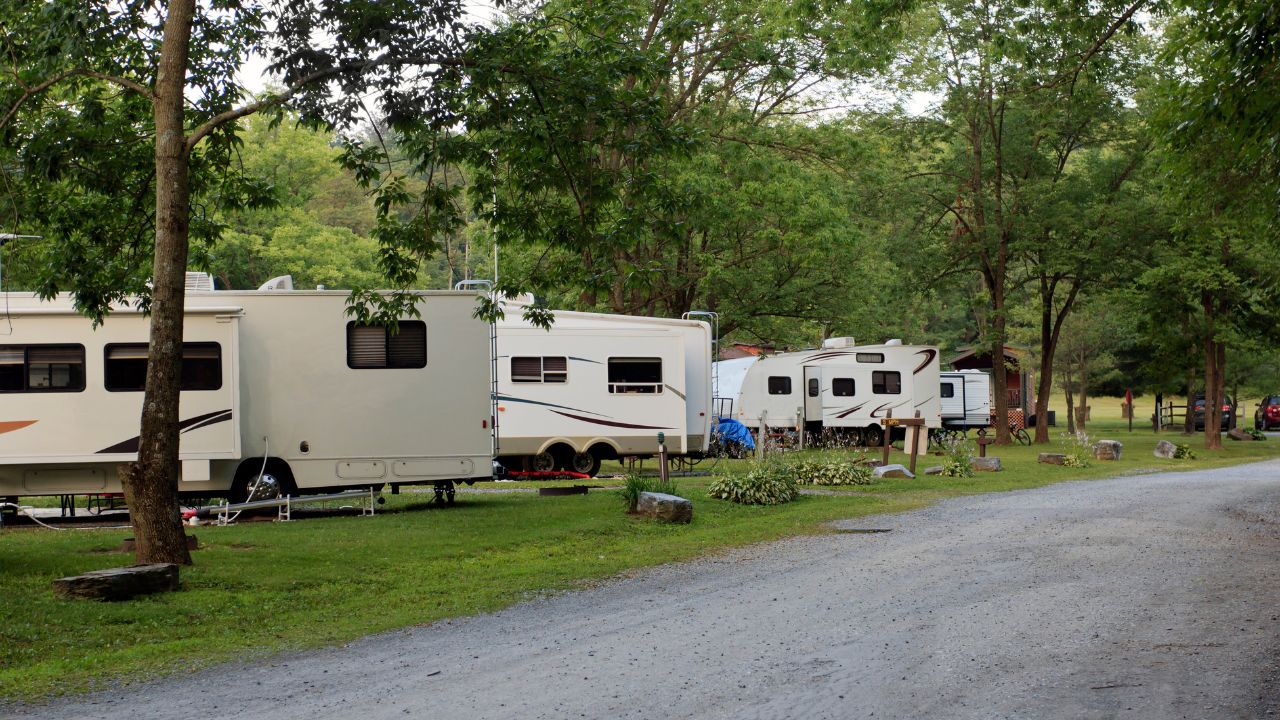
Central Texas has a lot to offer RV travelers, from quiet countryside and small-town attractions to lakes, hiking opportunities, and easy day trips to larger cities. But when a weekend getaway turns into a multi-week or monthly stay, choosing the right RV park becomes much more important.
An extended stay isn’t just about finding somewhere to park. The location, site setup, surroundings, amenities, and overall atmosphere can make the difference between simply having a place to sleep and having a comfortable home base for exploring the region.
Start With Location, but Look Beyond the Map
Location is usually one of the first considerations when choosing an RV park. In Central Texas, proximity to major highways can be particularly useful because attractions and communities are spread across a large area.
However, being close to a highway doesn’t necessarily mean travelers want to camp beside constant traffic and commercial activity. A more appealing setup can be a park that provides convenient highway access while still offering some separation from busy surroundings.
Hillsboro is a good example of why this balance matters. Its position near the I-35 corridor gives travelers access to several parts of Central Texas without requiring them to stay in a large metropolitan area. Waco, Lake Whitney, smaller communities, shopping areas, and numerous outdoor destinations can become practical day trips.
For extended stays, this type of location can also simplify everyday errands. Grocery stores, restaurants, fuel, and other essentials should be reasonably accessible even when the RV park itself has a quieter, more rural atmosphere.
Consider How Comfortable the Site Will Be After the First Few Days
A campsite that works perfectly for one night may become inconvenient after several weeks. Long-term RV travelers should evaluate potential sites from the perspective of everyday living rather than overnight camping.
Full hookups are an obvious priority for many extended stays. Electrical service that accommodates different RV configurations is also worth checking before arrival.
Space matters as well. A roomy site gives guests more flexibility to arrange outdoor chairs, manage pets, and simply avoid feeling crowded by neighboring RVs. Shade can make outdoor areas considerably more enjoyable during warmer Texas weather.
Before choosing an extended-stay park, consider:
- Whether full hookups are available
- The size and accessibility of RV sites
- Availability of 30- or 50-amp electrical service
- Shade and surrounding vegetation
- Laundry and restroom facilities
- Internet availability
- Areas for walking and outdoor recreation
- Policies for pets and longer stays
None of these features seems particularly unusual on its own. Together, however, they have a major impact on what day-to-day RV living feels like.
Look for Amenities You Will Actually Use
RV parks sometimes advertise long lists of amenities, but the number of amenities is less important than their usefulness.
For a short overnight stop, travelers may need little beyond utilities and a safe place to park. Someone staying for a month has different priorities.
Walking areas, for example, become much more valuable when they are available every morning and evening. Laundry facilities reduce the need for frequent trips into town. Reliable Wi-Fi can be important for remote workers, full-time travelers, and anyone who wants to keep up with ordinary online tasks.
Families may place greater value on a playground and open areas where children can spend time outside. Travelers with pets will likely appreciate space for regular walks.
Recreational amenities can also improve an extended stay without requiring elaborate entertainment. A pond, trails, picnic areas, or shady outdoor spaces provide simple ways to relax without leaving the property.
That can be especially appealing on days when sightseeing isn’t on the agenda.
Make the RV Park Your Base for Exploring the Region
One advantage of staying in Central Texas for more than a few days is that there is no need to rush through every attraction.
Instead of moving the RV every day or two, travelers can establish a comfortable base and explore the surrounding region through individual day trips.
The Hillsboro area is well positioned for this style of travel. Visitors can spend one day enjoying outdoor recreation around Lake Whitney and another exploring Waco. Smaller towns throughout the region provide opportunities for antique shopping, local restaurants, historic districts, and leisurely drives.
A centrally located park also makes it easier to alternate active sightseeing days with quieter days at the campsite.
Travelers researching a home base in this part of Texas may want to look at Pecan Creek RV Park as an example of a property combining full-hookup RV sites with a more spacious, nature-oriented environment near Hillsboro.
This type of arrangement can be particularly useful for travelers who want regional accessibility without making a busy urban campground their everyday surroundings.
Think About the Atmosphere of the Park
Amenities are easy to compare on a checklist. Atmosphere is harder to measure, yet it can become one of the most important considerations during an extended stay.
Some travelers enjoy large resort-style RV properties with scheduled activities and extensive facilities. Others prefer smaller, quieter settings where they can spend time outdoors, meet neighboring travelers naturally, and enjoy a slower pace.
Neither approach is inherently better. The key is choosing an environment that fits the purpose of the trip.
Someone working remotely may prioritize quiet surroundings and dependable connectivity. Retired travelers might prefer a relaxed community where longer stays are common. Families may focus on outdoor space and activities for children. Travelers using their RV as a base for sightseeing may care most about highway access and the ability to leave and return easily.
Reading park policies before booking can provide additional clues about the environment. Rules concerning pets, vehicles, guests, quiet hours, and site maintenance often reveal what type of experience the property is designed to provide.
Plan an Extended Stay Around Everyday Life
One of the pleasures of longer RV travel is having time to experience a destination rather than simply passing through it.
Instead of treating every day like a vacation itinerary, extended-stay travelers can develop a comfortable routine. Mornings might begin with a walk around the property, followed by remote work or errands. Afternoons can be reserved for exploring nearby communities, while evenings can be spent relaxing outside the RV.
This slower approach also leaves room for spontaneous discoveries. A local restaurant, scenic road, small-town festival, fishing spot, or antique store can become part of the trip without competing against an overloaded schedule.
It is worth remembering that longer stays involve practical needs as well. Before committing to several weeks or months, travelers should consider access to groceries, fuel, maintenance services, healthcare facilities, package delivery options, and other everyday necessities.
The ideal park provides enough separation to feel like a retreat while keeping these practical resources within a manageable distance.
Conclusion
Choosing an RV park for an extended Central Texas stay requires a different mindset from choosing an overnight campground. Travelers should consider the entire experience: location, site comfort, utilities, outdoor space, useful amenities, nearby attractions, and the atmosphere they will encounter every day.
A well-chosen home base can reduce the amount of time spent relocating and give travelers more freedom to explore at their own pace. It can also turn ordinary days between sightseeing trips into enjoyable parts of the journey.
Central Texas is particularly well suited to this style of RV travel because small towns, outdoor recreation, major highways, and larger destinations are all within reach. By focusing on practical comfort as much as geographic convenience, RV travelers can create a stay that feels less like a stop along the road and more like a temporary home.