
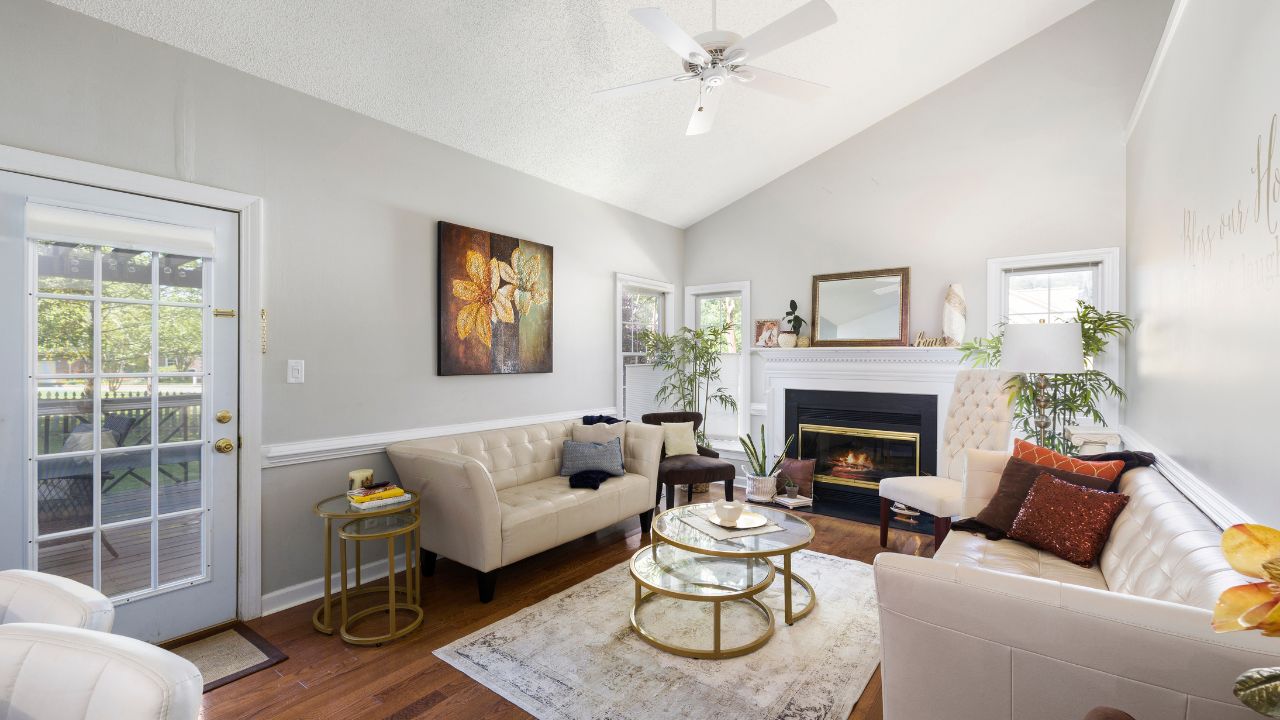
Luxury home design is about more than impressive square footage, premium finishes, or dramatic architecture. The most successful custom homes respond to the way their owners actually live while taking advantage of the opportunities presented by their surroundings. In Arizona, that means creating spaces that embrace natural light, desert views, indoor-outdoor living, and materials that feel appropriate to the landscape.
For homeowners planning a custom build or substantial renovation, thinking about lifestyle before individual design features can lead to a home that remains comfortable, functional, and visually appealing for years.
Start With the Way the Home Will Be Used
One of the advantages of building or extensively remodeling a home is the ability to move beyond a standard floor plan. Instead of adapting daily routines to an existing layout, homeowners can create spaces around their habits and priorities.
The planning process should therefore begin with practical questions. How frequently will guests stay overnight? Is entertaining usually formal or casual? Does someone work from home? Will the kitchen primarily serve everyday family meals, large gatherings, or both?
These considerations influence everything from room placement to storage.
For example, homeowners who entertain frequently may benefit from an open kitchen and living area connected directly to an outdoor entertaining space. Someone who regularly works remotely might prefer a private office positioned away from the home’s busiest rooms. A household that frequently hosts extended family could prioritize a separate guest suite rather than simply adding another bedroom.
Luxury is often found in these thoughtful details. A home feels genuinely customized when the architecture makes everyday routines easier.
Make Indoor-Outdoor Living Part of the Floor Plan
Arizona offers significant opportunities for outdoor living, particularly when exterior spaces are considered from the earliest stages of design.
Instead of treating a patio as an addition to the house, designers can approach exterior areas as extensions of the interior. Large openings between living spaces and covered patios can create visual continuity, while complementary flooring, finishes, and furnishings help both areas feel connected.
Useful outdoor features may include:
- Covered dining and conversation areas
- Outdoor kitchens and grilling stations
- Fire features for cooler evenings
- Swimming pools and integrated spas
- Shaded lounge spaces
- Landscape lighting
- Retractable or oversized doors connecting interior rooms with patios
- Strategically positioned seating for mountain, sunset, or desert views
Shade deserves particular attention. A beautiful outdoor area that becomes uncomfortable during warmer parts of the day will naturally receive less use. Rooflines, covered patios, orientation, landscaping, and other design choices can help create exterior rooms that are practical as well as attractive.
Let the Desert Influence the Design
A luxury home does not have to imitate its surroundings, but acknowledging the local environment can create a stronger sense of place.
Scottsdale and the surrounding region provide a distinctive visual palette. Desert earth, stone, mountains, native vegetation, and intense sunlight can all influence architectural decisions without restricting homeowners to a single aesthetic.
Contemporary homes, transitional residences, and properties with Southwestern influences can all feel appropriate when materials and proportions are carefully selected.
Natural stone, warm wood, textured surfaces, metal details, and restrained color palettes can connect interiors with the landscape. At the same time, large windows can frame exterior views almost like artwork.
This relationship between architecture and location is one reason local design knowledge can matter. Firms such as Carmel Homes Design Group work in Scottsdale and surrounding Arizona communities where homeowners often need to balance distinctive architecture with the realities of desert living.
The objective should not simply be to follow regional trends. A better goal is creating a home that feels personal while still belonging naturally in its setting.
Focus on Flow Rather Than Individual Rooms
It is easy to design a house one room at a time. The kitchen gets one set of decisions, the living room another, and bedrooms are addressed separately. But luxury homes tend to feel more cohesive when the entire property is considered as one experience.
Sightlines are particularly important.
Standing in the entryway, what does a visitor see? From the kitchen, is there a connection to the backyard? Do hallways terminate at blank walls, or could they frame artwork, landscaping, or architectural features?
Movement matters as much as appearance. Everyday pathways between the garage, pantry, kitchen, laundry room, bedrooms, and outdoor spaces should be convenient and intuitive.
Create Visual Consistency
Consistency does not require every room to look identical. Instead, certain materials, colors, architectural details, or proportions can appear throughout the house to establish a common visual language.
A particular wood finish might appear in cabinetry, ceiling details, and built-ins. Stone used on an exterior wall might reappear around an interior fireplace. Similar metal finishes can connect lighting, hardware, and plumbing fixtures.
Repeating selected elements creates continuity without making the design predictable.
Invest in Details That Improve Daily Life
Some of the most valuable custom-home features are not immediately noticeable in photographs. They reveal themselves through everyday use.
Storage is a good example. Carefully planned cabinetry can reduce countertop clutter and provide dedicated places for appliances, serving pieces, electronics, linens, and household supplies. A thoughtfully designed pantry can improve how the kitchen functions without becoming the visual focus of the room.
Lighting deserves similar attention. A room should rarely depend on one source of illumination. Combining ambient, task, accent, and decorative lighting allows the atmosphere to change throughout the day.
Other details worth considering include acoustics, charging locations, smart-home controls, temperature zones, durable flooring, convenient access to outdoor areas, and flexible rooms that can evolve as household needs change.
These decisions may not be as dramatic as choosing a statement fireplace or a large kitchen island, but they often determine how enjoyable a home is to live in.
Think Beyond Today’s Design Trends
Custom homes represent a significant long-term commitment, so designing entirely around current trends can create problems later.
That does not mean avoiding contemporary ideas. Instead, homeowners can distinguish between permanent architectural choices and elements that are relatively easy to update.
Floor plans, window placement, ceiling heights, major cabinetry, exterior materials, and structural features deserve especially careful consideration because changing them later can be difficult. Paint colors, decorative lighting, furniture, hardware, and accessories offer easier opportunities to experiment.
A balanced approach allows a home to feel current without depending on short-lived trends.
Timelessness also comes from proportion and craftsmanship. Well-proportioned rooms, carefully aligned architectural elements, quality materials, and thoughtful transitions between spaces can remain appealing even as decorating preferences change.
Conclusion
Designing a luxury home in Arizona is ultimately an exercise in combining personality, architecture, and place. The strongest projects consider how people will move through the home, where they will gather, how interior spaces connect with the outdoors, and which details will make everyday life more convenient.
Rather than assembling a collection of expensive features, homeowners can focus on creating a cohesive environment in which every major decision has a purpose. Regional experience, including the type of custom design and building work associated with Carmel Homes Design Group, can provide useful context when considering how architecture responds to Scottsdale’s distinctive lifestyle and desert setting.
When lifestyle planning, site considerations, craftsmanship, and long-term functionality guide the process, a custom home can become more than a visually impressive property. It can become a highly personal space designed around the people who live there.