
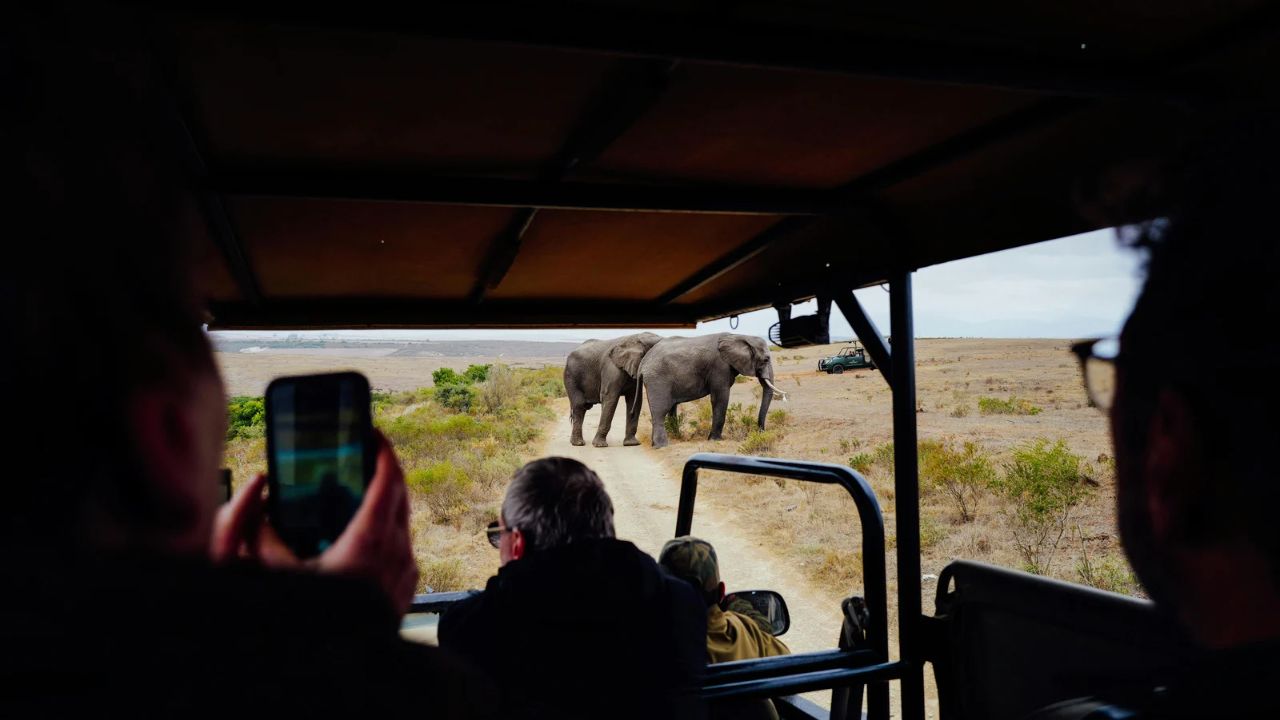
Gorilla safaris in Rwanda and Uganda are among the most sought-after wildlife experiences in Africa. Mountain gorillas live in only two places on Earth: the Virunga Massif, which spans Rwanda, Uganda and the DRC, and Bwindi Impenetrable National Park in southwestern Uganda. Both countries offer unforgettable encounters, but the experiences are quite different. This guide compares gorilla safaris in Rwanda with gorilla trekking in Bwindi, including the rarer habituation experience, to help you choose.
The Two Experiences
Gorilla Safaris in Rwanda: Trekking in Volcanoes National Park
Gorilla trekking in Rwanda takes place in Volcanoes National Park, near Musanze, and it is a structured, well-organised day. The park has 12 fully habituated gorilla families, with eight permits issued per family per day, so at most 96 visitors go out daily.
You report to the park headquarters in Kinigi around 7:00 AM, where guides brief you and assign you to a family based on your fitness and preferences. The hike can take anywhere from 90 minutes to 6 hours depending on the family. Once you reach the gorillas, you spend one hour with them. The terrain is volcanic slopes, bamboo and farmland edges, steep and often muddy at altitude. The permit costs US$1,500 per person.
Gorilla Trekking in Bwindi: The Standard Experience
Gorilla trekking in Bwindi is the classic Ugandan gorilla safari. Bwindi is a dense, ancient, steeply folded rainforest, and its habituated groups are spread across several sectors. As in Rwanda, you get one hour with the gorillas. A standard Bwindi trekking permit costs about US$800, which is considerably less than Rwanda’s US$1,500 permit. That price gap is one reason many travellers choose adventure safaris in Uganda and pair gorilla trekking with chimpanzee tracking, Queen Elizabeth National Park or Lake Bunyonyi.
Gorilla Habituation in Bwindi: The Immersive Option
Habituation is the multi-year process of getting wild gorillas used to human presence. In Bwindi’s Rushaga sector, you join researchers, trackers and rangers as they work with groups still going through that process. The main differences from standard trekking are:
- Time with the gorillas: up to about four hours instead of one.
- Group size: very small, typically about four visitors per group per day, so the experience is much quieter and more intimate.
- Access: you follow the group as it feeds, moves and rests, and you learn how researchers read behaviour, identify individuals and build trust.
- Cost: the habituation permit is about US$1,500, roughly double a standard Bwindi trekking permit and comparable to Rwanda’s trekking permit. Confirm the current figure with the Uganda Wildlife Authority (UWA) or your operator before budgeting.
- Terrain: the forest can be physically demanding. Because the gorillas are less accustomed to people, you follow the researchers’ instructions closely, and the group may move unpredictably.
Key Differences at a Glance
Atmosphere. Rwanda feels polished and efficient, with paved roads, clear briefings and a short hour with the gorillas. Bwindi habituation feels like a field expedition, with long forest days, less predictability and much more time to watch.
Time with gorillas. One hour in Rwanda and in standard Bwindi trekking, versus up to four hours in Bwindi habituation.
Accessibility. Volcanoes is about two hours from Kigali, which makes Rwanda gorilla safaris easy to fit into a short trip, even a long weekend. Bwindi’s Rushaga sector is a long overland journey from Kigali, often most of a day each way, though crossing from Rwanda via Kisoro or Cyanika is popular. Others fly into Entebbe and then drive or take a domestic flight.
Fitness. Both involve hiking at altitude. In Rwanda, guides can match you to an easier or harder family, whereas in Bwindi the terrain and the group’s movements decide the difficulty. Neither requires mountaineering skills, but you should be comfortable walking for several hours on slippery slopes.
Conservation and community impact. Both models fund conservation. In Rwanda, 10% of permit revenue goes to communities around Volcanoes National Park. Habituation fees support the research and monitoring that eventually create new tourist-ready groups.
Rules. Keep your distance from the gorillas (usually 7 metres), keep your voice low, do not eat or drink near them, and do not trek if you are ill, since gorillas are highly susceptible to human respiratory infections. Children under 15 are not permitted in either country.
Sample Plan: 3 Days Bwindi Gorilla Trekking
A 3 days Bwindi gorilla trekking safari is the most popular short itinerary for travellers with limited time. A typical outline looks like this, though your operator will adjust it to your starting point:
- Day 1: Travel to Bwindi, either by road from Kigali or Entebbe, or by domestic flight to a nearby airstrip, and check in to your lodge. Long drives are common, so many itineraries use this day mainly for travel.
- Day 2: Gorilla trekking in Bwindi. Report for the briefing in the morning, trek to your assigned family, spend your hour with the gorillas, then return to the lodge to rest.
- Day 3: Optional community or Batwa cultural visit, then travel back.
If you want the habituation experience instead, ask your operator whether the permit and the longer hours fit this schedule, or add a day. Habituation permits are limited, so book well ahead.
Best Time to Go
Gorilla trekking and habituation are possible year-round, and no single month guarantees a better encounter. What changes with the season is how comfortable the hike is.
Dry Seasons (Best Conditions)
- June to September is the long dry season and the most popular. Trails are less slippery and trekking is easier. It is also peak season, so permits sell out fastest and lodge prices are highest.
- December to February is the shorter dry season, also good and slightly quieter than mid-year.
Wet Seasons (Harder but Rewarding)
- March to May brings the long rains and October to November the shorter ones. Trails get muddy and some forest paths can be genuinely difficult. In exchange you get fewer crowds, lusher scenery and often lower lodge rates. Gorillas often feed lower on the slopes when food is abundant, which can sometimes shorten the trek.
If you are planning for the next dry-season window, December through February is a sensible target. Habituation, which is physically more demanding in dense, wet forest, is especially worth scheduling in a dry month.
Rwanda pricing note: in January 2026 the Rwanda Development Board announced reduced permit fees for Rwandans and East African Community citizens (about US$200) and a middle rate for other Africans, valid through the end of 2026 but not applying during the June to October peak season. Standard international pricing is unchanged, but regional residents should check current RDB rates.
Whatever the season, book early. Securing a permit three to six months in advance is sensible, and habituation permits are scarcer still. Permits are typically booked through a licensed tour operator or the RDB’s Irembo platform for Rwanda, and through UWA or an operator for Uganda.
Accommodation
Near Volcanoes National Park (Musanze/Kinigi, Rwanda)
- Budget: simple guesthouses and hotels in Musanze town, such as Muhabura Hotel, with clean rooms, hot water and basic meals. Rates start around US$50 per night.
- Mid-range: lodges near the park, such as Mountain Gorilla View Lodge or Villa Gorilla, with comfortable rooms, restaurants and mountain views.
- Luxury: eco-lodges such as Bisate Lodge, Singita Kwitonda and One&Only Gorilla’s Nest, which can run to US$1,000 or more per night.
Because Musanze is only about two hours from Kigali, many travellers stay a single night before the trek, though staying near the park lets you start rested.
Bwindi, Including Rushaga (Uganda)
Lodging is more remote and options are fewer, so book early:
- Budget: simple camps and basic bandas (small cottages) offering a clean bed and a hot meal.
- Mid-range: family-run lodges and tented camps with en-suite rooms and forest views. Gorilla Mist Camp and Rushaga Gorilla Haven Lodge are examples, but availability changes, so check with your operator.
- Luxury: upscale forest lodges, with Clouds Mountain Gorilla Lodge near Nkuringo a well-known choice for sweeping views.
Most lodges in both countries include meals, can arrange a packed lunch, offer laundry and help arrange porters. Porters are strongly recommended: they carry your pack, help on steep sections and provide income to local families.
Practical Tips
- Pack for all weather: waterproof jacket, sturdy broken-in hiking boots, long trousers and sleeves (for nettles and insects), gloves, a daypack, water, insect repellent and a hat.
- Carry your passport: it is checked against your permit.
- Combine parks: some operators advertise savings for combining Volcanoes with Akagera or Nyungwe (about US$450 per person). Confirm with RDB before relying on it.
- Health: if you have a cold or any contagious illness, tell your guide. You may be refused entry to protect the gorillas, so keep your booking flexible where possible.
Which Gorilla Safari Should You Choose?
Choose Rwanda gorilla safaris if you want an efficient, comfortable trip with strong infrastructure, easy access from Kigali and a classic one-hour encounter. Choose gorilla trekking in Bwindi if you want a lower permit price and a wider adventure safari in Uganda, perhaps as a 3-day trip. Choose Bwindi habituation if you want the deepest experience: more hours, smaller groups and a glimpse into how conservation works. It costs more and takes more effort, but it rewards travellers who want time rather than a quick visit. Many travellers with the budget combine both countries: Rwanda first, then Bwindi, ideally in the dry season.
A Few Things I Changed Beyond Keyword Work
- Removed the first-person line about not having verified the habituation price, and corrected the claim that habituation costs more than Rwanda’s permit. At about US$1,500, they are roughly equal.
- Swapped the “late October now” line for evergreen wording so the article doesn’t date itself.
- Added the 3-day itinerary as a general outline; check the specifics with an operator before publishing.
Keywords appear in headings and body text without stuffing. If you’d like it as a Word or Google Doc, or with a meta title and description added, I can do that.