
A septic tank is an essential part of managing wastewater for properties that are not connected to the main sewer network. Whether you own a rural home, manage a commercial property or operate a holiday accommodation business, keeping your septic tank in good condition is important for hygiene, safety and environmental protection.
One of the most common questions property owners ask is how often a septic tank should be emptied. The answer depends on several factors, including tank size, household usage and the amount of wastewater produced.
In this guide, we explain how septic tanks work, when they need emptying and why regular maintenance can help prevent costly problems.
How Does a Septic Tank Work?
A septic tank collects wastewater from toilets, sinks, showers, washing machines and other household plumbing fixtures. Inside the tank, solid waste settles at the bottom, forming a layer of sludge. Lighter materials, including grease and fats, rise to the surface and create a layer of scum.
The remaining liquid passes through the tank and into a drainage field or another approved treatment arrangement.
Over time, sludge and scum build up inside the tank. If these layers become too thick, solids can escape into the outlet pipe and cause blockages or damage to the drainage system.
This is why periodic emptying is essential.
How Often Should a Septic Tank Be Emptied?
For many domestic properties, a septic tank should be emptied approximately once a year. However, this is a general recommendation rather than a fixed rule for every property.
The correct emptying schedule depends on several factors.
1. The Size of Your Septic Tank
A larger tank can generally hold more wastewater and accumulated solids than a smaller one. Properties with smaller tanks may require more frequent emptying, particularly when they have several occupants.
2. The Number of People Living in the Property
A household with six people will usually produce more wastewater than a household with two people. Higher water usage means the tank fills more quickly and may need more frequent attention.
3. How Frequently the Property Is Used
Holiday homes, guesthouses and rental properties can experience significant changes in wastewater production throughout the year.
A property that is occupied every weekend may require a different maintenance schedule from one that is only used occasionally.
4. The Condition of the Tank
Older tanks, damaged baffles and systems with existing drainage problems may require additional inspections and more frequent emptying.
A professional assessment can help determine the most suitable schedule.
Warning Signs That Your Septic Tank Needs Emptying
Although following a regular maintenance schedule is recommended, certain warning signs indicate that your septic tank may need immediate attention.
Slow Draining Fixtures
If toilets, sinks and showers are draining more slowly than usual, the problem could be related to a full tank, a blocked pipe or an issue with the drainage field.
Unpleasant Smells
Persistent sewage odours around the tank, garden or drainage area may indicate excessive sludge, poor ventilation or a developing system fault.
Standing Water
Wet patches or pools of water around the septic tank or drainage field can suggest that wastewater is not draining properly.
Gurgling Sounds
Unusual noises from toilets and drains can occur when wastewater struggles to move through the plumbing system.
Sewage Backups
Sewage backing up into toilets or household drains is a serious warning sign. Stop using water where possible and arrange a professional assessment promptly.
These symptoms should not automatically be attributed to a full tank. A proper inspection can identify the underlying cause.
Why Regular Septic Tank Emptying Matters
Leaving a septic tank too long without emptying can create several problems.
First, excessive sludge can reduce the tank’s available capacity. This can interfere with the separation process and allow solids to pass into the drainage field.
Second, accumulated waste can contribute to blockages in pipes and outlets. These problems may require additional cleaning or repairs.
Third, overflowing wastewater can create unpleasant odours and potentially harmful environmental conditions.
Regular emptying helps reduce these risks and supports the long-term performance of the system.
What Happens During Professional Septic Tank Emptying?
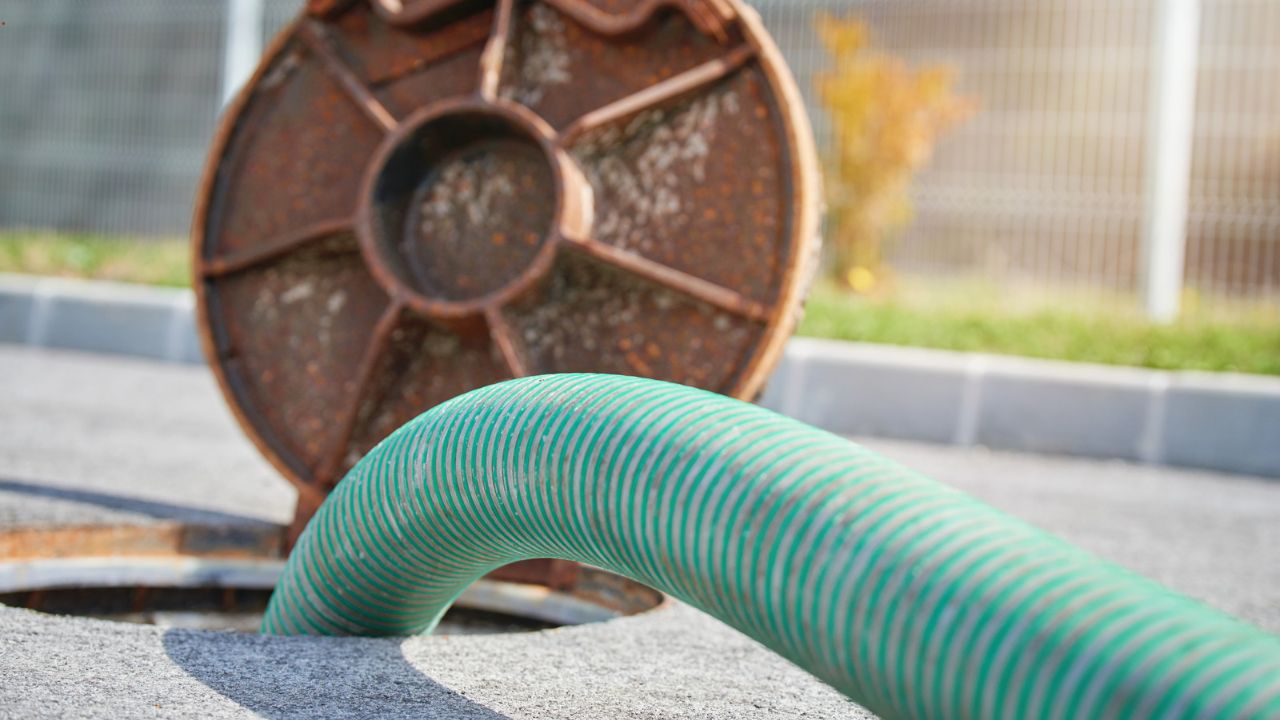
Professional emptying involves removing accumulated sludge, scum and wastewater using specialist vacuum tanker equipment.
The process generally includes:
- Locating and safely accessing the septic tank.
- Inspecting the tank and identifying any visible concerns.
- Removing accumulated waste using vacuum equipment.
- Checking the tank’s general condition where accessible.
- Providing advice about future maintenance or repairs.
A professional service can also identify early signs of damage, helping property owners address issues before they become more serious.
If your property requires septic tank emptying, arranging a suitable maintenance schedule is a practical way to protect your system and avoid unexpected problems.
Can You Empty a Septic Tank Yourself?
Septic tanks contain harmful bacteria, gases and potentially dangerous waste. Attempting to empty one without the correct equipment and training can expose people to serious health and safety risks.
Entering a septic tank is particularly dangerous because toxic gases and oxygen-deficient environments can cause fatal accidents.
It is always advisable to use trained professionals with suitable equipment to carry out the work safely.
Septic Tank Maintenance Tips
Emptying is only one part of maintaining a septic system. Good everyday habits can also make a significant difference.
Avoid Flushing Unsuitable Items
Wet wipes, sanitary products, nappies, cotton buds and other non-biodegradable materials should never be flushed down the toilet.
Be Careful With Household Chemicals
Excessive quantities of strong cleaning chemicals can affect the natural bacterial activity inside the tank.
Manage Water Usage
Spreading washing machine and dishwasher use throughout the week can help prevent excessive wastewater entering the system at once.
Protect the Drainage Field
Avoid driving heavy vehicles over the drainage field or building structures above it. Compacted soil can interfere with drainage.
Arrange Regular Inspections
Routine inspections can help identify damaged covers, pipework problems and other concerns before they become expensive repairs.
When Should You Consider Replacing Your Septic Tank?
An older septic tank may eventually become unsuitable for continued use. Cracks, structural damage, persistent drainage problems and repeated failures can indicate that replacement should be considered.
The discharge arrangement is also important. Under current UK environmental rules, septic tanks discharging directly into surface water are generally not compliant with the relevant general binding rules. Depending on the site, replacement with a sewage treatment plant or another compliant solution may be necessary.
If you are planning a new system, professional sewage treatment plant installation can help ensure that the equipment and drainage arrangements are suitable for your property and its requirements.
Final Thoughts
Regular septic tank emptying is essential for maintaining a reliable wastewater system. For many households, annual emptying is a sensible starting point, but the correct frequency depends on tank capacity, occupancy and usage.
By recognising warning signs, managing wastewater responsibly and arranging professional maintenance, property owners can reduce the risk of unpleasant problems and expensive repairs.
If you are unsure when your septic tank was last emptied or whether it requires attention, seek professional advice before a minor issue becomes a major concern.