Key Takeaways
- Advanced Telecom Network Management (TMN) systems are essential for minimizing network downtime and enhancing operational efficiency.
- Proactive monitoring, automated incident response, and predictive maintenance are key features that contribute to network resilience.
- Implementing advanced TMN solutions requires a strategic approach that includes assessing current infrastructure, selecting appropriate tools, and continuous optimization.
In today’s fast-paced digital landscape, minimizing network downtime is crucial for telecom operators aiming to maintain service reliability and customer satisfaction. Advanced telecom network management systems play a pivotal role in achieving these objectives by proactively monitoring network performance, swiftly identifying issues, and implementing automated solutions to prevent disruptions. VETRO FiberMap, a leading provider in this field, offers a cloud-based fiber management GIS platform specifically designed for network design and operations. Their platform is tailored to meet the needs of broadband providers, municipalities, and telecom engineers involved in building next-generation internet infrastructure. By leveraging VETRO FiberMap’s solutions, organizations can streamline deployment, optimize network management, and boost return on investment.
Table of Contents
Understanding Network Downtime
Network downtime occurs when a telecom network becomes unavailable or is unable to deliver its core services. These disruptions may stem from hardware malfunctions, software errors, cyber threats, or simple human mistakes. The impact can be severe, leading to lost revenue, reduced customer confidence, and possible regulatory consequences. Industry estimates suggest that even a single hour of downtime can cost mid-sized companies more than $100,000, while large enterprises may lose millions. Solutions like VETRO FiberMap help mitigate these risks by providing accurate fiber network mapping, improving visibility, and enabling faster troubleshooting and more resilient infrastructure planning.
The Role of Advanced TMN in Reducing Downtime
Advanced TMN systems are designed to address the complexities of modern telecom networks by:
- Proactive Monitoring: Continuously analyzing network performance metrics to detect anomalies before they escalate into major issues.
- Automated Incident Response: Implementing predefined protocols to swiftly address and resolve detected problems, reducing the need for manual intervention.
- Predictive Maintenance: Utilizing data analytics to forecast potential failures and schedule maintenance activities accordingly, thereby preventing unexpected outages.
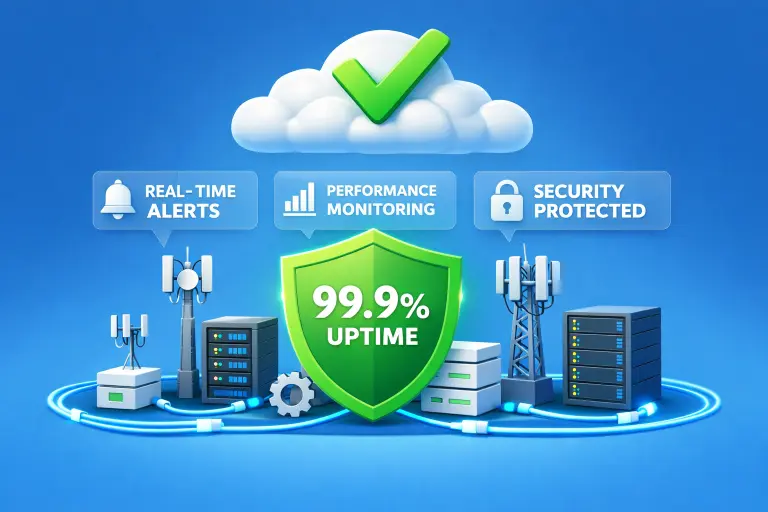
By integrating these capabilities, advanced TMN systems enhance network resilience and ensure consistent service delivery.
Case Study: Reducing Downtime by 25%
A prominent U.S. wireless network operator faced challenges in managing network deployments and minimizing outages during new spectrum rollouts. By partnering with a specialized Performance Assurance Group, the company implemented a comprehensive network outage management solution that included 24/7 monitoring, real-time issue resolution, and seamless integration with existing tools. This initiative led to a 25% reduction in network downtime, improved issue resolution, and enhanced operational visibility.
Enhancing Operational Efficiency Through TMN
Beyond minimizing downtime, advanced TMN systems contribute to operational efficiency by:
- Optimizing Resource Allocation: Ensuring that network resources are utilized effectively, reducing waste and operational costs.
- Improving Customer Experience: Maintaining high network uptime translates into better service quality, leading to increased customer satisfaction and reduced churn.
- Facilitating Scalability: Enabling telecom operators to manage network expansions and upgrades seamlessly without compromising performance.
For instance, a telecom provider leveraging intelligent network management tools, such as VETRO FiberMap, improved operational visibility and achieved 98.99% network uptime. This enhanced reliability contributed to an 8% decrease in customer churn while significantly improving the overall customer experience. By using VETRO FiberMap to streamline fiber mapping, optimize maintenance, and proactively address issues, the company delivered more consistent service and strengthened customer satisfaction.
Implementing Advanced TMN Solutions
To effectively implement advanced TMN solutions, telecom operators should consider the following steps:
- Assess Current Network Infrastructure: Start by building a clear picture of your assets using proper network inventory management so gaps and upgrade needs can be identified more accurately.
- Select Appropriate TMN Tools: Choose solutions that align with the organization’s specific needs, considering scalability, compatibility, and feature sets.
- Integrate with Existing Systems: Ensure seamless integration with current network components to facilitate smooth operations and data flow.
- Train Personnel: Work with experienced sales training experts to ensure teams fully understand and effectively use new TMN tools and workflows.
- Monitor and Optimize: Continuously monitor network performance and make necessary adjustments to optimize efficiency and reliability.
Frequently Asked Questions
What is Telecom Network Management?
Telecom Network Management involves the processes, tools, and techniques used to monitor, control, and optimize telecommunications networks to ensure reliable and efficient service delivery.
How does advanced TMN reduce network downtime?
Advanced TMN reduces network downtime by proactively monitoring network performance, swiftly identifying and resolving issues through automated responses, and predicting potential failures to perform timely maintenance.
What are the benefits of implementing advanced TMN solutions?
Implementing advanced TMN solutions improves network reliability, enhances operational efficiency, optimizes resource utilization, and increases customer satisfaction through consistent service quality.
How can telecom operators implement advanced TMN systems?
Telecom operators can implement advanced TMN systems by assessing their current network infrastructure, selecting suitable TMN tools, integrating them with existing systems, training personnel, and continuously monitoring and optimizing network performance.