Key Takeaways
- Offering retirement plans is a powerful tool for attracting and retaining top talent, as well as driving business growth.
- Cost-effective options, such as SIMPLE IRAs and Safe Harbor 401(k)s, can fit businesses of all sizes.
- Recent legislative changes provide sizable tax credits and higher contribution limits, making plans more accessible.
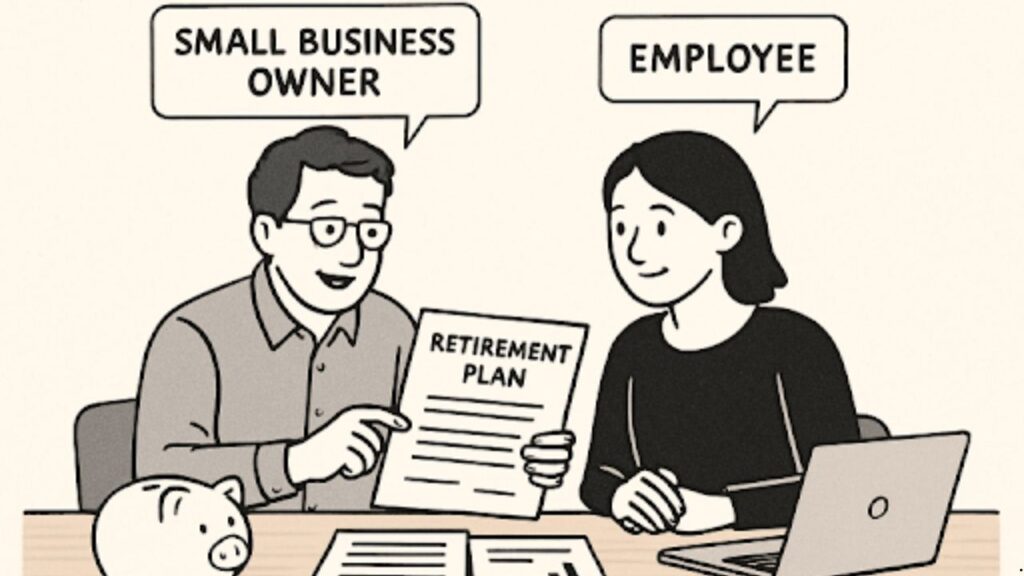
Planning for retirement is an essential yet often daunting responsibility for small business owners. The right retirement plan not only helps secure your own future but can also support employees and make your company more attractive to top talent. While many business owners worry about costs and complexity, there are practical and affordable ways to offer quality retirement benefits—whether for just yourself or for your growing team. If you’re ready to learn more, take a moment to explore small business 401(k) options designed specifically for small business needs.
Offering a retirement plan is a strategic investment. It helps you keep your current workforce satisfied and loyal, and it signals to candidates that your business is committed to their long-term security and stability. At the same time, new legislative changes and streamlined plan designs mean that affordable options are more accessible than ever for small business owners seeking to build stability for themselves and their teams.
Many owners are surprised to find that not only are retirement plans more manageable than expected, but tax credits and simplified compliance make getting started easier than ever. Whether you’re looking for the most straightforward setup or seeking to maximize your savings and employee engagement, understanding your options is the first step.
Table of Contents
The Importance of Offering Retirement Plans
Retirement plans extend far beyond a standard employee benefit, serving as a powerful strategic tool for small businesses. A Capital Group survey reveals that nearly 70% of small business owners prioritize retirement plans to help employees secure their financial futures, underscoring their long-term impact. Additionally, 47% of employers recognize these plans as an effective way to improve employee retention by fostering loyalty and stability. Another 40% view retirement benefits as a competitive advantage for attracting highly qualified candidates in tight labor markets. By offering structured retirement options, small businesses elevate their brand, demonstrating genuine investment in employees’ financial well-being and reinforcing a partnership built on trust, security, and shared long-term success.
Cost-Effective Retirement Plan Options
Affordability and simplicity are at the core of the most popular small business retirement plans:
- SIMPLE IRA: Suitable for businesses with up to 100 employees, SIMPLE IRAs allow employee contributions of up to $17,000 in 2026, with catch-up contributions available for those aged 50 and over. Employers can choose a 3% matching contribution or a 2% non-elective contribution for every eligible employee, making administration straightforward.
- Safe Harbor 401(k): This option streamlines regulatory requirements by mandating employer contributions (which are immediately vested) and eliminates the need for complex annual IRS nondiscrimination testing. While its setup can be slightly more involved than a SIMPLE IRA, a Safe Harbor 401(k) supports both business owners and employees in maximizing retirement savings, while also helping in managing volatility in retirement accounts.
Leveraging Recent Legislative Changes
The SECURE 2.0 Act, enacted in 2022, introduces new incentives and expanded benefits, making establishing a retirement plan more attractive than ever for small businesses.
- Enhanced Tax Credits: Businesses can claim up to $5,000 in tax credits over three years for new plan startup costs, plus an additional $500 for implementing auto-enrollment. Companies with up to 50 employees are also eligible for a credit of up to $1,000 per employee for contributions made during the first five years of the plan, significantly offsetting the cost of offering benefits.
- Higher Contribution Limits and Catch-Up Provisions: Individuals ages 60–63 can make even larger catch-up contributions—up to $10,000 or 50% more than the standard amount, whichever is greater—creating an increased opportunity for those approaching retirement to save more in their final working years.
Steps to Implement a Retirement Plan
- Assess Your Needs: Consider your business objectives to determine your specific needs. Are you most interested in attracting top talent, reducing employee turnover, or maximizing your own retirement savings? Establishing clear goals will guide the type of plan to choose.
- Select the Right Plan: SIMPLE IRAs offer speed and simplicity; Safe Harbor 401(k)s provide higher contribution limits and flexibility, particularly for owner savings. Carefully evaluate the costs and benefits of your plan for your specific situation.
- Please consult a Professional: Work with a retirement specialist or consult a financial planner to navigate compliance, set up the plan, and ensure it aligns with your business goals and budget.
- Employee Communication: Clear communication is key to high participation and engagement. Educate staff on the plan’s value, eligibility, and how they can enroll.
- Ongoing Administration: Establish the plan, complete necessary paperwork, and stay informed about regulatory changes. Regularly review your plan’s effectiveness and compliance with your advisor.
Overcoming Common Challenges
Small business owners often worry that offering a retirement plan means dealing with complex paperwork or incurring prohibitive costs. However, thanks to available tax credits, streamlined plan options, and advisory support, these barriers have been greatly reduced. Many third-party plan providers offer turn-key solutions, and recent legislation is specifically designed to lower costs for small enterprises.
Additionally, collaborating with financial professionals ensures all regulatory requirements are met and that the plan is a good fit for your unique business model and goals. Transparent, frequent communication with employees also improves participation and maximizes the benefits you can offer as an employer.
Conclusion
Affordable retirement planning is increasingly accessible for small businesses, regardless of size or industry. By learning about available plan options, such as simplified retirement accounts and employer-sponsored savings programs, business owners can make informed decisions that align with their budgets and goals. Recent legislative incentives and tax credits further reduce costs, making it easier to implement and maintain these benefits. Taking practical steps—such as assessing workforce needs, partnering with experienced providers, and educating employees—helps ensure the successful adoption of new initiatives. Offering retirement savings opportunities strengthens employee financial security, boosts morale, and encourages long-term retention. At the same time, it enhances your company’s appeal, giving you a competitive advantage when attracting and retaining top talent.