Key Takeaways
- AI streamlines resume screening and candidate evaluation for faster, more effective hiring.
- Recruitment automation introduces challenges around fairness, transparency, and data privacy.
- The future will see broader adoption of AI in predictive analytics, skill-based hiring, and enhancements to the candidate experience.
Artificial Intelligence (AI) is revolutionizing the way companies discover, engage with, and ultimately hire talent. The integration of artificial intelligence in recruitment is enabling organizations to streamline traditionally labor-intensive processes, providing new methods for managing high volumes of applications and personalizing candidate journeys. As a result, hiring teams can focus more on strategic hiring decisions while candidates benefit from a smoother application experience.
From automating repetitive administrative tasks to identifying the best-fit talent pools, AI technologies—along with the benefits of recruitment CRM systems—are delivering substantial savings in both time and resources. Companies that embrace these tools see increases in recruitment efficiency and improvements in overall candidate satisfaction. However, these innovations also introduce new challenges such as potential biases and the need for ethical oversight, leading employers to seek a careful balance between automation and the human touch.
Keeping pace with AI-driven changes is now crucial for recruiters and HR professionals who want to remain competitive in rapidly evolving talent markets. By adopting transparent and responsible AI solutions, businesses can reduce friction in the hiring process while also addressing critical ethical considerations. Organizations should also keep a close eye on emerging industry trends as more advanced AI capabilities continue to redefine what modern recruitment looks like.
Table of Contents
Enhancing Efficiency in Resume Screening
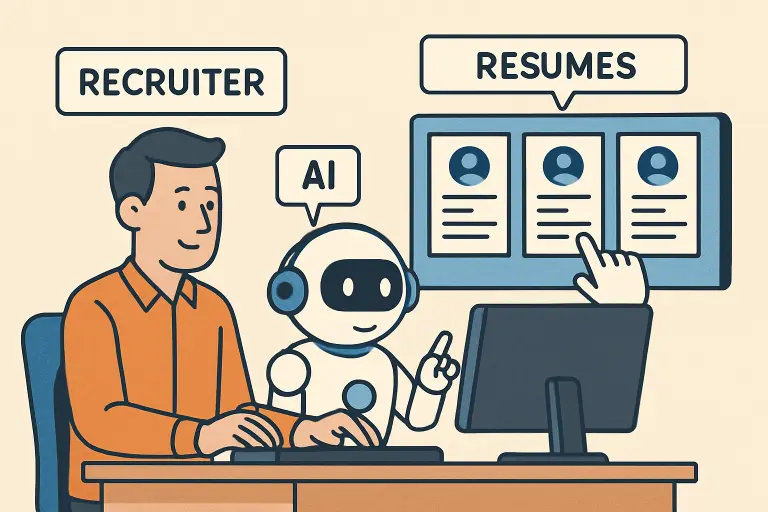
AI-powered resume screening tools have revolutionized recruitment by quickly processing large numbers of applications and surfacing the strongest candidates. Leveraging natural language processing and pattern recognition, these algorithms match candidate profiles to job descriptions with higher accuracy and less manual effort from hiring teams. Reports from global employers, such as Unilever, illustrate how AI-driven assessments and automated video evaluations have reduced the time-to-hire and increased candidate satisfaction, particularly in high-volume recruiting environments. According to Forbes, companies leveraging such tools can process thousands of applications in a fraction of the time previously required.
Improving Candidate Experience Through AI
One of the most significant benefits of AI in recruitment is the potential to create a positive and responsive candidate experience. Chatbots and virtual assistants are now used to address candidate queries in real-time, guide candidates through the application process, and provide relevant information about the hiring process. Additionally, AI-powered scheduling assistants help arrange interviews without the need for back-and-forth emails, minimizing delays and showcasing a tech-forward employer brand. In a competitive talent market, understanding how technology is transforming modern hiring can help companies elevate their reputation and increase the chances of attracting top talent.
The Role of Personalization
AI systems utilize previous candidate interactions and publicly available data to tailor communication and suggest roles that align with each applicant’s skills and interests. This approach ensures that applicants feel valued and engaged, making the recruitment process more efficient for both parties.
Addressing Bias and Ethical Concerns
The adoption of AI in recruitment highlights significant ethical challenges, particularly regarding bias and data privacy. Machine learning models are only as good as the data used to train them, which can sometimes reflect and perpetuate historical biases—leading to unfair or discriminatory hiring outcomes if not properly managed. To counteract this, organizations are prioritizing transparency and regular audits of AI tools to identify and eliminate bias. Research highlighted by arXiv underscores the critical importance of transparency and explainability in AI systems for building trust and acceptance among both recruiters and candidates.
Data privacy is another concern, as AI tools often handle sensitive personal information. Recruitment teams must comply with global privacy laws and implement safeguarding protocols to ensure candidates’ data is handled securely and ethically. Ongoing training for HR professionals on the potential risks and the importance of ethical AI use is essential for mitigating these challenges.
AI in Interview Processes
AI is also reshaping the interview process, with more companies experimenting with on-demand, AI-driven video interviews. Such platforms analyze responses, tone, and even facial expressions to assess candidate suitability—innovations that promise more standardized and impartial evaluations. While these tools can expedite early-stage filtering and reduce human scheduling resources, some job seekers report that AI-led interviews can feel impersonal or unsettling, raising questions about striking a balance between automation and empathy. According to Time Magazine, the candidate experience during AI interviews has a significant impact on a company’s reputation and should be managed carefully.
Future Trends in AI-Driven Recruitment
As AI technologies mature, several trends are shaping the future of recruitment. Predictive analytics, powered by AI, provide companies with strategic advantages of leveraging AI in recruitment, forecasting candidate success based on historical data and behavioral analysis to make smarter, data-driven hiring decisions. There’s a growing shift toward skill-based hiring, where AI systems evaluate candidates based on their skills and learning agility rather than just formal education, helping employers address talent shortages and diversify their workforce. Next-generation tools are also emerging to assess candidates’ soft skills, communication capabilities, and cultural fit more holistically.
According to Harvard Business Review, these changes signal a broader transformation in talent acquisition, with AI serving as both a strategic partner and an operational engine for HR teams. Companies must stay nimble, continually updating their practices to capitalize on new AI developments while navigating the evolving legal and ethical landscape.
Conclusion
The role of AI in recruitment is accelerating, fundamentally changing every stage of the hiring process. While this shift presents clear advantages—efficiency, personalization, and better data-driven decisions—it also requires employers to address challenges surrounding ethics and the balance between technology and human interaction. Embracing AI with a thoughtful, candidate-centric approach will empower companies to attract and retain top talent while maintaining fairness, transparency, and a strong employer brand in an increasingly digital recruiting environment.