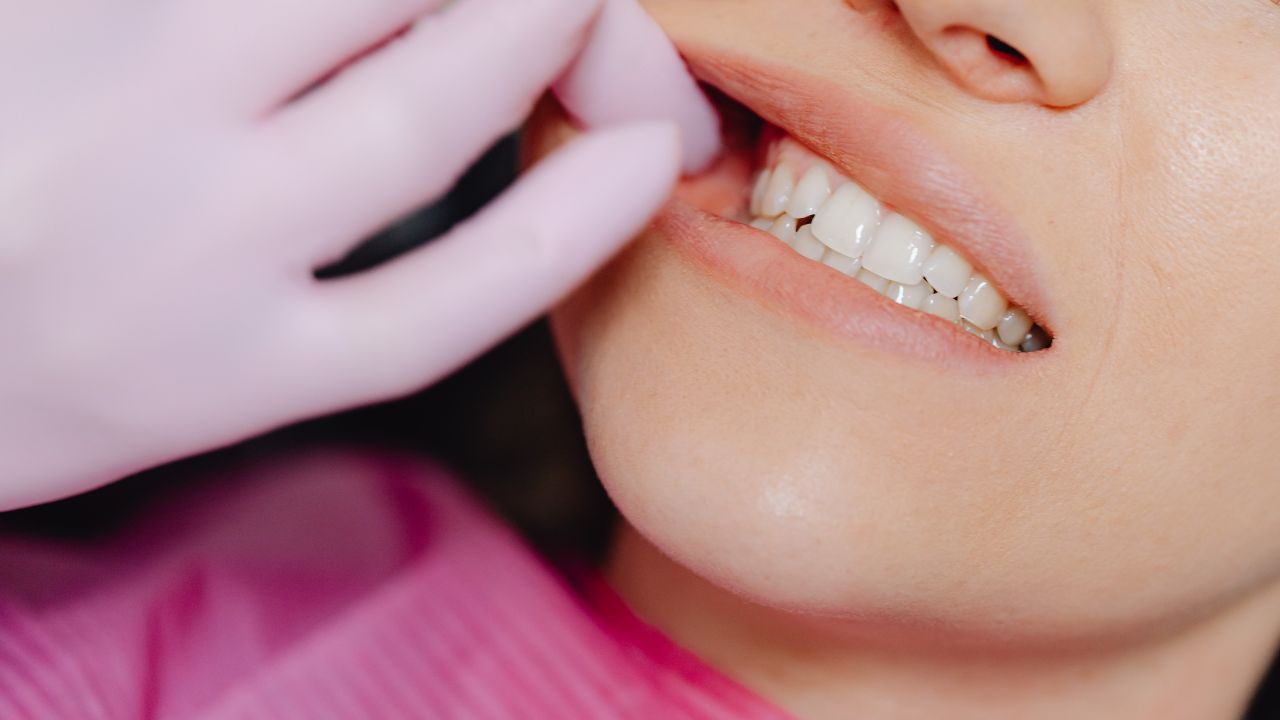
If you have ever dealt with painful splits at the corners of your mouth, you already know how something so small can feel very annoying. Talking, eating, even smiling can sting, and the cracks seem to reopen just when you think they are healing. Many people start searching online for Cracked mouth corners cheilosis treatment after weeks of trying lip balms or home fixes that only work for a day or two.
From an Ayurvedic point of view, these cracks are not just a surface skin issue. They often reflect dryness inside the body, weak digestion, nutritional gaps, or repeated irritation from habits we barely notice. Understanding what is going on beneath the surface is what helps healing last, not just look better for a moment.
Table of Contents
Core Idea Explained
What It Means In Simple Words
Cracks at the mouth corners, often called angular cheilitis, show up as redness, splits, soreness, or even a bit of crusting. Sometimes there is burning, sometimes itching, and sometimes it just feels tight and raw. In daily life, people describe it as “the skin won’t close” or “it keeps tearing again.” Moisture, saliva, cold wind, or constant licking can make it worse, which is why it feels stubborn.
Why People Search For This Topic
People usually start searching when the problem keeps coming back. Lip balms help for a few hours but the cracks return. Some notice it more in winter, others during stress, illness, or diet changes. Questions like “Is this a vitamin issue?”, “Is it fungal?”, or “Why does it heal on one side but not the other?” are very common. Ayurveda looks at all of these questions together, not separately, which is why it can feel more reassuring for long-term care.
Ayurveda Perspective
Ayurvedic Principles Involved
In Ayurveda, mouth corner cracks are often linked with aggravated Vata due to dryness and roughness, sometimes mixed with Pitta when there is redness, burning, or inflammation. Poor agni, meaning weak digestion, can reduce proper absorption of nutrients like iron or B vitamins. Over time, this shows up on sensitive areas such as lips and mouth corners. Ayurveda does not label it as just a skin condition, but as a sign of imbalance inside.
Typical Patterns People Notice In Real Life
Many people notice the cracks worsen when they skip meals, drink less water, or live on dry snacks and coffee. Some say it flares during stressful weeks or after being sick. Others notice a connection with frequent mouth breathing, drooling at night, or wearing ill-fitting dentures. These small, everyday patterns matter more than people realize, and Ayurveda pays close attention to them.
Practical Guidance
Daily Routine Tips
A gentle daily routine can make a real difference. Start the day with warm water, not cold, to support digestion. Applying a small amount of plain ghee or coconut oil to the mouth corners in the morning and before bed helps protect the skin barrier, and using gentle natural moisturizers can further support healthy, resilient skin. Oil pulling with sesame or coconut oil for a few minutes can reduce dryness in the mouth, but do it gently, no force.
Food And Lifestyle Suggestions
Favor warm, cooked foods that are easy to digest. Soups, stews, khichdi, and lightly spiced vegetables support internal hydration. Include natural fats like ghee, soaked almonds, and seeds if suitable for you, as proper nourishment and skin hydration therapy approaches can also support overall skin repair and moisture balance from within. People often search for links between cracked lips and vitamin deficiency, and Ayurveda would say nourishment matters, but digestion matters first. Good food only helps if the body can absorb it properly, which is often overlooked.
What To Avoid
Avoid constant licking of lips, even though it feels soothing for a second. Very spicy, salty, or sour foods can irritate healing skin. Try not to use multiple medicated creams at the same time, as this can confuse the skin and slow repair. Also avoid ignoring the issue for months hoping it will disappear on its own, because repeated cracking can lead to infection.
Safety And When To Seek Medical Help
Ayurvedic self-care is meant to be gentle and supportive, not a replacement for medical care when it is clearly needed. If the cracks are bleeding often, spreading, forming thick crusts, or not improving at all after two to three weeks, it is important to consult a healthcare professional. Persistent cases may involve fungal or bacterial infection, anemia, diabetes, or immune issues. Pain, swelling, fever, or discharge are red flags. Ayurveda works best alongside proper diagnosis, not instead of it.
Conclusion
Cracks at the corners of the mouth may look small, but they often tell a bigger story about dryness, digestion, and daily habits. Ayurveda offers a calm, practical way to support healing by nourishing the body from inside and protecting the skin outside. Start with simple routines, mindful eating, and gentle care. If this approach resonates with you, try the basics consistently, share this article with someone dealing with the same issue, and explore more holistic Ayurvedic guidance for everyday health.
FAQs
Why do mouth corner cracks keep coming back even after healing?
Because the root cause, like dryness, poor digestion, or irritation, may still be present even when the skin looks better.
Can stress really affect cracks at the mouth corners?
Yes, stress can disturb digestion and increase dryness in the body, which slows skin repair over time.
Is this always due to vitamin deficiency?
Not always. Sometimes nutrients are present in the diet but not absorbed well due to weak digestion.
Does saliva make the cracks worse?
Constant moisture from saliva can break down the skin barrier and delay healing, especially at night.
Are natural oils really helpful or just cosmetic?
When used regularly, simple oils like ghee or coconut oil can protect and support healing, not just cover the problem.
How long should natural care be tried before seeing results?
Mild cases may improve in days, but deeper cracks often need one to three weeks of consistent care.
Can children or older adults get this problem too?
Yes, it can affect all ages, especially when immunity, nutrition, or hydration is low.