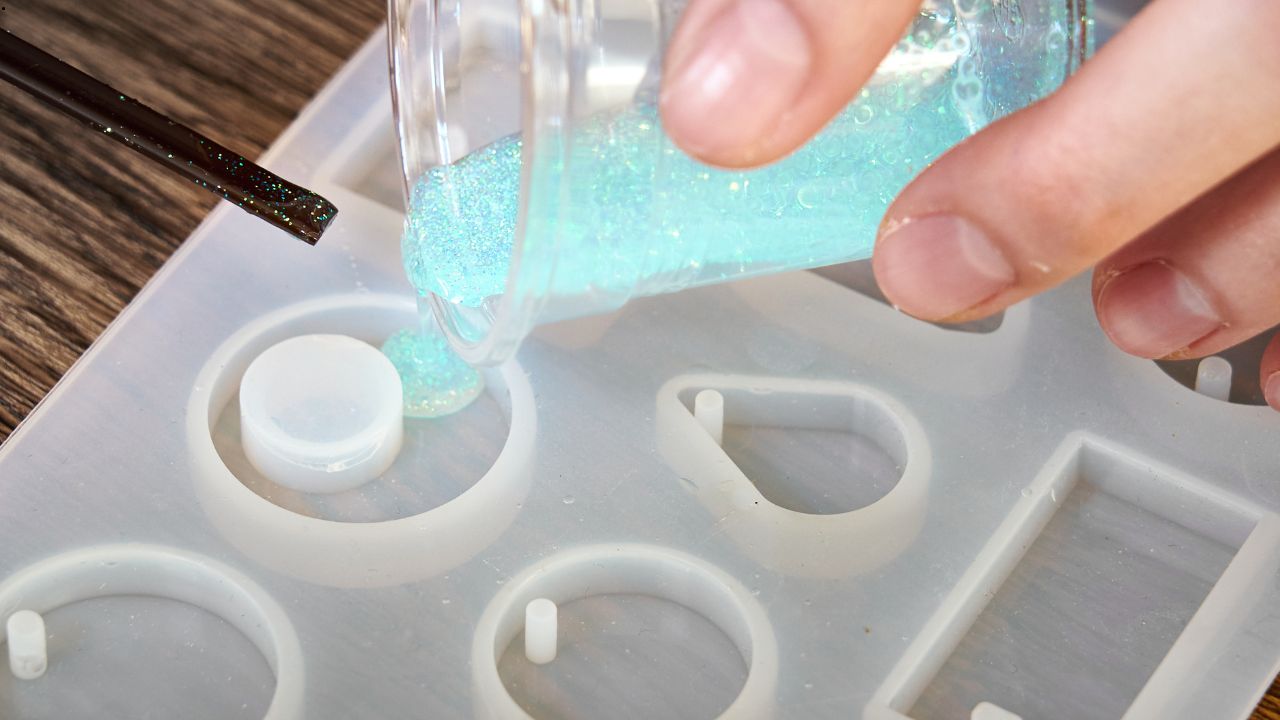
Every product you use — from the buttons on your keyboard to the casing around your phone — likely started as a blob of melted plastic. That plastic was shaped, cooled, and popped out of a mold in a matter of seconds. This process is called plastic injection molding, and it is one of the most widely used manufacturing methods in the world.
But not all injection molding is the same. Custom plastic injection molding takes things a step further. It is designed around your exact needs — your part shape, your material, your industry, and your quality standards. So, if you are a business looking to source reliable plastic components, understanding this process can save you time, money, and a lot of headaches.
Companies like Plastic Molded Concepts (PMC) show what custom injection molding can look like at a high level. PMC is ISO 9001:2015 certified and brings over 50 years of experience to the table. They work with industries like aerospace, medical, and electronics, offering services that go well beyond simply running a mold. From design and material selection to prototypes and secondary operations, they handle the full journey of a plastic part — start to finish.
Table of Contents
What Is Custom Plastic Injection Molding?
Standard injection molding produces generic parts in large volumes. Custom injection molding, on the other hand, is built around a specific design. You provide the specifications, and the manufacturer builds or sources a mold that matches your part exactly.
Learn more about injection molding processes and how plastic parts are shaped, cooled, and ejected efficiently. The mold holds the shape while the plastic cools. Once it solidifies, the mold opens and the part is ejected. This cycle can happen in under a minute, which makes it ideal for high-volume production.
What makes custom molding valuable is the level of control it gives you. You choose the material. You set the tolerances. You decide on the finish. As a result, the final part fits your product perfectly rather than being a close-enough substitute.
Why Material Selection Matters More Than You Think
One of the most important steps in custom injection molding is picking the right material. There are hundreds of plastic resins available, and each one behaves differently under heat, pressure, and stress.
For example, industries like medical and aerospace often need materials that can handle extreme temperatures or chemical exposure. In those cases, something like EVA resin might come into play. EVA (ethylene-vinyl acetate) is flexible, durable, and resistant to UV radiation and cracking. It is commonly used in medical devices, footwear, and packaging because of how well it holds up over time. Choosing the wrong resin can lead to parts that warp, crack, or fail — which is why working with an experienced team on eva resin selection is so important.
A good manufacturing partner will review your application and recommend the best resin based on:
- The environment the part will live in (heat, moisture, chemicals)
- The mechanical demands placed on the part (impact, pressure, flex)
- Regulatory requirements for your industry
- Cost and availability of the material
Getting this step right from the start prevents costly redesigns down the road.
The Role of Mold Design in Part Quality
A well-designed mold is the foundation of a good part. If the mold has poor gate placement, uneven cooling channels, or weak ejection points, you will see it in the finished product — in the form of warping, sink marks, or inconsistent dimensions.
This is why mold design is not something to rush. The design phase should account for the part geometry, wall thickness, draft angles, and how the plastic will flow through the cavity. Experienced manufacturers use simulation software to predict how the material will behave before the mold is even cut. This saves time and reduces the chance of expensive tooling corrections later.
PMC, for instance, works directly with clients during the mold design phase. Their team helps identify potential issues early so that the mold produces accurate, consistent parts right from the first run.
Overmolding and Insert Molding Add Even More Value
Custom injection molding is not limited to single-material parts. Two advanced techniques — overmolding and insert molding — allow manufacturers to combine materials or components within a single part.
Overmolding involves molding one plastic layer over another. This is how soft-grip handles are made on tools and medical instruments. The rigid base provides structure, while the overmolded layer adds comfort or grip.
Insert molding takes a different approach. A pre-made component — often a metal insert like a threaded fastener — is placed into the mold before the plastic is injected. The plastic then flows around it, locking it in place. This creates a strong mechanical bond and eliminates the need for secondary assembly.
Both techniques reduce part count, improve product performance, and can lower overall production costs.
Prototype Development Speeds Up Product Launches
Before you commit to a full production run, it makes sense to test your design first. Prototype development lets you evaluate fit, function, and appearance with real parts before investing in final tooling.
Prototyping also gives your engineering team a chance to catch problems early. Furthermore, it allows you to show stakeholders a physical sample, which is far more convincing than a drawing or a 3D render. For industries like medical and aerospace, prototyping is often a required step in the approval process.
Working with a manufacturer who handles prototyping in-house speeds everything up. There are no handoffs between separate vendors, and feedback can be acted on quickly.
What Is Forensic Failure Analysis?
Sometimes parts fail — and when they do, it is important to understand why. Forensic failure analysis is a specialized service that examines a failed component and identifies the root cause. Was it a material defect? A design flaw? A processing issue? A secondary operation that damaged the part?
This kind of analysis is especially valuable for medical plastic injection molding companies where part failures can have serious consequences. PMC offers forensic failure analysis as part of their broader service offering. This means that if a part fails in the field, they can help trace the problem back to its source and recommend corrective actions.
Secondary Operations Round Out the Process
Once a part comes out of the mold, it may still need additional work before it is ready to ship. Secondary operations include things like:
- Ultrasonic welding to join parts together
- Assembly of sub-components
- Surface finishing or painting
- Pad printing or laser marking for labels and branding
- Quality inspection and testing
Having these services available under one roof is a significant advantage. It simplifies your supply chain, reduces lead times, and gives you a single point of contact for the entire part lifecycle.
Choosing the Right Custom Injection Molding Partner
Not every injection molder is equipped to handle every job. When evaluating potential partners, look beyond price. Consider their certifications, their industry experience, and the range of services they offer.
For demanding industries, certifications like ISO 9001:2015 are a strong signal of consistent quality. Moreover, experience in your specific market matters. A manufacturer who regularly works with medical plastic injection molding companies understands the regulatory expectations and quality standards that come with that territory. Similarly, aerospace and electronics clients have their own strict requirements.
It is also worth asking about their capacity. Can they scale with you? Do they have backup tooling options? What does their inspection process look like?
Finally, communication matters. A good manufacturing partner keeps you informed at every stage. They flag problems early, offer solutions, and treat your project as a priority — not just another job on the floor.
Final Thoughts
Custom plastic injection molding gives businesses the ability to produce high-quality, precise plastic parts that are built for their exact application. From mold design and material selection to prototyping and secondary operations, the process is thorough and adaptable.
Whether you are sourcing components for a medical device, an aerospace assembly, or a consumer electronics product, finding the right manufacturer makes all the difference. Look for a partner with deep experience, strong certifications, and the flexibility to support you from concept to finished part.
Companies like PMC demonstrate that injection molding done right is not just about filling cavities — it is about building a reliable, long-term supply of parts you can count on. The right eva resin, the right mold, and the right process all work together to deliver parts that perform exactly as expected, every time.