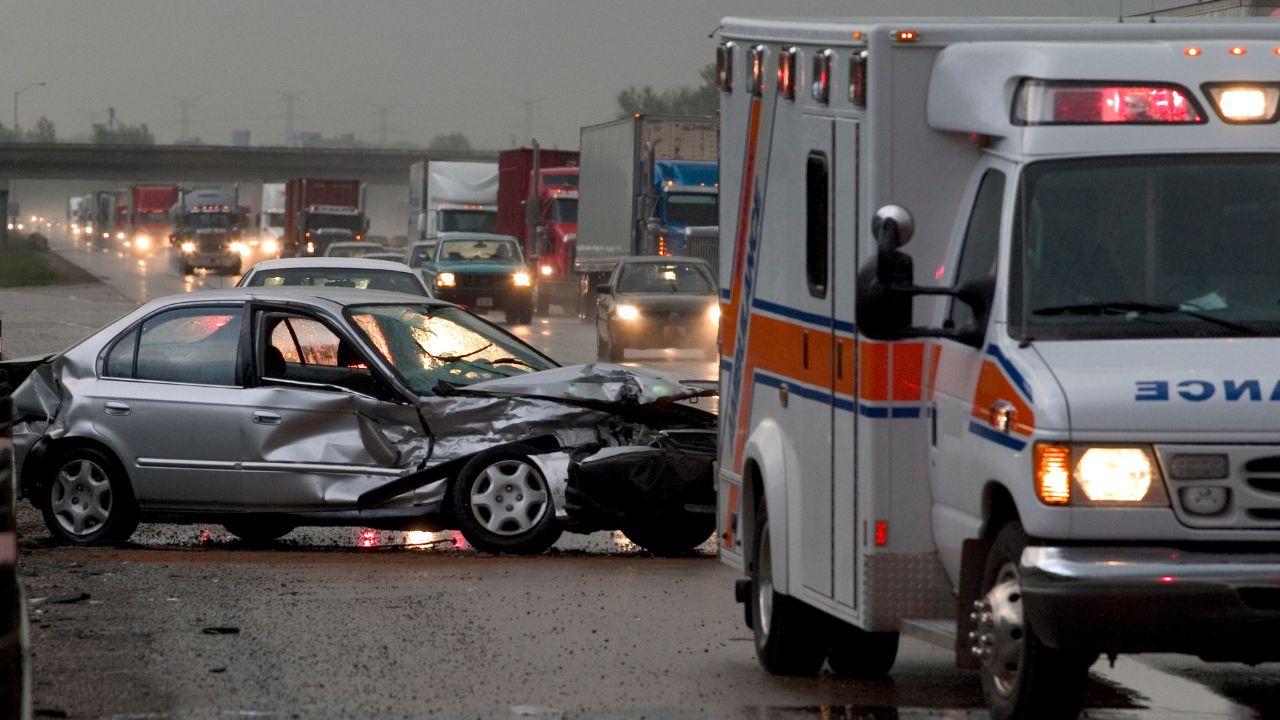
A new analysis from Bader Law identifies the specific days of the year when Americans faced the highest risk on the road, using national crash and fatality data to map out the most dangerous dates for drivers. The findings reveal that road deaths in 2023 did not occur evenly throughout the year. Instead, certain days produced sharp spikes in fatalities, influenced by seasonal travel patterns, weather conditions, holiday behavior, and the number of miles Americans traveled.
According to the National Highway Traffic Safety Administration, 40,901 people died in motor vehicle crashes in 2023. That averages to 110 deaths per day, but the daily totals varied widely. The study conducted by Bader Law shows that the deadliest day of the year was Saturday, October 21, when 174 people were killed in road crashes. That figure was higher than the 172 deaths recorded on August 26 and the 169 deaths recorded on July 29, which were the second and third deadliest days of the year.
The prominence of October 21 at the top of the list highlights several important trends. First, it occurred on a Saturday, which is consistently the most dangerous day of the week for driving. Saturdays typically involve increased social activity, long distance travel, and late night driving. These conditions often correlate with higher rates of speeding and alcohol impairment. Second, the date falls during the transition from autumn to winter, a period marked by reduced daylight and the arrival of misty or wintry weather. These conditions reduce visibility for drivers, cyclists, and pedestrians. Third, the date falls within the early Halloween season, a time that historically sees an increase in nighttime travel and impaired driving.
The second and third deadliest days, August 26 and July 29, also fell on Saturdays. Both dates occurred during the height of summer, which is the most dangerous season for road travel. National Safety Council data shows that August is the deadliest month of the year for traffic fatalities, followed by July. Summer brings elevated vacation travel, more inexperienced drivers on the road due to school breaks, and a rise in late night celebrations. These factors combine to create a high risk environment for drivers.
Summer is also the peak season for vehicle miles traveled. The study notes that August and July are the two busiest months of the year in terms of miles driven. Higher traffic volumes increase the likelihood of congestion and collisions. The data shows that while the fatality rate per 100 million miles traveled does not fluctuate as sharply as raw fatality counts, the risk adjusted death rate still peaks in October and reaches its lowest point in March.
The study also highlights several anomalies in the data. For example, March sees a significant increase in miles traveled compared to February, largely due to spring break. Millions of students and families travel during this period, often taking long road trips or participating in nightlife centered activities. A University of Miami study found that spring break weeks produce an average 9.1 percent increase in traffic fatalities in 14 destination counties across seven states. These counties experience an average of 16 additional road deaths per year during spring break. Fatal crashes rise by about 9 percent in popular destinations such as Miami Beach and Fort Lauderdale.
The states that experience the most significant spring break related increases in fatal crashes include Texas, Nevada, South Carolina, Arizona, Virginia, California, and Florida.
Even months with relatively low travel volumes can contain unusually dangerous days. January is one example. Martin Luther King Jr. weekend has become one of the most hazardous winter travel periods, despite not being widely viewed as a major travel holiday. The weekend often involves long distance road trips, winter weather hazards, and a high number of impairment related crashes. Presidents Day weekend in February shows a similar pattern. The Colorado Department of Transportation reports that the holiday weekend produces some of the highest mountain traffic totals of the year on Interstate 70. Many drivers travel to ski resorts and mountain towns, often without proper preparation for winter conditions. In February 2024, 46 passenger vehicle crashes were reported on the I 70 mountain corridor, and the highway was closed for 15 hours due to crashes and emergency response activity. CDOT estimates that each hour of closure on I 70 can cost up to 2 million dollars in economic impact.
Alcohol impairment remains a major factor in the deadliest driving days of the year. In 2023, 12,429 people died in drunk driving crashes, representing nearly one third of all traffic fatalities. Men aged 21 to 34 accounted for the highest percentage of impaired drivers involved in fatal crashes.
The study also highlights the growing vulnerability of older drivers. In 2023, 9,587 people aged 65 and older died in motor vehicle incidents, an increase from 9,545 in 2022. Over the past decade, deaths involving older adults have risen 40 percent, while the population of older adults has grown 28 percent. This has resulted in a 9.3 percent increase in the death rate per 100,000 people. NHTSA data shows that nearly 65 percent of traffic deaths in 2023 involved either an older driver or a passenger riding with one. The breakdown includes 4,829 older driver deaths and 725 passenger deaths. CDC data shows that older adult fatalities included 6,408 vehicle occupants, 652 motorcyclists, 1,848 pedestrians, 211 bicyclists, and 464 non traffic deaths.
Older drivers face heightened risk due to slower reaction times, reduced visibility, and increased physical frailty. Although they are involved in fewer crashes overall, they are more likely to die from injuries sustained in a collision.
The study conducted by Bader Law concludes that dangerous driving days occur throughout the year, not only during major holidays or peak travel seasons. October 21 stands out as the deadliest day, but spring break, summer weekends, and winter holiday periods all contribute to elevated fatality numbers. Understanding these patterns can help drivers prepare for high risk periods and make safer travel decisions.