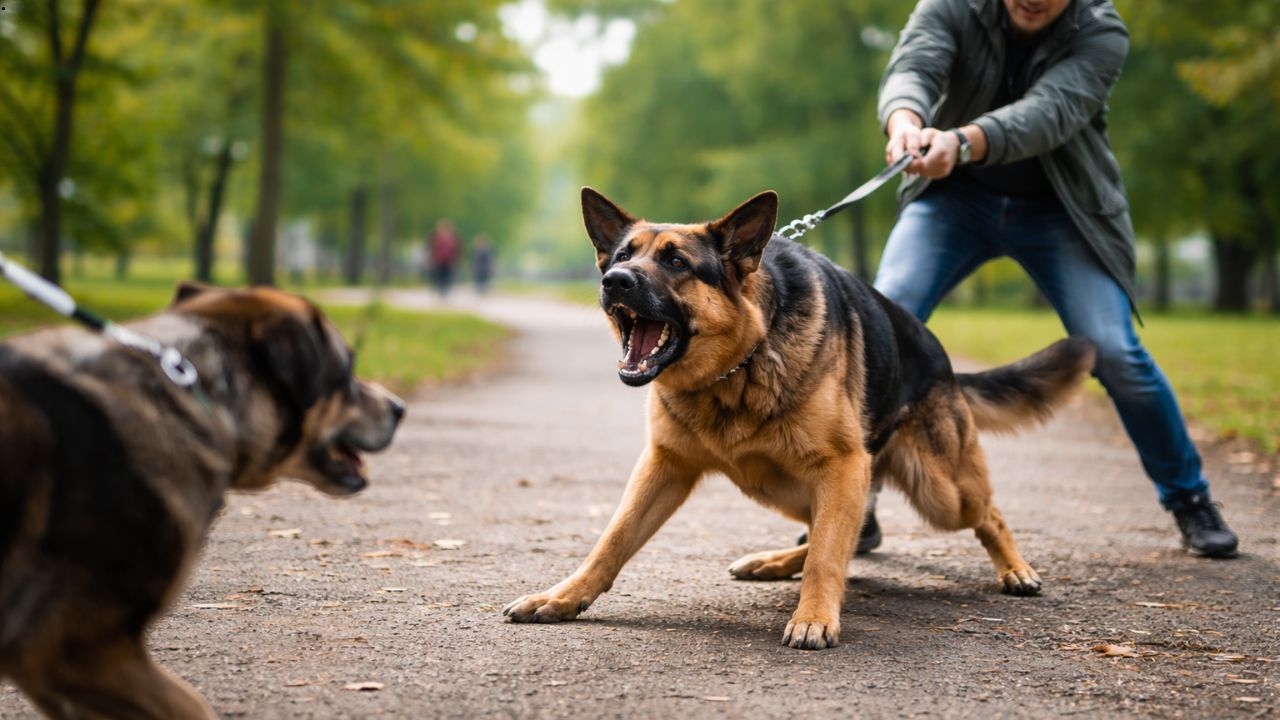
If your dog growls, lunges, or snaps, you already know how exhausting that feels. Every walk becomes a test. Every visitor becomes a problem. And most advice you find online either feels too basic or too vague to actually help.
The good news is that structured training works — even for dogs with serious behavioral issues. Today, more pet owners are turning to digital tools to get that structure. But not every app is built for dogs with aggression or reactivity problems.
So let’s break it all down.
Table of Contents
Understanding Why Some Dogs Become Aggressive
Before you pick any training method, it helps to understand what’s actually going on with your dog.
Aggression is rarely random. Most dogs act out because of fear, frustration, past trauma, or a lack of early socialization. Some dogs were never taught how to handle stress, and even simple things like a poor diet can affect their mood — this is where good dog food ideas can make a difference. Others had bad experiences that stuck with them. In many cases, it’s a mix of both.
Common causes of dog aggression include:
- Fear-based reactions — the dog feels threatened and lashes out
- Resource guarding — protecting food, toys, or space
- Territorial behavior — reacting to strangers or other animals near the home
- Leash frustration — being held back creates tension that explodes outward
- Past trauma or abuse — especially in rescue dogs
Understanding the root cause matters because it changes how you train. A fearful dog needs a completely different approach than a dog that guards food. Applying the wrong method can actually make things worse.
This is also why reactive dogs need structured training, not just basic commands. Teaching “sit” is useful. But it does not address the emotional trigger behind the behavior. Real progress comes from changing how your dog feels about the thing that sets them off — not just teaching them to suppress the reaction.
A Look at the Best Dog Training Apps Right Now
The dog training app market has grown a lot in recent years. Some apps are simple and built for puppies. Others are more advanced and tackle behavioral issues head-on. Here is what to look for before downloading anything:
What a good training app should offer:
- Clear, step-by-step lessons based on positive reinforcement
- Content specifically for reactive or aggressive dogs
- Progress tracking so you can see what’s working
- Access to real trainers or behaviorists, not just videos
- Honest pricing with no hidden fees
Woofz
Woofz is a clean, beginner-friendly app. It has good visuals and covers basic obedience well. However, it is mostly built for puppies and dogs without serious behavioral problems. If your dog is reactive or aggressive, you may find that Woofz does not go deep enough. It is a solid starting point, but not a complete solution for complex cases.
SpiritDog Training
SpiritDog is more course-based. It offers structured programs and covers topics like reactivity and impulse control. The content quality is generally good, and it uses positive reinforcement throughout. That said, it functions more like a pre-recorded course than an interactive coaching platform. You work through it on your own, which suits some people and feels limiting for others.
PawChamp
PawChamp sits in a different category. It is built as a full training ecosystem — combining structured programs, behavior-focused content, and access to certified professionals. For owners dealing with aggression or reactivity, that combination matters. You are not just watching videos. You are getting a framework designed around real behavioral change.

If you want to compare these tools side by side before committing, this best dog training apps review gives an honest breakdown of how Woofz, SpiritDog, and PawChamp compare across features, pricing, and results.
Training an Aggressive Dog at Home — What Actually Works
A lot of people wonder whether they can handle aggression training at home or whether they need professional classes. The honest answer is: it depends on the severity.
For mild to moderate reactivity, a well-structured app or online program can absolutely work — if you stay consistent. The key is not the tool you use. It is whether the method addresses the root cause and whether you apply it daily.
App-Based Training vs. In-Person Classes
Both have real advantages. Here is a simple comparison:
App-based training:
- Available any time, at your own pace
- More affordable than weekly classes
- Great for consistent daily practice
- Works well for mild to moderate issues
In-person or professional classes:
- Hands-on guidance from a trainer
- Better for dogs with severe aggression
- Helpful when you feel stuck or unsafe
- Useful for owners who need real-time feedback
For many owners, the best approach combines both. You use an app for daily structure and supplement with professional support when needed. If you are unsure which in-person options make sense for your dog’s behavior level, this guide on dog classes for aggressive dogs is worth reading before you decide.
Using Positive Reinforcement the Right Way
One thing most people get wrong is when they reward. Positive reinforcement is not just about giving treats. It is about timing. Your dog needs to receive the reward at the exact moment they make the right choice — not a few seconds later.
For reactive dogs, this often means rewarding the moment they look away from a trigger, stay calm when another dog passes, or check in with you instead of reacting. Over time, these small wins build a new pattern.
Some practical tips that genuinely help:
- Start far from triggers. Work at a distance where your dog notices but does not react.
- Keep sessions short. Five to ten minutes is enough. Long sessions cause fatigue and frustration.
- Be consistent every single day. Progress comes from repetition, not intensity.
- Celebrate small wins. Every calm moment is a step forward.
As your dog improves, you can slowly close the distance to triggers. This is called desensitization, and it is one of the most evidence-based approaches for reactive dogs.
Final Thoughts
Living with an aggressive or reactive dog is genuinely hard. However, it is not a permanent situation. With the right method, real progress is possible — even for dogs that have struggled for years.
Whether you start with an app, an online course, or professional classes, the most important thing is to begin with a structured, science-based approach. Punishment and dominance tactics tend to make aggression worse. Patience, consistency, and positive reinforcement make it better.
The tools are out there. You just need the right one for your dog.