Bringing a product to market is not simple. It takes time, money, and the right partners. For many companies, doing everything in-house is just not realistic. That is where contract manufacturing comes in. It gives businesses access to skilled teams, advanced equipment, and streamlined processes — without having to build all of that themselves.
One strong example of this is East West Manufacturing, a trusted partner for companies that need reliable electronics manufacturing services. They handle everything from PCB assembly using SMT technology to full turnkey box builds. They also offer engineering support like Design for Manufacturability (DfM), component sourcing, thorough testing, and scalable production — whether you need a prototype or a high-volume run. Companies in industries like industrial, medical, and AI turn to them to bring cost-effective, reliable products to market faster. Their approach to electrical engineer design makes the whole process smoother from start to finish.
Table of Contents
What Is Contract Manufacturing?
Contract manufacturing means hiring an outside company to produce your product or parts of it. Instead of running your own factory, you work with a manufacturer who already has the tools, team, and experience.
This model is common across many industries. You will find it in electronics, medical devices, automotive parts, consumer goods, and more. In fact, some of the world’s best-known brands rely on contract manufacturers to keep their supply chains moving.
The global contract manufacturing market has grown quickly in recent years, and many companies now focus more on smarter manufacturing strategies to stay competitive. More companies now understand that focusing on their core strengths — like sales, design, or customer service — makes more sense than trying to manage every step of production.
Why Companies Choose Contract Manufacturing
There are several clear reasons why businesses go this route:
- Lower costs: Building and running a factory is expensive. Contract manufacturers already have the infrastructure, so you share those costs with other clients.
- Faster time to market: Because the manufacturer already knows the process, your product gets built and shipped faster.
- Access to expertise: You get experienced engineers, quality control teams, and proven systems right away.
- Flexibility: You can scale up or down based on demand without worrying about hiring or laying off staff.
Moreover, contract manufacturers often have strong supplier networks. So they can source components quickly and at better prices than most individual companies could manage on their own.
Electronics Manufacturing: A Growing Need
Today, electronics manufacturing is one of the biggest areas where companies rely on contract partners to handle complex production. As devices get more complex, producing them in-house becomes harder. Circuit boards, sensors, chips, and assemblies all require precise equipment and trained technicians.
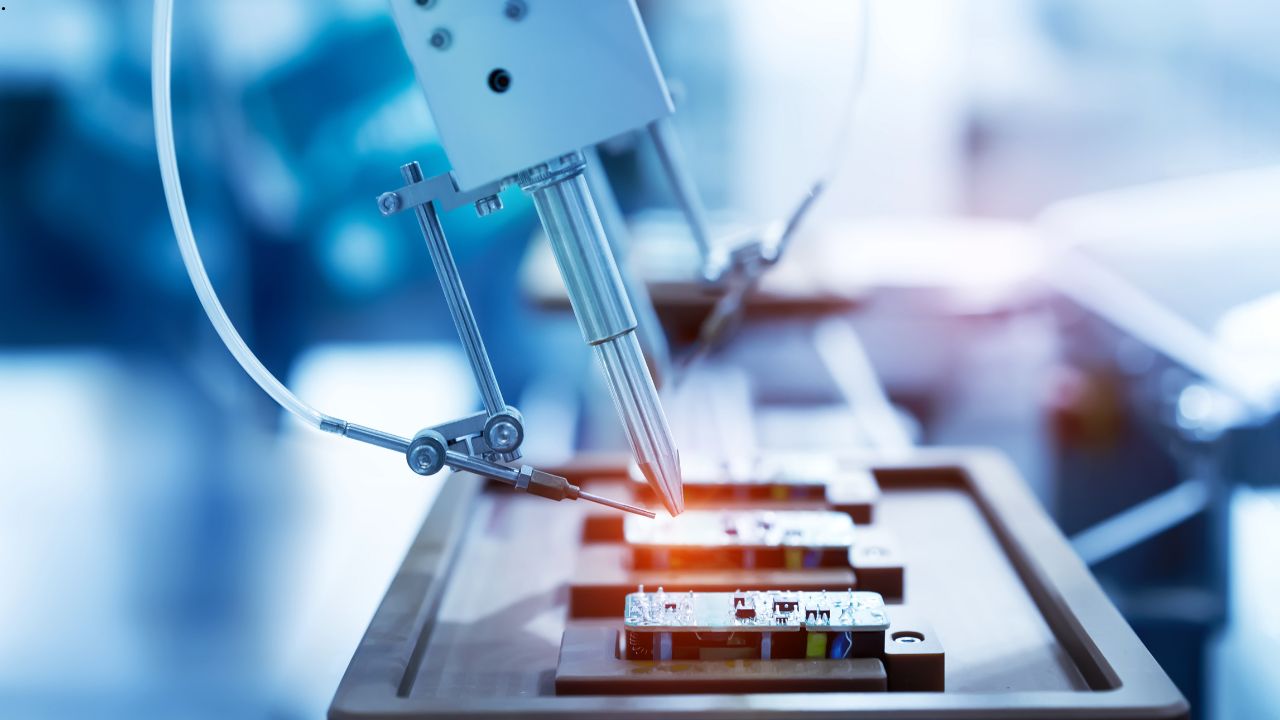
PCB assembly, for example, uses surface-mount technology (SMT) to place tiny components onto boards with great accuracy. One small mistake can mean a product fails. So having a skilled team handle this step is important.
Beyond just assembling parts, good electronics manufacturers also help with testing. They check boards and finished products to catch problems early. This saves money and protects your brand from quality issues in the field.
The Role of Engineering Support
A contract manufacturer is not just a production facility. The best ones act as real partners in product development. They bring in engineering knowledge that helps your product succeed.
Design for Manufacturability, or DfM, is one key example. This process reviews your design before production starts. The goal is to catch issues that could make the product hard or expensive to build. Small changes at the design stage can prevent big problems later.
This kind of electrical design engineering support is especially useful for startups and smaller companies. They may have great ideas but limited production experience. A knowledgeable manufacturing partner can bridge that gap effectively.
From Prototype to Full Production
Most product journeys start with a prototype. This early version lets you test your idea, check the design, and find flaws before committing to large production runs.
Good contract manufacturers support this entire journey. They help you build the first unit, gather feedback, refine the design, and then ramp up. This kind of scalable approach is far more efficient than finding a new partner at every stage.
Furthermore, having one partner handle multiple stages means fewer communication problems. Everyone knows the product, the timeline, and the goals. That consistency leads to better outcomes.
Serving Specialized Industries
Some industries have stricter requirements than others. Medical devices, for instance, must meet tight regulations. Industrial equipment needs to handle tough environments. AI hardware demands precision and speed.
Contract manufacturers that specialize in these areas understand the rules. They know what certifications are needed and how to build products that meet those standards. As a result, companies in these sectors rely heavily on manufacturing partners with proven track records.
Component sourcing is another critical piece. Global supply chains can be unpredictable. A good manufacturing partner has backup suppliers and strong relationships to keep your production on track, even when the market shifts.
Choosing the Right Manufacturing Partner
Not all contract manufacturers are the same. When choosing one, look at their experience in your industry. Check their quality control processes and ask about their testing methods. Consider how they handle communication and whether they offer electrical engineer design support.
Also think about location. Some companies prefer nearshore or onshore manufacturing for faster shipping and easier oversight. Others prioritize cost and choose partners overseas. Both approaches can work, depending on your needs.
- Ask for case studies from their past clients.
- Visit the facility if possible to see the operation firsthand.
- Discuss scalability early so you know they can grow with you.
Building Products That Last
At the end of the day, contract manufacturing is about building things well. It is about getting your product right, keeping costs under control, and reaching your customers on time.
Companies that find the right manufacturing partner gain a real competitive edge. They move faster, spend smarter, and deliver better products. Whether you are launching something new or scaling an existing line, the right partner makes all the difference.
With experienced teams, the right tools, and solid electrical design engineering support, global contract manufacturers help turn good ideas into real, market-ready products. That is a powerful thing for any business looking to grow.