Key Takeaways
- Transparency Matters: Honest disclosures build trust and reduce the risk of legal disputes.
- Home Inspections Are Crucial: Inspections reveal hidden issues and provide leverage during negotiations.
- Inspection-Driven Negotiations: Findings can justify repairs, credits, or price adjustments, benefiting both buyers and sellers.
- Professional Guidance Helps: Experienced agents and certified inspectors streamline processes and protect interests.
- Proactive Problem-Solving: Pre-listing inspections and clear documentation minimize surprises and delays.
- Legal Compliance: Understanding disclosure laws ensures transactions remain above board and avoids penalties.
- Effective Negotiation Strategies: Focus on critical safety and structural concerns, maintain objectivity, and foster cooperation for win-win outcomes.
Table of Contents
Understanding the Importance of Disclosures
Transparency is at the heart of any successful real estate transaction. Sellers are required by law to provide detailed disclosures about the condition of their property, including any existing problems or previous repairs. These disclosures not only protect buyers from unwelcome surprises but also strengthen trust between both parties, setting the stage for a smooth transaction. For those navigating the competitive property market, New York City, NY real estate agents Elegran Real Estate can offer essential guidance on proper disclosure practices and help avoid legal pitfalls.
Honest and thorough disclosures are more than just legal requirements. They embody the integrity of the selling process, assuring buyers that the information provided is accurate and complete. Open communication about issues such as foundational defects, water intrusion, or past structural changes prevents complications later on. By disclosing all material facts upfront, sellers can mitigate the risk of future disputes and potential lawsuits.
The Role of Home Inspections
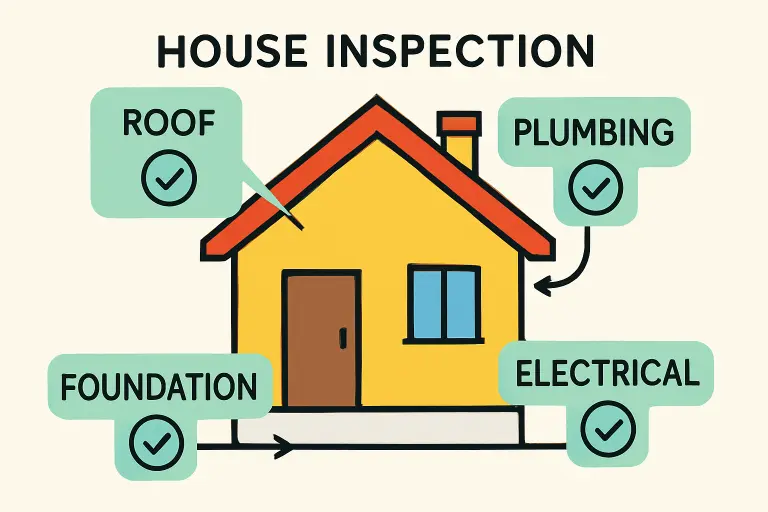
Before finalizing any deal, home inspections serve as a critical step for buyers. A certified inspector evaluates the property’s main systems, checking everything from the roof and exterior to plumbing, electrical wiring, and foundational integrity. These inspections often reveal problems that might not be noticeable during a simple walkthrough. For example, electrical panels may not be up to code, or plumbing could have undetected leaks.
Inspection reports provide buyers with the information they need to make an informed decision. If significant defects are found, the buyer can negotiate with facts in hand, potentially saving thousands of dollars in future repairs. As reported by resources such as The New York Times Real Estate, a comprehensive inspection is a standard best practice in today’s real estate market.
How Inspections Influence Negotiations
Negotiation often hinges on the findings documented during a home inspection. If major issues like a failing roof or foundation cracks are identified, buyers may request repairs, credits, or even a price reduction. On the seller’s side, addressing potential concerns before listing, such as repairing worn windows or servicing HVAC systems, can minimize surprises during negotiations and expedite a faster, more straightforward closing process.
Sellers are advised to conduct pre-listing inspections to identify items that need attention. Resolving these beforehand can justify the asking price and give buyers confidence in the home’s condition. Buyers, meanwhile, must weigh the severity and urgency of reported defects, deciding which points are non-negotiable and which can be resolved post-purchase.
Strategies for Effective Negotiations
Effective negotiation in real estate demands clarity, patience, and a willingness to reach a compromise. Buyers should prioritize requests related to safety or structural integrity rather than cosmetic concerns. Presenting inspection findings with supporting documentation will help ensure that the negotiation remains objective and productive. Sellers should be forthcoming about the steps they have taken to address prior problems and offer reasonable concessions to build goodwill.
Creating a cooperative climate early in negotiations helps both buyers and sellers arrive at win-win solutions. Many professionals rely on proven negotiation strategies to keep discussions productive, manage emotions, and guide both sides toward practical, mutually beneficial agreements. According to Forbes Real Estate, mutual respect and clear communication are essential for favorable outcomes in property transactions.
Leveraging Professional Expertise
Expert guidance can make all the difference during the disclosure, inspection, and negotiation stages. Strong agent support ensures buyers and sellers understand local regulations, complete paperwork correctly, and stay on track throughout every stage of the transaction. Their insight can be vital for overcoming obstacles, managing tight deadlines, and navigating complex scenarios such as multiple-offer situations or unexpected inspection findings.
Professional inspectors provide an unbiased assessment of a home, while experienced agents help interpret reports, draft negotiation strategies, and oversee the execution of purchase agreements. By working with knowledgeable experts, buyers and sellers safeguard their interests and reduce the likelihood of costly mistakes or delays.
Common Challenges and Solutions
Surprises during inspections are among the most common stumbling blocks in real estate transactions. To sidestep delays or deal cancellations, sellers should consider scheduling a pre-listing inspection and resolving any substantial issues beforehand. Buyers, for their part, need to discern which problems represent genuine deal-breakers and which are manageable within their budget or timeline.
Clear documentation, proactive repairs, and setting realistic expectations from the outset help both parties handle unforeseen challenges smoothly. In situations where inspection findings create tension, working with professionals can help clarify options, resolve disputes efficiently, and keep the transaction moving forward.
Legal Considerations
Both buyers and sellers must fully understand their legal obligations regarding disclosures and inspections. Transparency is mandated by law in most states, and omitting material facts can result in lawsuits or regulatory penalties. Proper documentation and consultation with legal experts ensure that each element of the transaction is compliant with current guidelines.
Staying up to date on changes to real estate disclosure laws helps prevent costly legal missteps and ensures a seamless buying or selling experience. Legal professionals can interpret local regulations and help resolve any disputes before they escalate, providing invaluable peace of mind throughout the process.
Final Thoughts
Thorough handling of disclosures, inspections, and negotiations is the cornerstone of a smooth real estate transaction. With transparent communication, detailed inspections, objective negotiations, and guidance from seasoned professionals, buyers and sellers can achieve positive, mutually beneficial outcomes. Adhering to best practices and legal obligations fosters lasting trust and success in every property deal.