Key Takeaways
- Sales automation streamlines repetitive tasks, allowing sales teams to focus on strategic activities.
- Implementing automation tools can lead to significant improvements in productivity and revenue.
- Understanding the benefits and best practices of sales automation is crucial for modern sales teams.
As the sales landscape continues to evolve, digital tools are reshaping the way modern sales teams approach their daily work. Sales automation is at the heart of this transformation, helping organizations automate key tasks and streamline workflows. Automation not only reduces the burden of repetitive manual processes but also empowers sales professionals to spend more time nurturing client relationships and closing valuable deals.
Harnessing the right automation tools can be a game-changer for sales departments trying to scale operations and deliver exceptional customer experiences. By integrating automation platforms, teams can stay organized, follow up more efficiently, and coordinate activities across marketing and support. Ultimately, this leads to productivity gains and a measurable impact on revenue.
The adoption of automation also means that sales leaders and representatives can think more strategically about their engagement tactics. Instead of spending hours on menial tasks like updating CRM fields or sending standard follow-up emails, employees can focus on opportunities that genuinely boost sales performance. Companies that embrace this technology are finding new ways to personalize communication, drive better outcomes, and retain clients in a competitive marketplace.
To fully capitalize on these opportunities, teams must understand the core components, implementation steps, and best practices of sales automation. As new trends like AI-driven insights and multi-channel integration become increasingly prevalent, staying informed can help you stay ahead of the curve.
Table of Contents
Introduction to Sales Automation
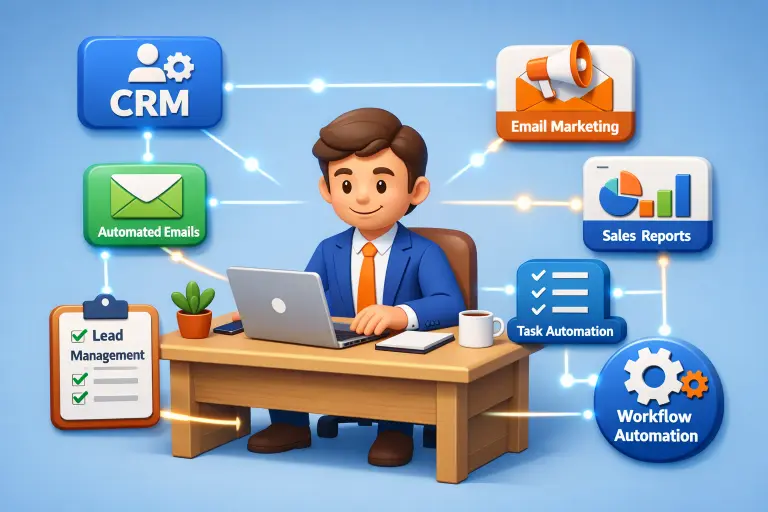
Sales automation refers to the use of digital technology to automate routine tasks that are essential but not necessarily strategic in the sales process. This includes everything from logging communications and updating records to scoring leads and sending follow-up messages. By using digital solutions, organizations can ensure consistency, reduce manual labor, and improve data accuracy throughout the sales cycle.
Benefits of Sales Automation
The introduction of automation into sales processes yields multiple benefits that compound over time:
- Increased Productivity: Teams can handle a larger volume of prospects and clients when they are freed from repetitive manual duties.
- Improved Accuracy: Automated systems help reduce errors that typically occur during manual entry or reminders, providing a clear audit trail for all interactions.
- Enhanced Customer Experience: Automation enables faster responses and more timely follow-ups, leading to higher customer satisfaction and loyalty.
Key Components of Sales Automation
Incorporating automation requires several essential tools that form the backbone of efficient, modern sales organizations:
- Customer Relationship Management (CRM) Systems: CRMs consolidate and centralize customer data, communication history, and deal status in one place. Robust systems allow integration with other sales and marketing tools to provide a comprehensive overview of the customer journey.
- Email Automation Tools: Automated email tools facilitate timely follow-ups and nurture sequences, ensuring prospects feel attended to at each stage of the funnel.
- Lead Scoring Systems: These platforms automatically assess the quality and readiness of leads using predefined criteria to prioritize outreach, ensuring sales teams focus on prospects most likely to convert.
Implementing Sales Automation in Your Team
- Assess Your Needs: Begin by reviewing your current sales process to pinpoint repetitive, time-consuming activities that can be automated, such as scheduling, follow-ups, or report generation.
- Choose the Right Tools: Select software solutions that fit seamlessly with existing platforms. Prioritize options that offer flexibility for your team’s unique needs and have robust support and integration capabilities.
- Train Your Team: Partnering with sales training experts can make onboarding smoother and ensure your team fully benefits from automation tools. Proper guidance helps everyone adopt the systems confidently.
Best Practices for Sales Automation
- Maintain Personalization: Automated messages should feel personal and relevant, not robotic. Use automation to support genuine interaction, not to replace human touch entirely.
- Regularly Update Data: Keep your CRM and automation tools current to ensure all information is accurate and actionable.
- Monitor Performance: Regularly review key performance indicators to identify areas for improvement, making data-driven decisions to optimize your process.
Challenges and Solutions in Sales Automation
Transitioning to automation can present challenges, but they are manageable with deliberate planning:
- Resistance to Change: Mitigate hesitancy by involving the sales team in the selection and implementation of tools. Demonstrate clear value and provide hands-on support as the team transitions.
- Over-Automation: Avoid depersonalization by integrating automated systems that support, rather than replace, person-to-person interactions.
- Data Quality Issues: Conduct regular data audits and cleansing to maintain accurate records and effective automation outcomes.
Future Trends in Sales Automation
- Artificial Intelligence (AI): AI-driven automation tools are enabling predictive analytics and more personalized customer engagement. Platforms harness AI to analyze data patterns, forecast purchase intent, and recommend follow-up times, leading to smarter, more targeted sales strategies.
- Integration with Social Media: Automation is extending beyond email and CRM to include social media, enabling multi-channel prospecting, tracking, and engagement in a single workflow.
Conclusion
Sales automation is transforming how teams operate by reducing manual workload, minimizing errors, and elevating customer engagement. By understanding the systems, implementation strategies, and latest trends, organizations can confidently adapt to a rapidly changing sales environment and achieve sustained growth.