
Keeping a home comfortable in West Texas can place unusual demands on a heating and cooling system. Long stretches of high temperatures, dry conditions, blowing dust, and frequent system use can all contribute to declining performance over time.
Homeowners cannot control the weather, but they can take practical steps to reduce unnecessary strain on their HVAC equipment. A combination of routine maintenance, good airflow habits, sensible thermostat settings, and early attention to warning signs can help a system perform more reliably when outdoor conditions become challenging.
Understand Why Harsh Conditions Matter
An air conditioning system works by transferring heat from inside a home to the outdoors. As outside temperatures climb, that process becomes more demanding. During especially hot periods, an AC unit may operate for longer cycles simply to maintain the temperature selected at the thermostat.
Dust creates another challenge. Fine particles can accumulate on filters, coils, registers, and other components. When enough buildup develops, the system may have to work harder to move the same amount of air.
These factors make preventive care particularly important in dry, hot climates.
Homeowners should pay attention to several conditions that can increase HVAC strain:
- Extended periods of triple-digit or near-triple-digit temperatures
- Frequent dust or wind events
- Clogged or heavily loaded air filters
- Blocked return-air vents
- Leaky or damaged ductwork
- Outdoor equipment surrounded by debris
- Large differences in temperature between rooms
- Repeatedly changing thermostat settings
Individually, some of these issues may appear minor. When several occur at once, however, they can noticeably affect comfort and system performance.
Give the HVAC System Enough Airflow
Good airflow is one of the foundations of an effective heating and cooling system.
The system needs to draw indoor air through return vents, condition it, and distribute it back through supply registers. Restrictions anywhere along that path can make temperature control more difficult.
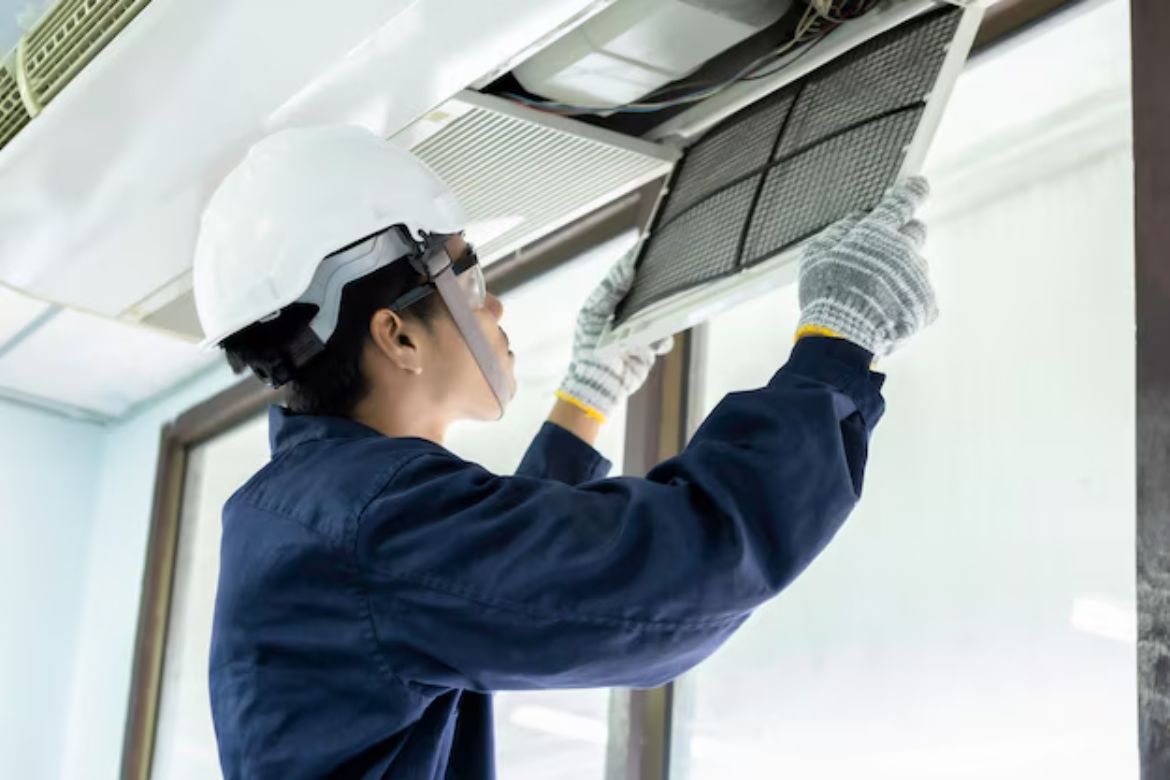
One of the simplest homeowner maintenance tasks is checking the air filter regularly. Replacement frequency depends on the filter, household conditions, system usage, pets, and the amount of airborne dust entering the home. Instead of relying exclusively on a calendar, homeowners can visually inspect the filter periodically and replace it according to the manufacturer’s recommendations.
Furniture can also interfere with airflow. A sofa, cabinet, rug, or other large object placed directly over a register or return can restrict circulation. Keeping vents unobstructed allows conditioned air to move through rooms more effectively.
Closing multiple supply vents in unused rooms may seem like an easy way to save energy, but residential duct systems are generally designed around a particular airflow pattern. Significant changes can create pressure imbalances. Homeowners interested in zoning or controlling temperatures in different parts of a house should discuss appropriate solutions with an HVAC professional rather than simply closing large numbers of vents.
Use the Thermostat Strategically During Hot Weather
Thermostat habits can affect how hard an air conditioner works.
A common misconception is that setting the thermostat dramatically lower will make the house cool faster. Most conventional residential systems do not work that way. They generally cool at approximately the same operating capacity regardless of whether the thermostat is lowered a few degrees or many degrees.
Choosing a reasonable indoor temperature and allowing the system to operate consistently is often more effective than repeatedly making large adjustments.
Programmable and smart thermostats can also help homeowners establish schedules that match their routines. A modest temperature adjustment when the house is unoccupied can reduce unnecessary cooling, while scheduled changes can restore the desired comfort level before occupants return.
However, during extreme heat, homeowners should avoid making dramatic temperature setbacks that require the system to recover during the hottest portion of the afternoon.
The appropriate strategy depends on the home, insulation, HVAC equipment, and household preferences. Consistency is generally more useful than constantly changing settings.
Know the Warning Signs of an HVAC Problem
HVAC problems rarely become more convenient or less expensive simply because they are ignored. Small changes in performance may provide an opportunity to investigate a problem before the system stops operating entirely.
Warning signs worth noticing include unusual sounds, unfamiliar odors, inconsistent temperatures, noticeably weaker airflow, repeated cycling, unexplained increases in energy consumption, or an air conditioner that runs for long periods without reaching the thermostat setting.
Water around indoor HVAC equipment should also be investigated. Condensation is a normal part of air-conditioning operation, but properly functioning systems are designed to manage that moisture. Visible leakage may indicate a drainage problem or another condition requiring attention.
Homeowners should avoid opening electrical compartments, handling refrigerant components, or attempting repairs beyond routine homeowner maintenance. Modern HVAC systems contain high-voltage electrical components and other equipment that requires appropriate training and tools.
For homeowners researching residential heating, cooling, maintenance, ductwork, and indoor air quality services in the Midland area, cainscoolair.com provides additional context about the types of HVAC issues professionals commonly address.
Pay Attention to Ductwork and Indoor Air Distribution
The HVAC unit itself is only part of the comfort system. Ductwork plays an equally important role because it carries conditioned air throughout the home.
Damaged, disconnected, poorly sealed, or improperly sized ducts can make an otherwise functioning HVAC system appear ineffective. If cooled air escapes before reaching the intended rooms, the equipment may run longer while certain areas remain uncomfortable.
Uneven temperatures can provide an early clue.
For example, if one bedroom consistently remains warmer than the rest of the house, the problem is not automatically the air conditioner. The cause could involve ductwork, airflow restrictions, insulation, window exposure, or other characteristics of the room.
Older homes may deserve particular attention because duct systems can be modified repeatedly over several decades. Previous renovations, additions, equipment replacements, or repairs may have changed the original airflow design.
A professional airflow assessment can help distinguish an equipment problem from a distribution problem.
Keep the Outdoor Unit Clear
The outdoor portion of a central air-conditioning system needs adequate space around it to release heat.
Leaves, grass clippings, weeds, windblown debris, and accumulated dirt can interfere with airflow when they collect around the unit. Homeowners can periodically inspect the surrounding area and keep obvious vegetation and loose debris from blocking the equipment.
Landscaping should also be planned carefully. Providing shade can sometimes reduce direct solar exposure, but shrubs or structures placed too close to the unit may restrict airflow and make service access difficult.
Homeowners should never insert tools or hands into HVAC equipment or attempt to dismantle components for cleaning. Basic housekeeping around the unit is appropriate, while internal cleaning and mechanical maintenance should be left to qualified technicians.
Make Preventive Maintenance Part of Homeownership
Waiting for an air conditioner to fail on the hottest day of the year is rarely an ideal maintenance strategy.
Periodic professional inspections can identify issues such as worn components, drainage concerns, airflow restrictions, dirty coils, electrical problems, or deteriorating performance before they develop into larger failures.
Preventive maintenance is especially valuable before periods of heavy seasonal use.
Homeowners can support that process with simple habits throughout the year: checking filters, keeping vents clear, watching for unusual system behavior, maintaining clearance around outdoor equipment, and scheduling professional service when something does not seem normal.
Keeping basic maintenance records can also be useful. Recording filter changes, repairs, inspections, and equipment concerns makes it easier to recognize recurring problems and provides technicians with helpful background information.
Conclusion
Reliable home cooling in West Texas requires more than simply turning down the thermostat. Extreme heat, dust, airflow restrictions, aging ductwork, and neglected maintenance can all influence how effectively an HVAC system performs.
Homeowners who maintain clear airflow, use reasonable thermostat settings, monitor their equipment, keep outdoor units unobstructed, and address warning signs promptly can reduce avoidable stress on their systems.
No HVAC system lasts forever, and unexpected repairs can still happen. However, consistent preventive attention gives homeowners a better chance of identifying problems early and maintaining comfortable indoor conditions through demanding weather.