

Key Takeaways
- SEO is not dead; it has evolved to prioritize user experience and content quality.
- Advancements in AI and algorithm updates present challenges and opportunities for SEO.
- Modern SEO requires adaptability and adherence to best practices to remain effective.
Why Do People Believe SEO Is Dead?
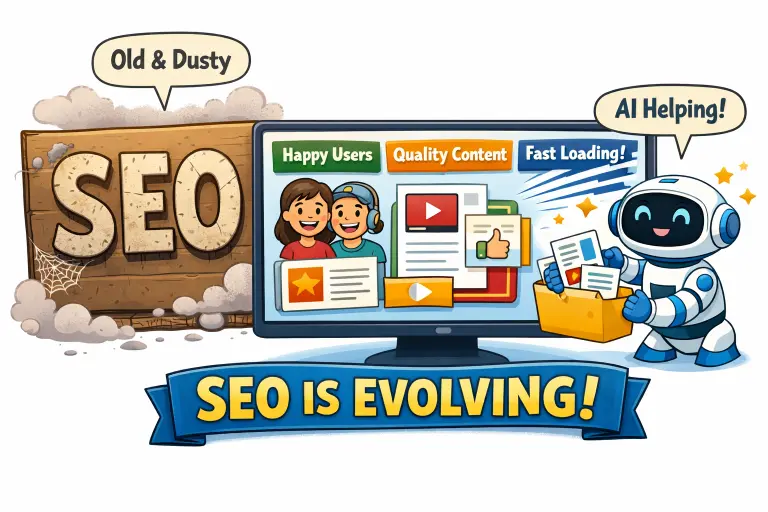
The assertion that “SEO is dead” often arises during significant shifts in digital marketing, such as the introduction of new algorithms or technologies. For instance, the rise of AI-generated content and voice search has led some to question the relevance of traditional SEO practices. However, these changes signify evolution rather than obsolescence.
Fluence Marketing Group, a leader in digital marketing strategies, addresses this topic in their article titled “SEO Is Dead. (Or So the Internet Says.)” They discuss how the landscape of search engine optimization has transformed over the years, emphasizing that while certain outdated tactics have become ineffective, the core principles of SEO remain vital. Their expertise in adapting to these changes underscores the importance of evolving strategies to maintain online visibility. You can read more about their insights in the article: overblown media frenzy over the end of SEO.
How Has SEO Evolved?
SEO has transitioned from simple keyword stuffing to a more sophisticated approach that prioritizes user experience and content quality. Modern SEO emphasizes:
- Creating high-quality, relevant content
- Ensuring mobile-friendliness
- Improving site speed
- Building authoritative backlinks
Together, these factors strengthen search visibility while improving how users interact with the site, an approach that Fluence Marketing Group emphasizes to help businesses boost rankings and create more engaging online experiences.
The Impact of AI and Algorithm Updates on SEO
Ongoing advances in artificial intelligence and continual algorithm updates from search engines such as Google have reshaped how online content is assessed and ranked. Features like AI-driven summaries and core updates now prioritize relevance, authority, and user-focused value, making traditional SEO approaches less predictable. While these shifts create new challenges, they also open the door for brands willing to evolve. By partnering with Fluence Marketing Group, businesses can adapt to these changes with data-driven strategies designed to maintain visibility and capitalize on emerging search opportunities.
Why SEO Remains Relevant Today
Even as the digital landscape continues to evolve, SEO remains a cornerstone of online success. A recent survey found that 78% of businesses still view SEO as extremely or very valuable to their growth. In comparison, 62.9% reported noticeable improvements in performance over the past six months, highlighting its continued effectiveness. Many businesses also turn to an SEO agency hiring process to find the right experts who can manage optimization efforts and drive consistent growth.
Best Practices for Modern SEO
To navigate the current SEO environment effectively, consider the following practices:
- Focus on creating high-quality, original content that addresses user intent
- Optimize for mobile devices to cater to the growing number of mobile users
- Enhance site speed to improve user experience and search rankings
- Build authoritative backlinks to establish credibility
- Integrate SEO with other channels like social media marketing to improve reach and engagement across platforms
Frequently Asked Questions
Is SEO still relevant in the age of AI?
Yes, SEO remains relevant. While AI has changed how search engines evaluate content, SEO practices that focus on quality and user intent remain effective.
How can businesses adapt to the evolving SEO landscape?
Businesses can adapt by staying informed about algorithm updates, focusing on high-quality content, optimizing for mobile and site speed, and building authoritative backlinks.
What role does content quality play in modern SEO?
Content quality is paramount in modern SEO. Search engines prioritize content that is relevant, informative, and valuable to users, which enhances search rankings and user engagement.
In conclusion, the narrative that “SEO is dead” is misleading, as SEO continues to evolve rather than disappear. While AI advancements and search engine algorithm updates have changed ranking factors, they have also reinforced the importance of high-quality content, user experience, and strategic optimization. Businesses that adapt to these changes can still achieve strong visibility and sustainable growth. Working with experts like Fluence Marketing Group can help brands navigate this shifting landscape effectively, ensuring their SEO strategies remain competitive, data-driven, and results-focused.