
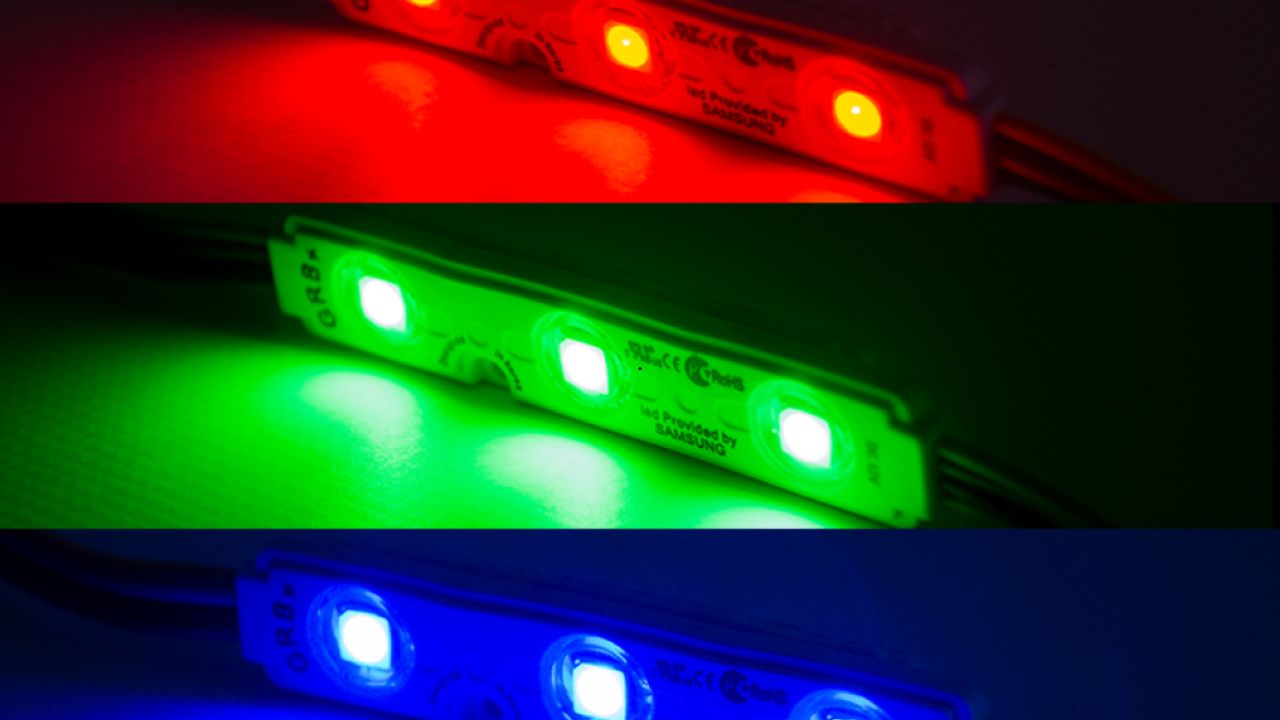
Light is no longer just about brightness. Today, it is about control, design, and efficiency. Whether you walk into a shopping mall, a restaurant, or even a small home studio, chances are you are looking at an https://leduastore.com/led-modules/ doing its job quietly in the background.
These small components have become one of the most useful tools in modern lighting. But most people still don’t know much about them. So let’s break it down in simple terms.
What Is an LED Module?
An LED module is a small unit that holds one or more LED lights on a circuit board. It is built to be used inside larger lighting products. Think of it as a building block. You combine these blocks to create signs, displays, light boxes, and much more.
Most modules run on low voltage. They are also sealed, so they handle moisture and dust well. This makes them useful for both indoor and outdoor setups.
At Ledua Store, you can find a wide range of these modules. They come in different sizes, colors, and brightness levels. So no matter what your project is, there is likely a module that fits.
Why So Many People Are Switching to LED Modules
The shift to LED lighting has been going on for years. But the rise of modular LED systems has taken things even further. Here is why people are making the switch:
- Lower energy use: LED modules consume far less power than older bulb types. Over time, this means real savings on electricity bills.
- Longer life span: A good LED module can last tens of thousands of hours. You replace them much less often than traditional lights.
- Flexible design: Because they are small and modular, you can arrange them in almost any shape or layout. Curved signs, straight strips, grids — it all works.
- Less heat: Old lighting systems got hot. LEDs stay cool, which is safer and also protects the materials around them.
When it comes to long-term performance, choosing the right supplier matters just as much as the technology itself. Working with trusted LED manufacturers ensures better durability, stable brightness, and consistent quality across large installations.
Where Are LED Modules Used?
This is where things get interesting. The use cases for an LED module are wider than most people think.
Signage and advertising is probably the biggest area. Almost every backlit sign you see today uses LED modules inside. Modern advertising is also evolving with new display technologies like transparent LED displays, which allow brands to create eye-catching visuals without blocking background visibility. This is becoming especially popular in retail windows and premium storefronts. The light is even, bright, and consistent — which is exactly what you need when you want your brand to stand out.
Retail stores use them to highlight shelves and products. A well-lit product simply sells better. So stores invest in good lighting, and LED modules make that easy and affordable.
Homes and interior design have also caught on. Architects and interior designers use these modules for under-cabinet lighting, ceiling features, and accent walls. The result is a clean, modern look that you cannot easily achieve with traditional bulbs.
Stage and event lighting is another growing area. Because the modules are durable and bright, they work well in live settings. Music events, exhibitions, and product launches all use them today.
How to Choose the Right One
Not all LED modules are the same. Before you buy, it helps to think about a few things.
Color temperature matters a lot. Warm white feels cozy and soft. Cool white is crisp and bright. Daylight white falls in between. Think about the mood you want to create before picking.
Waterproofing is also something to consider. If the module will be used outdoors or in a humid space, you need one with a good IP rating. This rating tells you how well it handles water and dust.
Brightness, measured in lumens, tells you how much light the module puts out. More lumens means more light. But brighter is not always better. Match the brightness to your space and purpose.
Voltage compatibility is technical but important. Make sure the module works with your existing power setup. Most LED modules run on 12V or 24V DC, but always double-check before purchasing.
If you are not sure where to start, browsing through Ledua Store is a good first step. The product descriptions are clear, and the range covers most common use cases.
Installation Tips That Make a Difference
Installing LED modules is not hard, but a few tips can save you time and frustration.
- Plan your layout first: Sketch out where you want the light to go before you start. This helps you figure out how many modules you need and where to place them.
- Use the right adhesive or mounting clips: Some modules come with adhesive backing. Others need clips. Either way, make sure the surface is clean and dry before you attach anything.
- Manage your wiring neatly: Messy wiring can lead to short circuits. Take your time and keep things organized. Use cable clips or channels to keep wires in place.
- Test before you seal everything: Always power up the modules before closing up your sign or fixture. Fixing a problem early is much easier than undoing finished work.
The Future of LED Module Technology
The technology is still moving forward. Newer modules are getting even smaller and more efficient. Some now come with smart features, which means you can control them using an app or a timer.
Color-changing modules are also becoming more common. These let you switch between colors or create dynamic effects. For retail displays and events, this adds a whole new level of creativity.
As costs continue to fall, LED modules are becoming accessible to more people. What was once a tool mainly for large businesses is now something a homeowner or small shop owner can easily use.
The simple truth is this: if you are working on any kind of lighting project, an LED module is almost certainly the right tool to consider. They are reliable, affordable, and versatile. And as the technology keeps improving, they will only get better.
Whether you are lighting a sign, a shelf, or an entire room, starting with quality components makes all the difference. Visit https://leduastore.com/ to explore options that match your project and budget.