Sheet metal fastening is a critical aspect of manufacturing, construction, and mechanical engineering. Proper fastening ensures structural integrity, safety, and durability of assemblies. One key consideration when joining sheet metal components is how the load is distributed across the fasteners and the material itself. Inadequate load distribution can lead to stress concentrations, material deformation, or even catastrophic failure. This article explores the most common load distribution methods in sheet metal fastening and the benefits of each approach.
Table of Contents
Understanding Load Distribution in Sheet Metal
Load distribution refers to the way mechanical forces are transferred from the fastener to the surrounding sheet metal. When a fastener such as a screw, bolt, or rivet is tightened, the surrounding metal experiences localized stress. If the stress is too high, it can cause tearing, cracking, or bending. Therefore, designing effective load distribution methods is essential to ensure that forces are spread evenly, reducing the risk of damage and extending the life of the assembly.
Types of Fasteners Used in Sheet Metal
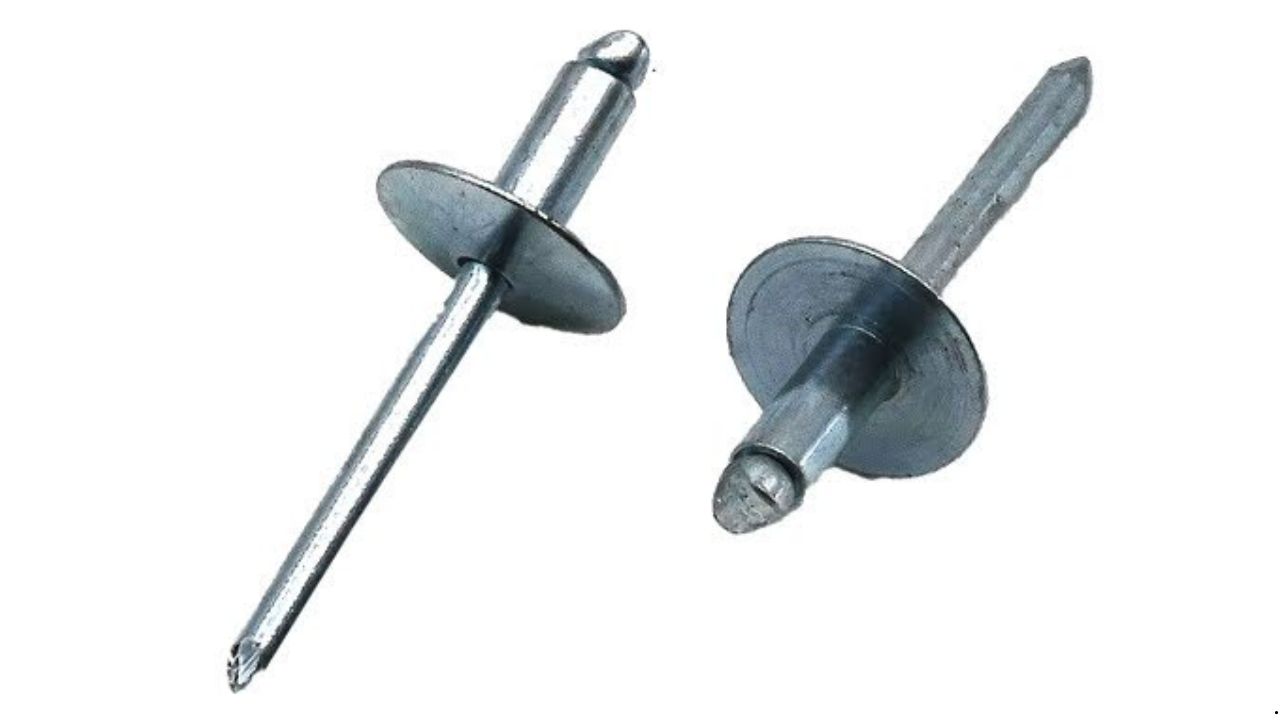
Several types of fasteners are commonly used in sheet metal applications, including screws, bolts, rivets, and specialty fasteners. Among these, large flange rivets are particularly effective for distributing loads over a wider area. Unlike standard rivets, which concentrate stress in a small region, large flange rivets spread the pressure across the surface of the sheet metal. This reduces the likelihood of material deformation and improves overall joint strength.
Other fasteners, such as self-tapping screws or threaded inserts, can also contribute to load distribution when used with washers or backing plates. Selecting high-quality components—often sourced from experienced metal working companies in China—plays a critical role in achieving reliable fastening performance, especially for large-scale manufacturing projects.
Using Washers for Load Distribution
Washers are simple yet highly effective tools for distributing loads in sheet metal fastening. A washer placed between the fastener head and the sheet metal spreads the clamping force over a larger area. This reduces the risk of the metal tearing or deforming under stress.
There are several types of washers available:
- Flat washers: Provide a basic method to increase the contact area under the fastener head.
- Fender washers: Larger than standard washers, fender washers offer even greater surface area and are ideal for thin sheet metals.
- Lock washers: While primarily used to prevent loosening, they can also help stabilize the load in certain applications.
Using washers in combination with large flange rivets can dramatically improve load distribution and extend the service life of the assembly.
Multi-Fastener Arrangements
Another effective method for distributing load in sheet metal is using multiple fasteners in a strategic arrangement. Instead of relying on a single fastener to carry the entire load, designers can use two or more fasteners spaced at calculated distances to share the mechanical stress.
Common configurations include:
- Linear arrangement: Fasteners placed along a straight line to evenly share tensile or shear loads.
- Staggered arrangement: Fasteners offset in multiple rows to reduce stress concentration and improve overall joint stability.
- Circular or radial arrangement: Used for components such as flanges or panels subjected to rotational forces, helping distribute the load evenly across the surface.
These configurations prevent localized overloading and enhance the overall reliability of the assembly.
Backing Plates and Reinforcements
In situations where sheet metal is thin or the applied load is particularly high, backing plates or reinforcements can be used to improve load distribution. These components act as secondary layers that absorb and spread out forces from the fasteners.
Backing plates are typically made from stronger metals or composite materials and are placed on the opposite side of the fastened joint. They are especially useful when working with large flange rivets, as they complement the wide head of the rivet and further minimize stress concentrations.
Adhesive and Hybrid Methods
While mechanical fasteners are the most common method for joining sheet metal, adhesives can be used as a supplementary load distribution technique. Structural adhesives bond the metal surfaces together, sharing the mechanical stress along the entire joint rather than focusing it on discrete fasteners.
Hybrid methods, which combine mechanical fasteners and adhesives, are becoming increasingly popular in industries such as automotive and aerospace. In fact, understanding how automotive fasteners ensure vehicle safety highlights why proper load distribution, vibration resistance, and fatigue performance are essential in critical, safety-focused applications.
Importance of Proper Installation
Even the best load distribution methods can fail if the fasteners are improperly installed. Key installation considerations include:
- Ensuring the correct torque is applied to avoid over-tightening or under-tightening.
- Using washers or backing plates as specified in design guidelines.
- Selecting the appropriate fastener type and size for the sheet metal thickness and load requirements.
- Regular inspection of fastened joints to identify signs of wear, deformation, or loosening.
Proper installation practices complement load distribution techniques and maximize the strength and reliability of sheet metal assemblies.
Conclusion
Load distribution is a fundamental factor in the performance of sheet metal fastening. Techniques such as using large flange rivets, washers, multi-fastener arrangements, backing plates, and adhesive hybrids all contribute to spreading mechanical stress and enhancing joint durability. By carefully selecting the right fasteners and incorporating effective load distribution methods, engineers and technicians can ensure safer, longer-lasting sheet metal assemblies that meet both structural and operational requirements.
Understanding and applying these methods is essential for anyone working with sheet metal, whether in construction, manufacturing, or industrial maintenance. A well-distributed load not only prevents material failure but also improves overall assembly efficiency and reliability.