Key Takeaways
- Bold Colors and Rich Textures: The resurgence of deep hues and tactile materials, from velvets to chenille, brings a vibrant and inviting atmosphere to living spaces.
- Sustainable Materials: Environmentally responsible choices, including recycled wood, reclaimed metal, and fast-growing bamboo, are setting new standards for conscious design.
- Curved and Organic Shapes: Furniture with soft, flowing lines creates greater comfort and energizes interiors with visual interest and natural harmony.
- Multifunctional Furniture: Versatile pieces intentionally designed to fulfill several roles are essential for maximizing both utility and style in modern homes.
- Vintage and Antique Accents: Incorporating unique, timeworn pieces adds depth and sustainability, connecting contemporary spaces to the craftsmanship of the past.
As we enter 2026, furniture design is experiencing major changes by merging creativity, environmental concerns, and practicality. Homeowners and designers are moving away from uniformity to create personalized spaces that reflect individual tastes and modern lifestyles. Whether updating a city loft, family home, or a single room, current trends open new options. The mix of vibrant decor, sustainable materials, and functional designs is elevating standards for beautiful, livable homes. If you’re searching for exceptional furniture to help realize your vision, or just looking for cutting-edge inspiration, browsing through offerings like luxury home furniture in Salt Lake City can spark your creativity and set your space apart.
The role of the interior designer continues to evolve, as today’s innovators push past the subdued tones and razor-sharp lines of minimalism. Instead, they are embracing a richer, moodier palette, as well as tactile, sensory surfaces that bring personality and movement to the home. At the same time, designers are blending modern pieces with timeless storage solutions like china cabinets to add both elegance and functional character to contemporary interiors. Altogether, this approach cultivates spaces that radiate warmth, authenticity, and a lived-in comfort that feels inviting rather than staged. It’s a bold and mindful shift, one that prioritizes both conscious material selection and thoughtful, longer-lasting investments in furniture.
Table of Contents
Bold Colors and Rich Textures
The momentum away from stark minimalism is unmistakable as designers display a growing love for color saturation and plushness. Vibrant living rooms in 2026 often feature jewel-toned sofas, think emerald, sapphire, and amethyst, providing a luxurious anchor for the space. Accent walls in deep teal, olive, or dramatic burgundy elevate the mood. On top of that, layers of texture, like velvet throw pillows, chenille ottomans, or buttery leather armchairs, invite touch and create physical warmth. This trend offers a chance to bring personal flair into your home: rich hues and sensory surfaces linger in the memory, helping interiors feel one-of-a-kind. For guidance and a closer look at these techniques in practice, you can find inspiration in Homes & Gardens’ interior trend feature, which showcases how bold palettes and tactile finishes set the stage for meaningful, expressive living.
Sustainable Materials
Designers and consumers alike are growing more conscious about the environmental impact of their choices, making sustainability a driving force in 2026’s furniture trends. Brands are investing in materials that are both planet-friendly and striking in design, such as reclaimed or upcycled wood, fast-renewing bamboo, FSC-certified timber, or recycled plastics. Sourcing responsibly not only minimizes harm but also celebrates the unique imperfections and character marks of reused objects. These eco-focused pieces frequently serve as conversation starters, and many designers highlight the importance of durability and longevity, encouraging people to buy fewer, better items. The growing desire for transparency is pushing companies to openly share their production practices.
Curved and Organic Shapes
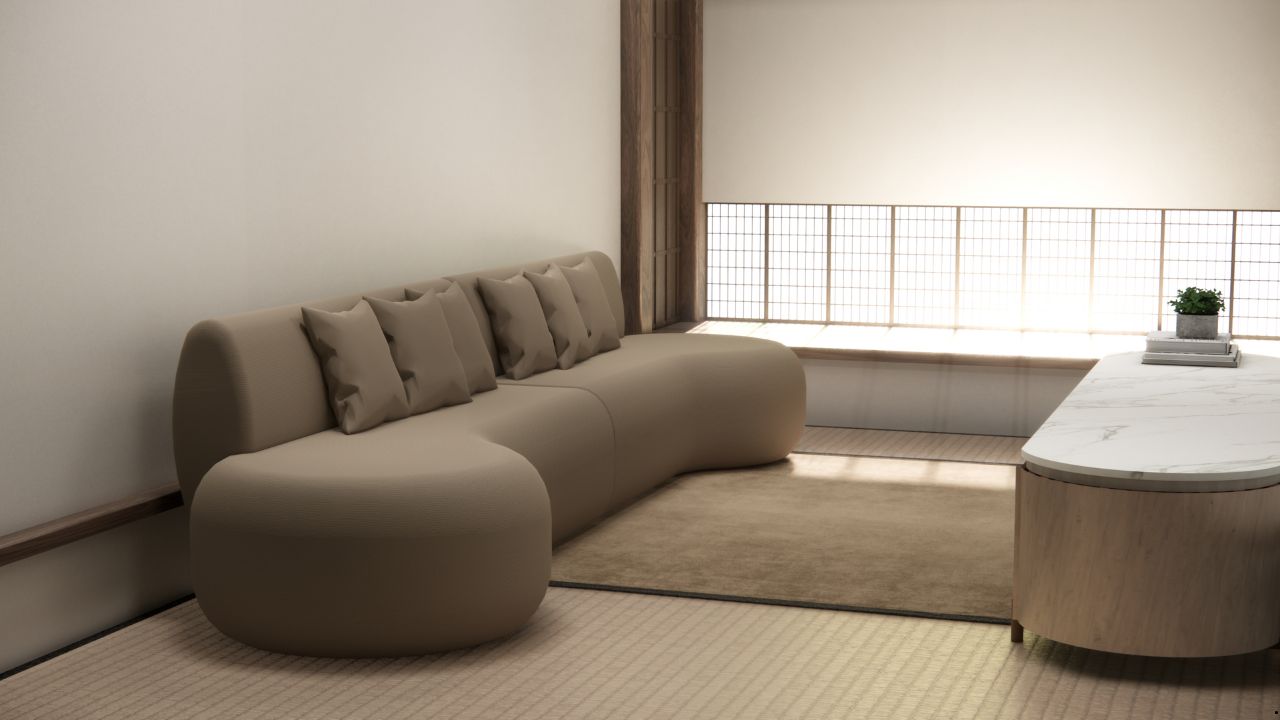
The stark, rectilinear lines once synonymous with modern design are taking a back seat to curved and organic shapes that echo natural forms. Imagine plush, gently sloping sofas that envelop you, rounded coffee tables that encourage conversation, and lounge chairs that seem almost sculpted by hand. These gentle, flowing outlines create interiors that feel more relaxed and less formal, blurring the boundaries between utility and art. Such shapes also reflect biophilic design principles, which aim to mimic the calming, harmonious qualities of the natural world, fostering restorative, inviting environments. Beyond aesthetics, these curves provide ergonomic advantages, offering support and comfort tailored to contemporary, flexible lifestyles. This embrace of softness signals a collective shift towards nurturing, human-centered spaces.
Multifunctional Furniture
The accelerating pace of life means homes must now serve as workspaces, family hubs, gyms, and sanctuaries, all within the same footprint. Multifunctional furniture steps up to this challenge with creativity. Modular sectionals reconfigure for parties or movie nights, dining tables expand for entertaining, and beds come with built-in drawers for storage. Desks that fold away, ottomans that double as secret cabinets, and shelving that transforms into guest beds cater to small apartments or open-plan layouts. This isn’t about compromise; it’s a thoughtful response to the demand for space-saving solutions that suit new ways of living. Importantly, today’s smart designs do not force homeowners to sacrifice style. Instead, they combine clean lines, luxurious finishes, and everyday practicality, ensuring dynamic spaces that look as good as they function.
Vintage and Antique Accents
One of the most notable movements in furniture design is the return to vintage and antique elements, a response to sustainability, nostalgia, and the desire to create rooms with character. Sourcing an heirloom-quality mid-century sideboard, repurposing a weathered dining table, or artfully arranging flea market finds brings both history and personality into contemporary interiors. These pieces often become natural focal points, especially when incorporating Victorian design elements that bring elegance, tradition, and timeless charm into modern homes. Embracing second-hand treasures also means reducing our reliance on newly produced items, further championing eco-consciousness. Smaller details, like decorative lighting and modern lamps, can enhance ambiance while highlighting the craftsmanship and personality of a well-designed space.
Conclusion
The most inspiring furniture trends for 2026 showcase a harmonious blend of expressive artistry, environmental values, and solution-driven adaptability. Interiors that thrive in this new era prioritize bold coloring, innovative material choices, and welcoming forms, while also honoring the past with meaningful, storied pieces. By championing these principles, boldness, sustainability, flexibility, and history, we unlock the ability to design homes that truly nourish the human spirit, support evolving ways of living, and remain visually stunning for years to come. Whether you are building from scratch or introducing a few key items, these trends offer guidance toward creating spaces filled with individuality, functionality, and joy.