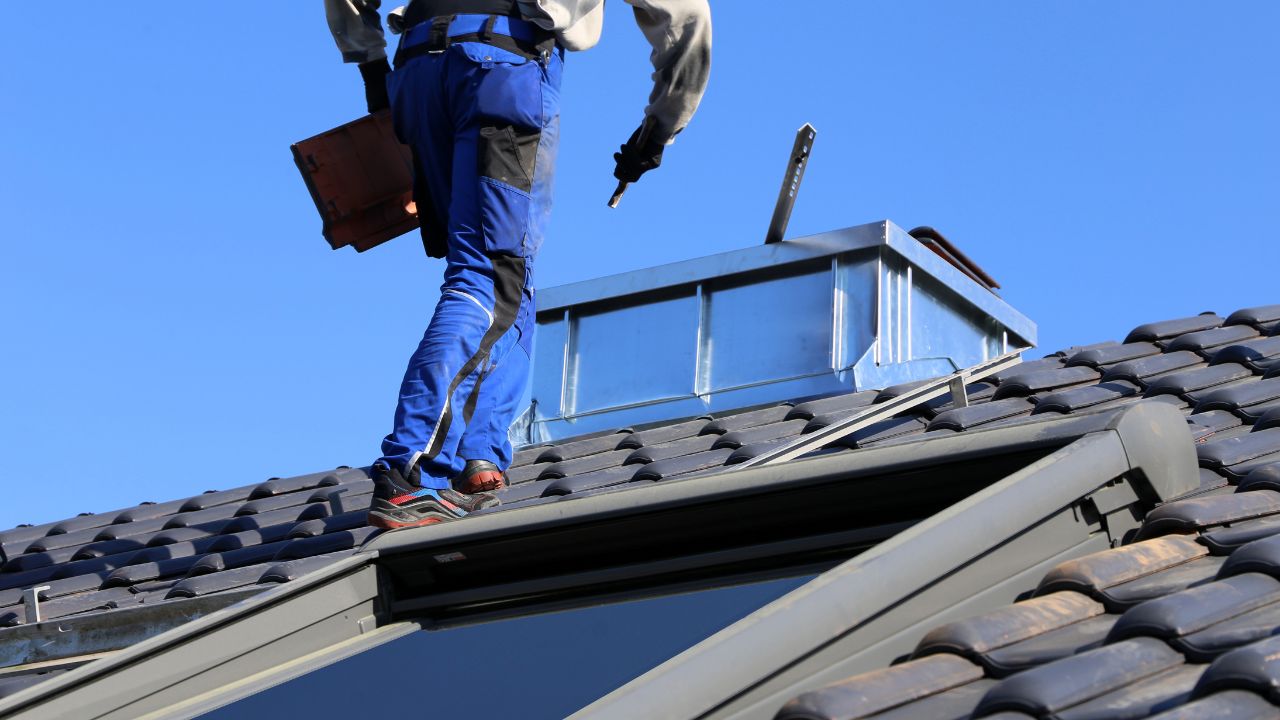
Roof restoration significantly improves the structural integrity, weather resistance, and service life of an ageing roof. However, from a technical standpoint, restoration marks the beginning of a maintenance phase rather than the end of roof management. In Melbourne’s variable climate, post-restoration care is critical to preserving performance outcomes and avoiding premature deterioration.
This aftercare guide outlines practical, evidence-based maintenance measures recommended by roofing professionals for residential properties across Melbourne.
Table of Contents
Environmental Factors Affecting Restored Roof Systems
Melbourne roofing systems are exposed to cyclical thermal expansion, wind uplift, airborne debris, and prolonged moisture exposure. These conditions place ongoing stress on ridge assemblies, tile interlocks, flashings, and roof coatings.
Even when restoration is completed to industry standards, environmental loading can gradually compromise individual components. Routine assessment and preventative maintenance are therefore essential for long-term roof stability.
Annual Condition Assessments and Compliance Checks
From a technical perspective, an annual roof condition assessment is a minimum requirement for restored roofs. Inspections should focus on:
- Ridge capping adhesion and mortar integrity
- Tile alignment, cracking, and surface erosion
- Flashing interfaces around penetrations
- Valley linings and water discharge points
Professional inspections also confirm that the roof continues to meet Australian Standards and local compliance expectations. Early identification of minor defects reduces the likelihood of future structural repairs.
Drainage Performance and Water Management
Effective water management is fundamental to roof longevity. Blocked gutters and valleys disrupt water flow, increasing hydrostatic pressure beneath tiles and accelerating deterioration of underlayment materials.
Post-restoration maintenance should include scheduled clearing of gutters, downpipes, and valley channels, particularly in tree-dense Melbourne suburbs. Maintaining unobstructed drainage significantly reduces moisture-related roof failures.
Load Management and Roof Access Control
Restored tile roofs are not designed for regular access. Concentrated point loads caused by foot traffic can fracture tiles and dislodge ridge components.
All roof access should be limited to trained professionals using controlled access methods. In practice, a large proportion of post-restoration damage arises from unregulated foot traffic rather than material failure.
Early Indicators of System Degradation
Monitoring restored roofs for early-stage degradation is a critical preventative strategy. Indicators requiring professional assessment include:
- Hairline cracking in tiles or coatings
- Minor ridge movement or pointing separation
- Discolouration associated with moisture retention
- Internal ceiling staining following rainfall
If left unresolved, these conditions can progress into larger repair requirements such as tile roof repair Melbourne, particularly when moisture infiltration affects roof battens and sarking.
Ridge Assembly Integrity and Repointing Performance
Ridge capping stability is central to wind resistance and tile retention. Bedding mortar naturally degrades over time due to thermal cycling and environmental exposure. Modern flexible pointing systems are designed to absorb movement while maintaining a weather-tight seal.
Where deterioration is identified, targeted intervention such as roof repointing Melbourne restores structural performance without disrupting the broader roofing system.
Protective Coatings and Surface Maintenance
Roof coatings applied during restoration serve both aesthetic and functional roles, providing UV resistance and limiting moisture absorption. Maintaining surface cleanliness and preventing biological growth extends coating life and preserves thermal efficiency.
High-pressure cleaning should only be undertaken following professional assessment, as excessive pressure can compromise tile surfaces and protective layers.
Engaging Ongoing Roofing Expertise
Long-term roof performance depends on access to qualified local roofing professionals who understand Melbourne’s environmental conditions and construction standards. Scheduled maintenance programs provide continuity of care and reduce reliance on reactive repairs.
Conclusion
Melbourne tile roof restoration delivers measurable structural and protective benefits, but its success is determined by post-restoration maintenance. Melbourne homeowners who implement structured aftercare programs significantly extend roof lifespan, maintain compliance, and reduce long-term ownership costs.