
Every vehicle requires regular maintenance and occasional component replacement to remain reliable, safe, and efficient. Whether someone owns a family car, operates a commercial vehicle, or manages an automotive workshop, finding suitable replacement parts is an important part of vehicle maintenance. Components naturally experience wear over time, while unexpected mechanical or electrical problems can also require repairs. Choosing the right replacement parts can help restore vehicle functionality, prevent recurring problems, and support long-term reliability.
Modern vehicles contain thousands of individual components, ranging from basic filters and belts to sophisticated electronic control modules and engine assemblies. Each component has specific requirements, and selecting an unsuitable replacement can lead to compatibility issues or additional mechanical problems. This makes accurate identification, product quality, and supplier reliability essential considerations when purchasing automotive components.
Vehicle owners and automotive professionals looking for suitable automotive replacement parts can explore specialist product resources to understand the different components and solutions available. Having access to relevant information makes it easier to compare options and identify products that meet specific vehicle requirements.
Why Quality Replacement Parts Matter
Replacement parts play a significant role in maintaining a vehicle’s overall condition. Even a relatively small component can affect the operation of a larger mechanical or electrical system. For example, a damaged sensor may interfere with engine management, while worn suspension components can affect handling and driving comfort.
Using appropriate replacement components helps maintain the vehicle’s intended operating characteristics. Quality parts are generally manufactured to meet specific technical requirements, including dimensions, materials, operating temperatures, and performance standards.
Choosing products based only on their initial price can sometimes result in additional expenses. Low-quality components may wear out prematurely, require repeated replacement, or cause problems with connected systems. Considering durability, compatibility, and warranty coverage can therefore provide better value over time.
Understanding Different Types of Automotive Replacement Parts
Automotive replacement parts are available in several categories, each serving a different purpose. Understanding these categories can help buyers make more informed decisions.
Engine Components: These include pistons, gaskets, timing components, oil pumps, filters, and other parts involved in engine operation. Their specifications are particularly important because engine components operate under demanding temperatures and mechanical loads.
Electrical Components: Modern vehicles depend on electrical systems for starting, charging, lighting, communication, and engine management. Replacement components may include alternators, starters, sensors, switches, wiring, and electronic modules.
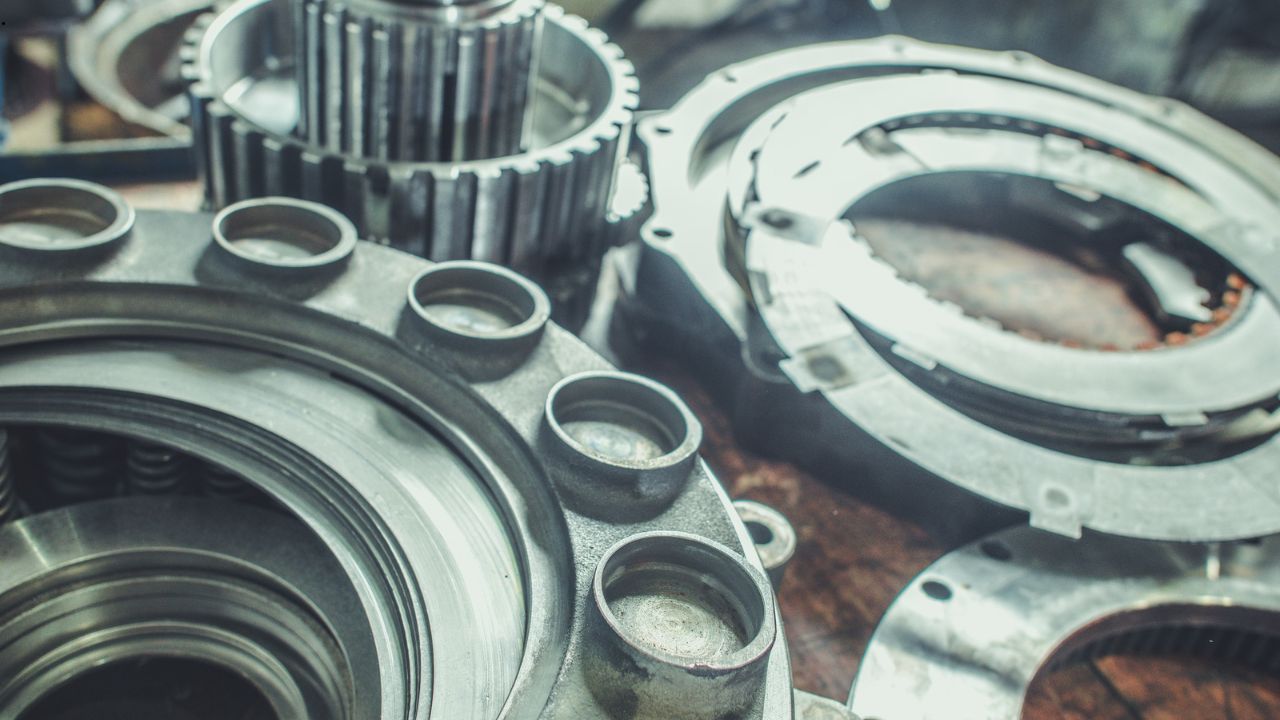
Transmission Components: Transmission systems transfer engine power to the wheels. Depending on the vehicle, replacement parts may include clutches, bearings, seals, gears, and control components.
Suspension and Steering Parts: Shock absorbers, control arms, bushings, ball joints, and steering components help maintain vehicle stability and handling.
Brake Components: Brake pads, discs, calipers, and associated hardware are essential for safe vehicle operation. These parts should always meet the appropriate vehicle specifications and safety requirements.
Body and Interior Components: Mirrors, handles, lighting assemblies, dashboard components, and trim pieces help maintain the vehicle’s appearance and functionality.
Understanding which category a component belongs to makes it easier to research the correct replacement.
OEM vs Aftermarket Replacement Parts
One of the most common decisions when purchasing automotive components is choosing between Original Equipment Manufacturer (OEM) parts and aftermarket alternatives.
OEM parts are supplied through the vehicle manufacturer’s approved parts channels and are intended to match the relevant factory specifications. They are often preferred when exact compatibility and predictable fitment are particularly important.
Aftermarket parts are manufactured by independent companies. They are available in different quality levels and price ranges, providing buyers with additional options.
Neither category is automatically the best choice for every repair. The decision depends on the component, manufacturer reputation, technical specifications, warranty, and intended application.
For example, a reputable aftermarket filter may be a practical choice for routine maintenance, while a vehicle-specific electronic module may require an OEM replacement or an approved equivalent.
Before purchasing, compare the specifications rather than relying entirely on packaging or brand names.
How to Identify the Correct Replacement Part
Correct identification is one of the most important steps when purchasing automotive components. Vehicles with the same model name can have different engines, transmissions, production dates, and equipment packages.
The following information can help identify compatible parts:
- Vehicle make and model: Start with the manufacturer’s name and exact vehicle model.
- Manufacturing year: Different production years may use different component designs.
- Engine specifications: Record the engine type, capacity, and engine code where available.
- VIN information: The Vehicle Identification Number can help identify the vehicle’s specific configuration.
- Original part number: Compare the number on the existing component with the replacement product’s reference number.
- Physical specifications: Check dimensions, connectors, mounting points, and other relevant details.
Using these details together reduces the likelihood of ordering an incompatible component. When there is uncertainty, consulting a qualified technician or reputable parts supplier is a sensible approach.
Common Signs That Your Vehicle May Need Replacement Parts
Recognising early warning signs can help prevent minor mechanical problems from becoming more serious.
Some common indicators include unusual noises, vibrations, fluid leaks, dashboard warning lights, reduced engine performance, and changes in braking or steering behaviour.
For example, squealing or grinding noises from the braking system may indicate worn brake components. Difficulty starting a vehicle could be associated with the battery, starter motor, alternator, or electrical connections.
Similarly, unusual suspension noises or uneven tyre wear may suggest worn suspension components or alignment problems.
It is important not to assume that a particular symptom always identifies a specific failed part. Proper inspection and diagnostic testing should be used to establish the underlying cause before purchasing replacements.
The Importance of Reliable Automotive Parts Suppliers
Choosing a reliable supplier is just as important as selecting the correct component. Automotive parts vary considerably in quality, availability, and warranty coverage.
A reputable supplier should provide clear product descriptions, accurate compatibility information, and details about the manufacturer. Buyers should also review return policies and warranty conditions before placing an order.
For businesses and professional mechanics, supplier consistency can make a significant difference. Having access to dependable parts helps workshops plan repairs, manage customer expectations, and reduce delays.
It is also worth checking whether replacement parts include the necessary installation hardware, seals, brackets, or other supporting components. Purchasing a complete solution can sometimes simplify the repair process.
How Regular Maintenance Reduces Replacement Costs
Although replacement parts are sometimes unavoidable, proper maintenance can help reduce unnecessary component failures.
Following the manufacturer’s recommended servicing schedule is a good starting point. Regular oil changes, filter replacements, fluid inspections, and tyre maintenance can help keep important vehicle systems operating correctly.
Drivers should also pay attention to unusual sounds, changes in vehicle behaviour, and dashboard alerts. Addressing problems early may prevent additional components from becoming damaged.
For example, replacing worn belts at the recommended interval can help prevent unexpected failures. Similarly, checking the cooling system can help identify leaks before they contribute to engine overheating.
Keeping maintenance records is another useful practice. Service history helps vehicle owners track previous repairs and identify components that may require attention in the future.
Choosing Replacement Parts for Long-Term Reliability
The best replacement part is not necessarily the cheapest or most expensive option. It is the component that meets the vehicle’s technical requirements, offers appropriate quality, and suits the intended application.
Before making a purchase, consider the manufacturer’s reputation, material quality, compatibility, warranty, and installation requirements.
Safety-critical components deserve particular attention. Braking, steering, suspension, and electronic safety systems should only be repaired using suitable components that meet applicable specifications.
Professional installation may also be necessary for complex repairs involving programming, calibration, specialist tools, or precise adjustment procedures.
Taking these factors into account helps protect the vehicle and reduces the possibility of repeated repairs.
Conclusion
Replacement parts are essential for maintaining vehicle performance, reliability, and safety. From engine and transmission components to electrical equipment, suspension systems, and body accessories, every part has a specific function within the vehicle.
Choosing suitable replacements requires accurate vehicle identification, careful specification checks, and attention to product quality. Understanding the differences between OEM and aftermarket components can also help buyers make better purchasing decisions.
By combining regular maintenance with reliable replacement parts and professional installation where necessary, vehicle owners can keep their vehicles in better condition and avoid many unnecessary repair complications. Making informed decisions today can contribute to safer driving and more dependable vehicle operation in the long term.