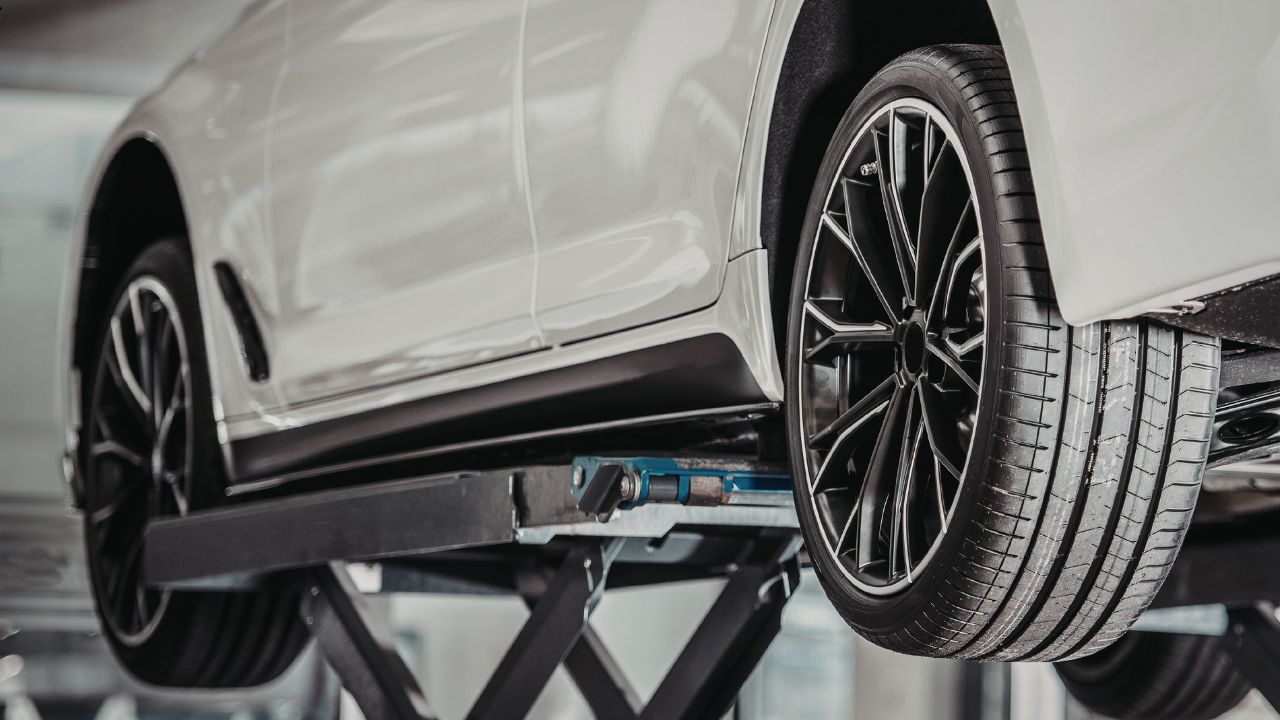
Taking care of your car does not have to be hard. In fact, a little attention can save you a lot of money and stress down the road. Most people wait until something breaks before they think about their car. But that is not the right approach. Regular maintenance keeps your car running well and helps you avoid big repair bills.
Whether you drive every day or just on weekends, these tips will help you stay ahead of problems before they get out of hand.
Table of Contents
Why Regular Car Maintenance Matters
A lot of drivers skip routine check-ups because life gets busy. However, ignoring your car can lead to serious problems. Small issues turn into big ones fast. For example, a small oil leak can damage your engine over time. A worn tire can cause an accident. These are not things you want to deal with later.
Moreover, a well-maintained car holds its value better. So if you ever want to sell it, you will get more money for it. Regular maintenance is an investment, not just an expense. If you’re trying to save money while still taking care of your vehicle, this guide on car maintenance on a budget shares practical ways to cut costs without cutting corners.
Check Your Oil Regularly
- Check your oil at least once a month
- Look at both the oil level and the color
- Dark, dirty oil means it is time for a change
- Fresh oil is golden or light brown in color
Oil is the lifeblood of your engine. Without it, your engine will not last long. Checking it takes about two minutes. Pull out the dipstick, wipe it clean, dip it back in, and check the level. If the oil looks very dark or smells burnt, it is time for a change.
Most cars need an oil change every 3,000 to 5,000 miles. However, some newer vehicles can go up to 10,000 miles depending on the oil type. Always check your owner’s manual for the right schedule.
Do Not Ignore Your Tire Pressure
Tires lose air over time. This is normal. But driving on low tires is dangerous and wastes fuel. Furthermore, it causes your tires to wear out faster than they should.
You can check tire pressure at most gas stations. The right pressure for your car is listed on a sticker inside your driver’s side door. It is also in your owner’s manual. Check your tires once a month, especially before long trips.
Also, do not forget your spare tire. Many people check their four main tires but forget the spare. Then, when they need it, it is flat.
Keep Up With Brake Inspections
Your brakes are the most important safety feature on your car. Therefore, you should never put off getting them checked. If you hear a squealing or grinding noise when you stop, that is a warning sign. Do not wait.
Brake pads wear down over time. When they get too thin, they can damage your rotors. Replacing rotors is much more expensive than replacing pads. So catching the problem early saves you money.
Most shops will inspect your brakes for free during an oil change. Take advantage of that.
Watch Your Coolant Levels
Your engine gets very hot when it runs. Coolant keeps the temperature under control. If your coolant level drops too low, your engine can overheat. That can cause serious and very expensive damage.
Check your coolant level every few months. The reservoir is usually a clear plastic tank near the engine. You can see the level without opening it. If it is low, add the right type of coolant for your car. Do not mix different types.
Also, check for any leaks under your car. A puddle of green, orange, or pink liquid usually means a coolant leak. Get it checked right away.
Replace Air Filters on Time
A dirty air filter hurts your engine’s performance. It reduces fuel efficiency and can cause your car to feel sluggish. However, this is one of the easiest and cheapest fixes you can do.
Air filters should be replaced about every 15,000 to 30,000 miles. That said, if you drive on dusty roads, you may need to change it more often. Your mechanic can check it during a routine visit and tell you if it needs replacing.
Pay Attention to Warning Lights
- Check engine light — could mean many things, do not ignore it
- Battery light — your charging system may have a problem
- Oil pressure light — stop safely and check your oil right away
- Tire pressure light — one or more tires may be low
Your dashboard warning lights are there for a reason. A lot of drivers see a light come on and just hope it goes away. That is not a good idea. Some lights are minor, but others signal serious problems.
If a light comes on and stays on, get it checked soon. Many auto parts stores will read the code for free. From there, you can decide what to do next.
Find a Trusted Auto Repair Shop
Knowing who to call when something goes wrong is just as important as doing regular maintenance. A good mechanic can spot problems early, give you honest advice, and save you from being overcharged.
If you are in the Wheeling area and need reliable car care, https://hi-techrepair.com/ is a great place to start. Hi-Tech Automotive offers complete auto repair and maintenance services. Their team is experienced, and they treat every customer fairly. From oil changes to major repairs, they handle it all.
Finding a shop you trust takes some time. But once you find one, stick with them. A mechanic who knows your car is a huge advantage.
Keep Your Battery in Good Shape
Car batteries usually last three to five years. After that, they can fail without much warning. Cold weather is especially hard on batteries. So if yours is getting old, it is a good idea to have it tested before winter.
Signs of a weak battery include slow engine cranking, dim headlights, and trouble starting in the morning. If you notice any of these, get your battery checked. Most auto shops can test it quickly and for free.
Also, check the battery terminals for corrosion. A white or blue powdery buildup around the terminals can reduce your battery’s power. Cleaning it off is simple and can extend battery life.
Do Not Skip Scheduled Maintenance
Your car’s manual has a maintenance schedule for a reason. It tells you when to change the oil, rotate the tires, check the belts, and replace the spark plugs. Following that schedule keeps your car running like it should.
Many people skip these services to save money in the short term. However, they end up spending much more when something breaks down. Think of scheduled maintenance as preventive care. The same way you go to a doctor before you get sick, you take your car in before something fails.
Simple Habits That Make a Big Difference
- Warm up your car for a minute before driving in cold weather
- Avoid sudden stops and starts to save wear on brakes and tires
- Do not top off your gas tank — it can harm the fuel system
- Clean the inside and outside regularly to prevent rust and wear
Small habits add up over time. And if road noise has been bothering you lately, this helpful car soundproofing guide walks you through simple ways to make your ride quieter and more comfortable. The way you drive and care for your car every day has a big impact on how long it lasts. Being a little more mindful behind the wheel goes a long way.
Final Thoughts
Car maintenance does not have to feel overwhelming. Start with the basics — oil, tires, brakes, and coolant. Build simple habits. Pay attention to warning signs. And find a shop you trust.
Keeping up with your car is one of the smartest things you can do as a driver. It keeps you safe, saves money, and helps your car last longer. The effort is small, but the payoff is big.
If you ever have questions or need professional help, do not hesitate to reach out to a trusted mechanic. Staying on top of your car today means fewer surprises tomorrow.