
Key Takeaways
- Innovations in compostable materials are enhancing the sustainability of flexible packaging.
- Incorporating post-consumer recycled content reduces reliance on virgin plastics.
- Collaborations between industry leaders are driving the development of eco-friendly packaging solutions.
Flexible packaging has fundamentally changed the way goods are stored, shipped, and accessed, providing convenience for both manufacturers and consumers. Yet, as environmental awareness grows, the packaging industry is under increasing pressure to minimize its ecological footprint and prioritize responsible resource use. From industry trendsetters to eco-conscious shoppers, the search for sustainable flexible packaging is a global effort. One company dedicated to advancing these solutions is Belmark, which recognizes the importance of combining product safety with environmental stewardship.
Recent years have witnessed a surge in new materials and production methods that promise to maintain the easy-to-use characteristics of flexible packaging while drastically reducing its impact on the environment. These advances are not only driven by regulatory changes but also by consumer demand for companies to act as responsible stewards of the environment. Today, the industry is seeking materials and practices that offer the right balance of product protection, convenience, and reduced waste.
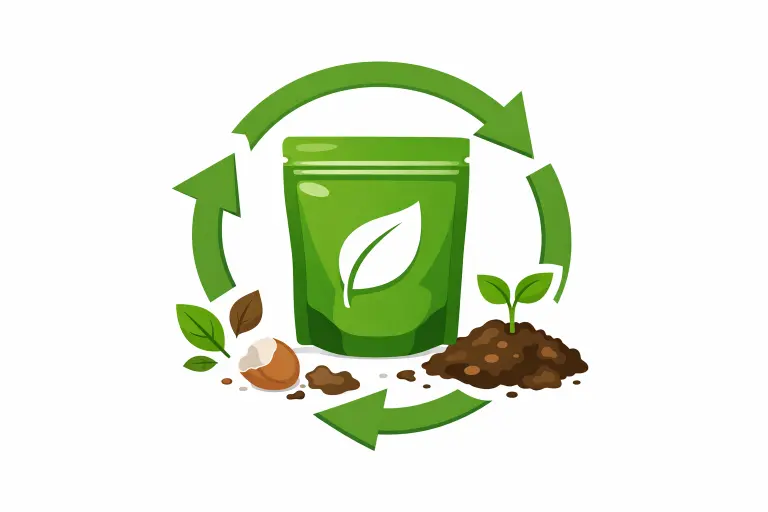
One significant step toward sustainability is the adoption of compostable materials that replace conventional plastic films in various packaging types. Producers aim to simulate the barriers, shelf life, and durability found in standard flexible packaging, all while ensuring a significantly lesser environmental toll. Innovation in this area continues to flourish as brands showcase new lines of compostable films tailored to meet different product needs.
Another important shift has been the increased use of post-consumer recycled content in packaging. Integrating recycled materials helps keep plastics in the circular economy and away from landfills, closing the loop for plastic waste. This builds on worldwide efforts to address the plastic waste crisis by making recycling more effective and better supported through infrastructure and consumer participation.
Advancements in Compostable Materials
Leading flexible packaging manufacturers have honed their focus on developing compostable films and laminates that retain key characteristics such as moisture and oxygen resistance. For instance, TIPA® has pioneered high-barrier compostable laminates that accommodate food and beverage packaging without compromising performance. These materials break down efficiently in industrial composting environments, offering a viable alternative to single-use plastics. Manufacturers are refining these solutions so they deliver the functional benefits of conventional packs while reducing long-term waste, as explained in recent coverage by Packaging Insights.
Incorporating Recycled Content
Growing emphasis on resource efficiency makes post-consumer recycled (PCR) content a valuable ingredient in sustainable packaging strategies. Companies like Fox Packaging have rolled out solutions containing up to 30 percent PCR, decreasing the demand for new plastics and limiting landfill contributions. These advancements mean that a growing range of packaging formats, including sturdy stand-up pouches and wraps, now utilize recycled plastic as a key raw material. This approach aligns with more extensive recycling initiatives promoted in cities and countries worldwide, as seen in research published by The New York Times.
Collaborative Efforts for Eco-Friendly Solutions
Several of the most promising breakthroughs in sustainable flexible packaging result from cross-sector collaborations. Borealis and Comexi, for example, have worked together to develop packaging alternatives made from recycled content that are still fully recyclable themselves. These collaborative ventures encourage the sharing of technical know-how, innovation funding, and regulatory insights. Choosing the right packaging suppliers plays a big role in expanding access to packaging options that meet both sustainability criteria and performance benchmarks.
Challenges and Considerations
Despite these exciting advancements, some challenges remain. The switch to compostable or recycled materials can raise production costs, especially while demand grows and supply chains stabilize. Furthermore, integrating these materials into existing packaging lines requires thoughtful adjustments to machinery and processes. Lastly, verifying that compostable packaging breaks down efficiently in diverse composting environments is essential. Policies supporting composting infrastructure and clear consumer instructions can assist in addressing these challenges, fostering a more circular approach to packaging.
Consumer Influence on Sustainable Packaging
Heightened consumer awareness and advocacy continue to drive changes in how companies package their products. As shoppers become more invested in purchasing from brands with strong sustainability credentials, businesses are shifting their approaches and investing in green packaging. Public demand for recyclability, compostability, and reduced plastic use is reflected in both legislation and industry initiatives. The surge of consumer interest is pushing packaging innovation further, helping to accelerate the adoption of responsible production and disposal practices.
Future Outlook
Looking ahead, sustainable flexible packaging will depend on continuous improvements in material science and deeper industry partnerships. Robust investment in research and development will be key, as will the willingness of stakeholders to share knowledge and resources. Progress may not come without setbacks, yet each new breakthrough in compostable materials, recycled content, and production methods gets the industry closer to a closed-loop system that truly benefits people and the planet. Ongoing education and collaboration among brands, manufacturers, and consumers will play a pivotal role in shaping this future.
Overall, the transformation of the flexible packaging industry through sustainable innovations signals a positive change. The collective efforts of material scientists, manufacturers, brands, and consumers are paving the way to a future where packaging supports both convenience and environmental responsibility.