Key Takeaways
- Tai Chi is a gentle, accessible practice with proven benefits for managing various chronic pain conditions.
- Research supports Tai Chi’s positive impact on pain, flexibility, and mental well-being.
- Getting started with Tai Chi can be tailored to individual needs and fitness levels.
- Consistent practice under qualified instruction yields the greatest benefits for chronic pain relief.
Table of Contents
Understanding Tai Chi
Millions of people across the world struggle with chronic pain, a persistent condition that can limit daily activities and diminish quality of life. Medication and physical therapy are common conventional solutions, but many people are turning to holistic, alternative paths to ease discomfort. Among the most promising is Tai Chi, an ancient martial art that uses slow, flowing movements and deep breathing to strengthen the connection between mind and body. For more on these holistic approaches, the article Tai Chi For Chronic Pain explores additional insights and real-life experiences.
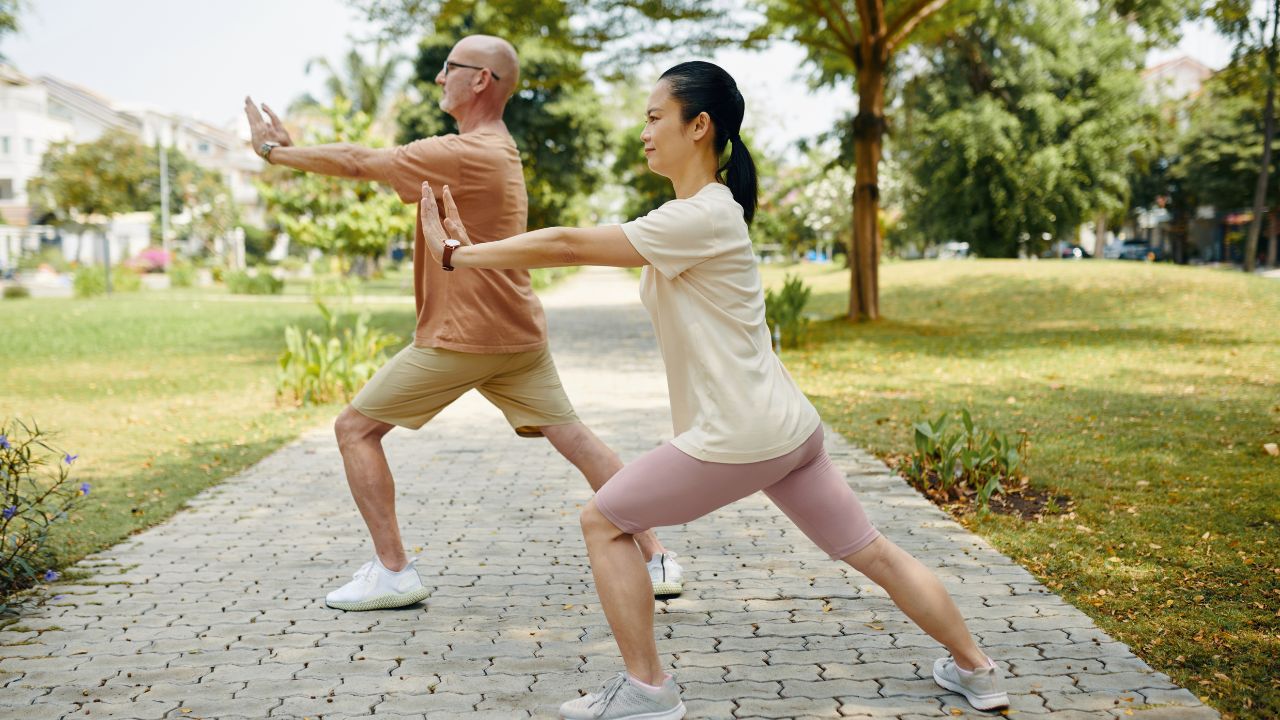
Tai Chi, often referred to as “meditation in motion,” is a low-impact exercise promoting balance, flexibility, and relaxation. Originating in China as a martial art, it has become accessible to people of all ages due to its gentle, rhythmic movements, appealing to those seeking a mindful approach to health. Tai Chi is distinguished by its meditative focus, in which practitioners execute controlled, deliberate motions while coordinating breath and attention, fostering a union of physical movement and mental calm that aids in alleviating pain and stress.
Unlike high-impact workouts, Tai Chi is adaptable and gentle, making it suitable for individuals with varying fitness levels, including those with chronic pain. The practice emphasizes fluidity and balance, helping build flexibility and strengthen muscles without excessive strain on joints or tissues.
Medical institutions, including the Mayo Clinic, recognize Tai Chi’s benefits, noting its effectiveness in reducing stress, anxiety, and chronic pain, especially among aging adults and those facing ongoing health challenges. Tai Chi offers a natural and holistic method for managing chronic pain, without the side effects linked to medications or invasive treatments. Integrating Tai Chi with other therapies such as red light therapy can enhance comfort, reduce inflammation, and empower individuals to live a more active and fulfilling life. Exploring local Tai Chi classes and building strong community support can improve motivation, consistency, and overall long-term pain management outcomes.
How Tai Chi Alleviates Chronic Pain
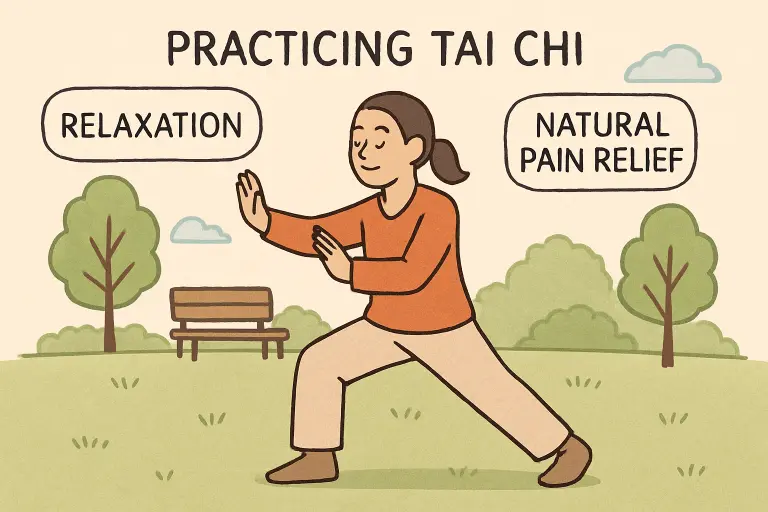
Clinical studies demonstrate Tai Chi’s ability to help manage and reduce chronic pain. In a systematic review published by Scientific Reports, researchers observed significant improvements in pain reduction and physical function among individuals practicing Tai Chi, particularly those living with osteoarthritis, low back pain, and osteoporosis. The review highlighted that consistent Tai Chi practice for as little as 6 weeks can lead to clear, noticeable differences in pain levels and movement quality.
One factor behind Tai Chi’s popularity among pain sufferers is its minimal risk and adaptability. Participants can adjust the depth and tempo of movements to suit their unique abilities, making it appropriate even for those with severe pain or mobility limitations.
Benefits for Specific Conditions
- Osteoarthritis: Both the American College of Rheumatology and the Arthritis Foundation recommend Tai Chi as a frontline treatment for knee osteoarthritis. Studies show improvements in pain, joint stiffness, and overall function for consistent practitioners.
- Fibromyalgia: The National Center for Complementary and Integrative Health reports reductions in pain, fatigue, and depression symptoms for fibromyalgia patients who engage in Tai Chi compared to those relying on standard exercise or care alone.
- Low Back Pain: A 2025 study in JAMA Internal Medicine found that an online, home-based Tai Chi program significantly improved pain and mobility in people with knee osteoarthritis, making it a compelling remote option for pain management.
Mechanisms Behind the Relief
The pain-relieving effects of Tai Chi result from several interconnected mechanisms:
- Mind-Body Connection: By combining movement with mindfulness, Tai Chi creates a calming effect that reduces stress and anxiety, two factors that often exacerbate chronic pain.
- Physical Activity: Controlled, low-impact exercise improves flexibility and joint health, while gentle strengthening can protect vulnerable tissues from further injury or discomfort.
- Neurological Effects: Current research indicates that practicing Tai Chi may influence how the nervous system processes pain signals, effectively reducing pain sensitivity and creating a longer-lasting sense of relief.
Getting Started with Tai Chi
Initiating a Tai Chi routine does not require specialized equipment or advanced fitness. The key steps to beginning this journey successfully are straightforward and supportive:
- Consult a Healthcare Provider: If you have chronic pain or other health issues, check with your doctor to ensure Tai Chi is suitable for your individual circumstances.
- Find a Qualified Instructor: Look for classes, either local or online, taught by experienced instructors who can personalize movements and guide you safely through routines.
- Practice Regularly: Aim to participate in Tai Chi two to three times a week. Regular practice, not intensity, is what generates positive results.
- Listen to Your Body: Only practice within your comfort level and gradually progress as your body adapts. The slow pace and adaptable nature of Tai Chi are designed for self-care and sustainable improvement.
Conclusion
Tai Chi delivers a natural, holistic means of managing chronic pain without the side effects associated with medication or invasive procedures. It’s a low-impact, meditative practice that improves both mental and physical well-being. For people coping with ongoing pain, Tai Chi offers a path to a more active, balanced, and fulfilling life. Integrating this ancient art with other proven non-surgical pain relief methods could be the turning point for increased comfort and long-term self-empowerment. Explore options in your area or online, and consider blending Tai Chi with other therapies to achieve the best possible long-term pain management.