Aging brings numerous physiological changes, but one of the most overlooked involves declining hydration status. Older adults face increased dehydration risk through multiple mechanisms—reduced thirst sensation, medication effects, and age-related body composition changes. Understanding these challenges and implementing proactive hydration strategies significantly improves quality of life, cognitive function, and physical health in later years.
Table of Contents
Age-Related Thirst Suppression
One of aging’s most dangerous aspects involves diminished thirst perception. While younger adults feel thirst when mildly dehydrated, older adults often don’t experience thirst until dehydration becomes moderate or severe. This delayed signal means seniors may go hours or even days without adequate fluid intake before noticing discomfort.
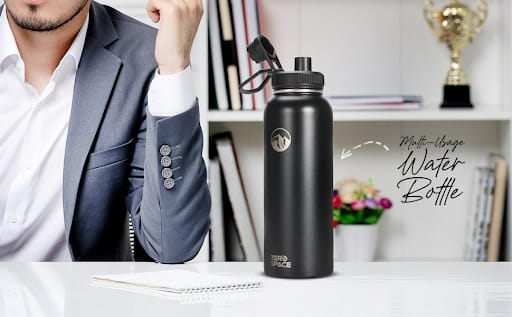
This suppression stems from age-related changes in hypothalamic function—the brain region controlling thirst. Seniors cannot rely on thirst as a hydration guide and must instead establish scheduled drinking patterns. Keeping a 1-liter water bottle in frequently occupied spaces like living rooms or bedside tables provides visual reminders and easy access throughout the day.
Medication-Related Dehydration
Many common medications prescribed to older adults increase the risk. Diuretics prescribed for blood pressure or heart conditions directly increase fluid loss. Other medications cause dry mouth, reducing the appetite for fluids. Some drugs impair kidney function, affecting the body’s ability to maintain fluid balance.
Seniors taking multiple medications need heightened hydration awareness.Healthcare providers should discuss fluid requirements when prescribing medications with dehydration effects, especially in clinical and diagnostic settings where tools like laboratory equipment support patient care and analysis. Proactive seniors and their caregivers must understand medication-related hydration needs and adjust intake accordingly.
Body Composition Changes
Aging naturally reduces total body water content. Young adults have approximately 60% body water, while seniors typically have 50% or less. This reduced water reserve means dehydration develops faster and with more severe consequences in older adults compared to younger people experiencing similar fluid losses.
Lower water reserves also mean seniors have less buffer against illness, heat exposure, or other situations that increase fluid demands. What causes mild dehydration in a 30-year-old might cause severe dehydration in a 70-year-old experiencing identical circumstances.
Cognitive Function and Hydration
Dehydration disproportionately affects older adults’ cognitive function. Studies demonstrate that seniors show significant cognitive impairment with dehydration levels that cause minimal impact in younger adults. Memory, attention, and processing speed all decline markedly when fluid intake proves inadequate.
This creates a dangerous cycle—dehydration impairs cognition, reducing seniors’ ability to recognize and respond to their own hydration needs, leading to worsening dehydration. Family members and caregivers should monitor hydration status rather than relying solely on seniors to self-manage this critical health aspect.
Fall Risk and Dehydration
Falls represent major threats to senior independence and health. Dehydration increases fall risk through multiple pathways—dizziness from orthostatic hypotension (blood pressure drops when standing), reduced reaction time, and impaired balance. Many falls attributed to “old age” actually stem from preventable dehydration.
Seniors living independently should prioritize consistent hydration as a fall prevention strategy. This becomes particularly important after rising in the morning, when overnight fluid losses combine with positional blood pressure changes to create elevated fall risk.
Chronic Condition Management
Many chronic conditions affecting seniors benefit from proper hydration, and in some cases, IV hydration therapy provides faster and more controlled fluid replenishment. Kidney disease, diabetes, arthritis, and constipation all improve with adequate fluid intake. Yet seniors with multiple conditions often feel overwhelmed by health management demands and neglect basic hydration.
Simplifying hydration makes it manageable. Rather than tracking exact volumes, seniors can aim for clear or pale yellow urine as a practical indicator. Using insulated bottles keeps water appealingly cool without requiring frequent trips to refrigerators, reducing barriers to consumption.
Social Isolation and Hydration
Socially isolated seniors face a particular dehydration risk. Living alone eliminates social cues that promote drinking—shared meals, tea with visitors, or family members offering beverages. Seniors experiencing loneliness or depression may also neglect self-care, including hydration.
Community programs, senior centers, and family check-ins should include hydration assessment. Video calls with family members can include prompts to drink water together, creating a connection while addressing health needs. Regular visitors should observe for dehydration signs like confusion, dry mouth, or reduced urine output.
Temperature Regulation Challenges
Aging impairs temperature regulation, making seniors more vulnerable to both heat and cold stress. During Pakistan’s intense summers, seniors face severe heat-related illness risk, particularly those with limited air conditioning access. Proper hydration partially compensates for reduced temperature regulation capacity.
Families should ensure seniors have adequate hydration equipment for hot weather. Thermos water bottles that maintain cold water for 24 hours prove particularly valuable for seniors with mobility limitations who cannot easily refill bottles frequently.
Practical Strategies for Seniors
Creating sustainable hydration habits requires simple, consistent routines. Drinking water upon waking, before each meal, and before bed establishes a minimum intake. Setting phone alarms or using medication reminder boxes that include “drink water” prompts helps seniors with memory concerns.
Visual tracking systems—like rubber bands moved from one side of a water bottle to the other with each refill—provide easy progress monitoring without requiring apps or complex record-keeping.
Caregiver Role in Hydration
Professional and family caregivers play crucial roles in senior hydration. Regular observation for dehydration signs should be standard practice. Caregivers should offer fluids frequently rather than waiting for requests, recognizing that seniors may not feel thirsty despite needing fluids.
Making beverages appealing increases consumption. Some seniors prefer flavored water, herbal teas, or specific temperatures. Accommodating preferences demonstrates respect while achieving health goals.
Conclusion
Aging transforms hydration from simple self-care to critical health management. Seniors, families, and caregivers who recognize this reality and implement proactive strategies protect cognitive function, prevent falls, manage chronic conditions, and maintain independence. Proper hydration represents one of the most accessible yet impactful interventions for healthy aging.