
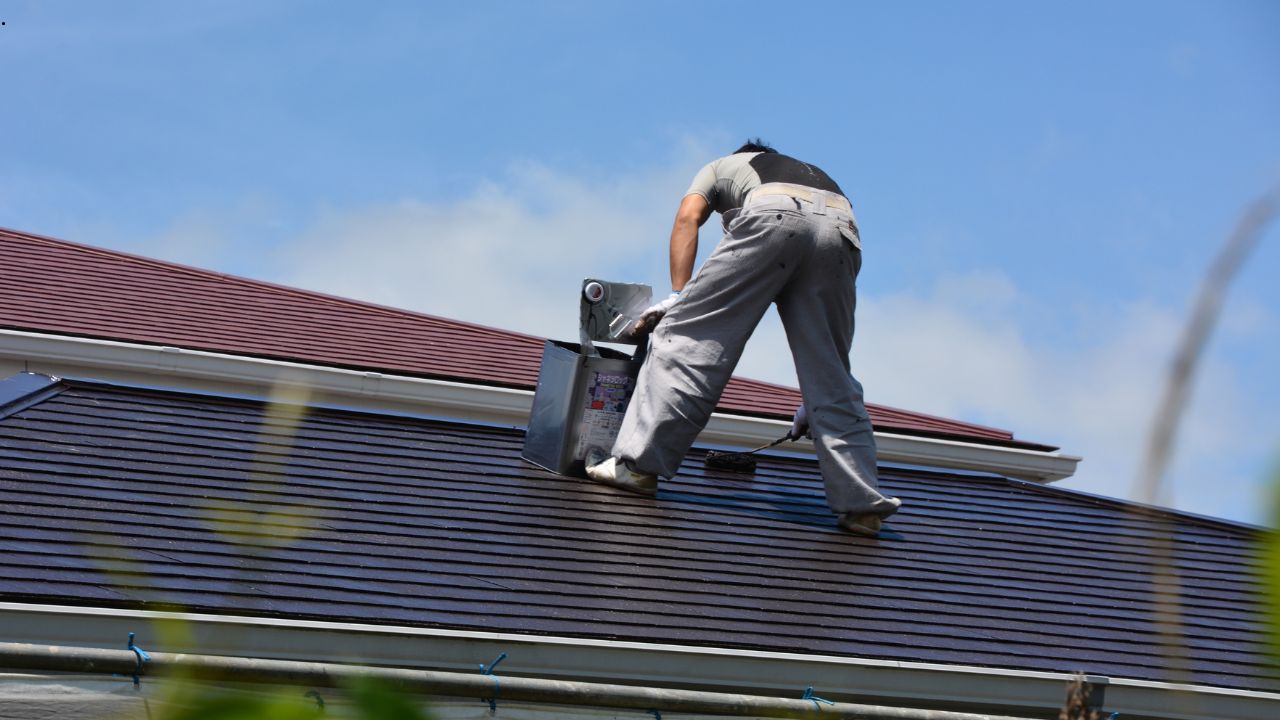
A roof is easy to overlook when everything appears to be working properly. Unlike a dripping faucet or a broken appliance, many roofing problems develop quietly and remain unnoticed until they begin affecting the interior of a home.
Regular roof inspections give homeowners an opportunity to identify developing problems before they become larger and more disruptive. From weather damage to worn materials, understanding what is happening overhead can help homeowners plan maintenance, protect their property, and make better decisions about repairs.
Small Roofing Problems Can Become Expensive Ones
Roof damage does not always begin with an obvious leak. A single damaged shingle, deteriorating flashing, or small opening around a roof penetration can expose the underlying system to moisture over time.
The challenge is that homeowners rarely see these areas during everyday life. By the time water stains appear on a ceiling, moisture may already have traveled through roofing materials, decking, insulation, or other parts of the structure.
An inspection can reveal warning signs while they are still relatively limited. Common issues that may be discovered include:
- Missing, cracked, curled, or loose shingles
- Damaged flashing around chimneys, vents, and skylights
- Signs of moisture intrusion
- Deteriorated sealants
- Problems around roof valleys
- Loose or damaged gutters
- Debris accumulation that interferes with drainage
- Areas affected by wind or previous storms
Finding an issue does not automatically mean the entire roof needs replacement. In many situations, identifying a localized problem early gives the homeowner more options for addressing it.
Weather Makes Preventive Roof Care Especially Important
Every roofing system is exposed to the elements around the clock. Sunlight, temperature changes, wind, rain, snow, and ice can gradually affect roofing materials.
In areas such as Reno and Northern Nevada, homeowners may experience a combination of strong sunshine, seasonal precipitation, wind, snow, and substantial temperature fluctuations. Those conditions can put repeated stress on roofing materials throughout the year.
A roof that looks fine from ground level may still have damage after severe weather. Wind can loosen shingles or flashing without removing them completely. Heavy precipitation can expose drainage problems. Winter conditions can also reveal vulnerable areas where moisture may enter.
For this reason, inspections can be particularly useful after significant weather events. Homeowners do not necessarily need to climb onto the roof themselves. In fact, walking on a roof without proper equipment and experience can create unnecessary safety risks and potentially damage roofing materials.
Inspections Help Homeowners Plan Instead of React
One of the biggest advantages of routine roof inspections is information.
Unexpected roofing problems can force homeowners to make quick decisions. If water is actively entering a house, there may be little time to research materials, compare options, or budget for the work.
Preventive inspections create a different situation. A homeowner might learn that the roof is currently performing well but has several areas that should be monitored. Another inspection might reveal repairs that should be completed soon. An aging roof could also show signs that replacement should be considered within the coming years.
That information makes it easier to create a maintenance plan rather than simply reacting to emergencies.
Homeowners looking for local information about roof inspections, repairs, replacements, and related exterior services can review Gomez Roofing Inc. to better understand the types of professional roofing services available in the Reno area.
The goal of an inspection should ultimately be clarity. Knowing the condition of the roof helps property owners decide what requires immediate attention, what can be monitored, and what may need to be included in future home-improvement plans.
What Should Happen During a Roof Inspection?
The exact process can vary depending on the property and roofing system, but a thorough inspection generally considers several important areas.
Roofing Materials
The visible roofing surface is an obvious starting point. On an asphalt-shingle roof, for example, an inspector may look for missing shingles, cracking, curling, unusual wear, or other indications that materials have been damaged.
Different roofing materials develop different problems, so the inspection should account for the type and age of the system.
Flashing and Penetrations
Many roofs contain vents, pipes, chimneys, skylights, or other penetrations. These locations require careful waterproofing because they interrupt the continuous roofing surface.
Flashing and sealants around these features can deteriorate over time. Identifying problems in these vulnerable areas may help prevent moisture intrusion.
Drainage
Water needs a clear path away from the roof and foundation. Gutters, downspouts, valleys, and other drainage components therefore play an important role in the overall roofing system.
Debris, damaged gutters, improper drainage, or other obstructions can allow water to collect where it should not.
Signs of Moisture
A roofing inspection may also involve looking for evidence that water has already entered the structure. Depending on accessibility, this could include signs of staining, damp materials, or other indications of moisture beneath the exterior roof surface.
These clues are important because the location where water becomes visible indoors is not necessarily the same location where it entered the roof.
When Should Homeowners Consider an Inspection?
There is no single schedule that applies to every house. The appropriate timing depends on the roof’s age, materials, local climate, previous repairs, and recent weather.
However, there are several situations when an inspection can be particularly worthwhile.
A homeowner may want the roof evaluated after a major storm, especially when high winds or heavy precipitation have occurred. An inspection can also make sense when purchasing or preparing to sell a property, when unexplained stains appear indoors, or when the roof is approaching the later portion of its expected service life.
Homeowners should also pay attention to visible changes. Shingles found on the ground, damaged gutters, unusual debris, sagging areas, or changes around flashing should not automatically be ignored simply because there is no active interior leak.
Maintenance Can Support the Entire Exterior System
Roof care should not be viewed in isolation. Gutters, siding, ventilation, chimneys, and other exterior components interact with the roofing system.
For example, gutters that do not drain properly can contribute to water-related problems around roof edges and the foundation. Damaged flashing around a chimney can compromise an otherwise functional roof. Inadequate ventilation can also affect conditions within the roof and attic assembly.
Thinking about the home as a complete system makes preventive maintenance more effective. Instead of waiting for one component to fail, homeowners can periodically evaluate how the exterior is performing as a whole.
A Better Approach to Long-Term Roof Care
The most practical time to learn about a roof’s condition is before water begins entering the living space. Routine inspections give homeowners an opportunity to catch visible deterioration, understand the remaining condition of roofing materials, and plan repairs or eventual replacement more deliberately.
No roof lasts forever, and inspections cannot prevent every unexpected problem. They can, however, provide valuable information that is difficult to obtain from ground level.
For homeowners, that knowledge can turn roof maintenance from an emergency-driven task into a manageable part of caring for the property. Paying attention to the roof, drainage, flashing, and related exterior components today can make it easier to protect the home through changing seasons and future weather events.