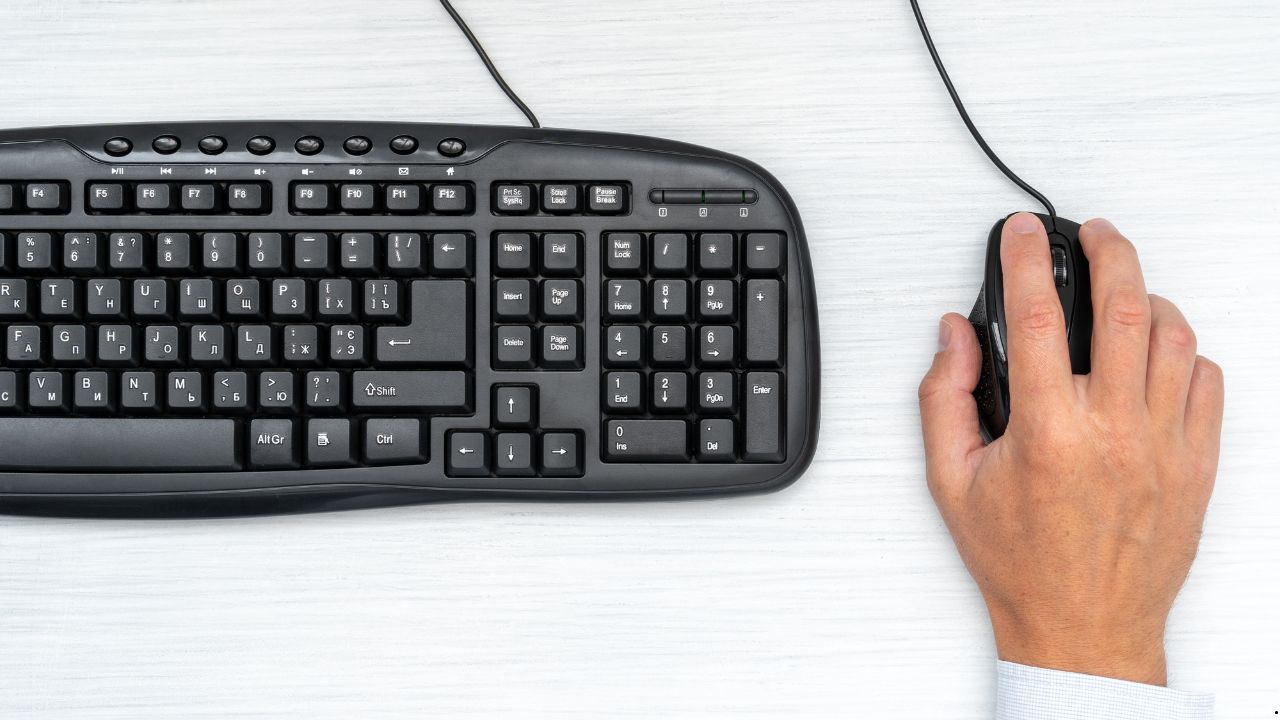
In today’s fast-paced work environment, the tools we use directly impact productivity, efficiency, and overall comfort. The latest input technology, ranging from advanced keyboards and precision mice to touch-sensitive surfaces and voice recognition systems, can dramatically streamline daily tasks, reduce errors, and minimize physical strain. Modern devices are designed not just for speed but also for adaptability, enabling seamless integration with various software and workflows. By upgrading to the newest input solutions, workspaces become more intuitive, responsive, and future-ready. Embracing these innovations ensures that employees can focus on creativity and problem-solving rather than struggling with outdated or cumbersome equipment, ultimately enhancing both performance and workplace satisfaction.
Table of Contents
Enhancing Productivity with Advanced Input Devices
Technology is most effective when it enables people to work comfortably and efficiently. Ergonomic devices like keyboards, adjustable mice, and stylus pens are designed with user health in mind. High-quality mechanical keyboards provide tactile feedback, boosting accuracy and speed, and choosing the right one becomes easier with this guide on gaming keyboard tips. Ergonomic tools help reduce strain injuries, which are common among office workers. These minor improvements can lead to major benefits. Research indicates that users of ergonomic equipment experience less discomfort and increased productivity. As remote work becomes more prevalent, dependable technology in personal workspaces becomes increasingly important.
Businesses that invest in high-quality input devices often discover improved workflow efficiency across multiple departments. With fewer complaints about discomfort and interruptions due to device malfunctions, teams can maintain focus and momentum, ultimately translating into better project outcomes and organizational growth.
Facilitating Seamless Collaboration
Collaboration is vital for modern businesses, as they depend on teamwork to drive innovation and respond quickly to the market. Input devices like touchscreens and stylus-enabled whiteboards let multiple team members share ideas, annotate, and brainstorm, whether in the same location or remotely. These tools are key to digital whiteboards and meetings, where quick, accurate input from many users is essential. They benefit hybrid teams by enabling real-time co-creation, drawing, markup, and voting, boosting engagement and participation. By breaking down communication barriers, these technologies foster a more engaging environment and support agile decision-making, crucial in today’s fast-paced business world. Teams using modern input devices experience smoother info exchange, increased creativity, and less friction in daily tasks. Saving time in sharing content and making decisions boosts productivity and job satisfaction.
Adapting to Flexible Workspaces
The move to flexible workspaces has prompted companies to implement open-plan designs and hot-desking. Modern wireless keyboards and mice enable employees to move easily across workstations, meeting rooms, and remote sites, and many professionals now prefer wireless gadgets for greater flexibility and convenience. With cables removed and lightweight devices facilitating quick transitions, workers are encouraged to be productive from any location. This approach optimizes office space, fosters autonomy, and demonstrates trust and flexibility, which enhances employee satisfaction and retention. Devices that synchronize across platforms support seamless work-from-home, conference, or client-site activities. Forward-looking companies recognize the importance of empowering teams to work effortlessly from any location.
Integrating with Smart Office Solutions
Innovative input devices play a key role in the development of smart office systems, doing more than just enabling typing; they link to environmental controls, security systems, and cloud services to automate and customize the workspace. Some advanced keyboards feature smart function keys that control HVAC systems, lighting, and shared resources such as meeting rooms. Incorporating these devices into automation frameworks allows organizations to analyze usage patterns and preferences, enhancing comfort and operational efficiency. These integrations streamline tasks, improve energy conservation, and make workplaces more responsive to individual and team needs, fostering a more adaptable and future-oriented office environment.
Supporting Accessibility and Inclusivity
Inclusive workplaces must ensure technology is accessible for people with different abilities. Modern input devices feature adjustable sensitivity and ergonomic designs, reducing obstacles to daily tasks. This effort goes beyond legal rules; it helps organizations access diverse talent and build a culture of inclusion, boosting employee contributions. Investing in accessible tech demonstrates an organization’s commitment to its staff, helping attract and retain diverse professionals and supporting long-term success.
Staying Competitive in a Tech-Driven Market
Investing in cutting-edge input technologies demonstrates a company’s innovative spirit and dedication to efficiency, and many of these modern tools are featured in curated lists of gaming tech gifts. This strategic choice attracts and keeps talent, improves recruitment efforts, and boosts brand reputation. In competitive industries, technological preparedness enables agility, allowing organizations to adapt and thrive in a digital economy and ultimately establish themselves as leaders in their field.
Conclusion
Smart businesses recognize that upgrading input technology is a fundamental driver of productivity, collaboration, innovation, and workplace well-being. The benefits span from comfort, flexibility, and inclusivity to the ability to maintain an edge in a rapidly shifting market landscape. Regularly evaluating and updating input devices is a proactive, cost-effective investment that delivers value through improved employee performance, greater satisfaction, more efficient workflows, and a dynamic workplace ready for the changes of tomorrow.