
Key Takeaways:
- Financial literacy equips individuals with the knowledge to make informed investment decisions.
- Understanding financial concepts can lead to better financial health and resilience.
- Access to financial education resources is crucial for empowering investors.
The Importance of Financial Literacy
Financial literacy lays the groundwork for individuals to achieve economic security, confidence, and long-term growth. It extends beyond simply knowing how to budget; it involves understanding critical concepts such as investing, compound interest, risk diversification, and debt management. As more resources appear online, communities are turning to educational hubs like Dow Janes Reviews to discuss programs that break down these concepts into accessible lessons. Navigating the complexities of personal finance requires a foundation rooted in sound financial education, which empowers individuals to build wealth over time and weather unexpected economic changes.
Informed investors are less likely to fall victim to common financial pitfalls, such as high-interest debt or trendy investment schemes. Instead, they are equipped to make sound decisions that serve their long-term interests, reduce financial stress, and build assets steadily. Quality financial education instills confidence, equipping people with the tools they need to analyze opportunities, spot risks, and maintain control over their financial trajectory.
Impact on Investment Decisions
Empirical studies consistently indicate that people with higher financial literacy are more likely to participate in the stock market and other investment vehicles. A deeper understanding of topics such as portfolio diversification, asset allocation, risk tolerance, and market volatility drives this participation. Research from institutions such as the National Bureau of Economic Research shows that increased financial literacy directly correlates with more informed investment decisions and improved financial behaviors, ultimately leading to stronger financial outcomes for everyday investors.
For example, an individual who understands the impact of inflation on savings is more likely to choose investment options that outpace inflation. Those who understand the concept of time in the market, rather than trying to time the market, are apt to stick with long-term strategies that foster wealth accumulation. As a result, financial literacy serves as a buffer against emotional or impulsive investment actions triggered by market swings leading to steadier, more reliable growth.
Enhancing Financial Health
Financial literacy has ripple effects that extend far beyond investment activities. Data from extensive studies, including surveys by the FINRA Investor Education Foundation, reveal a strong positive relationship between financial education and improved economic health metrics, such as higher savings rates, reduced debt, and higher credit scores. Mastery of basic financial skills leads to better budgeting, expenditure control, and smarter borrowing decisions, ensuring individuals are better prepared to handle emergencies and plan for major life events such as retirement or home ownership.
Financial confidence goes hand in hand with understanding personal rights and responsibilities. Beyond budgeting and investing, knowing how legal frameworks affect financial decisions can protect individuals from costly mistakes. Resources like navigating rights, representation, and your path to success complement financial education by helping people make informed choices that support long-term stability.
The power of financial education is especially evident in the benefits it brings to underserved communities, where access to quality resources can drastically improve future economic stability. According to research from The New York Times, even basic financial courses can positively transform an individual’s relationship with money, increasing their capacity to save and invest prudently.
Access to Educational Resources
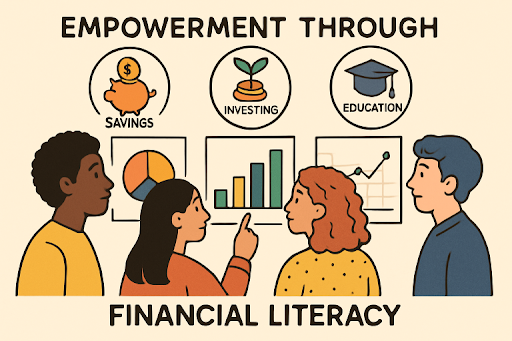
Quality financial education resources are essential for broadening access and boosting the confidence of would-be investors. Initiatives like Dow Jones Smart Money launch comprehensive, free-to-read content online, aiming to make financial literacy understandable to a wide range of readers. By demystifying technical jargon and providing actionable advice, these platforms bolster participation in financial markets for people of all backgrounds.
Large-scale nonprofit and government efforts often work in tandem with private organizations, providing further opportunity for adults and young people to develop core financial skills. Besides formal coursework, online communities and interactive modules increase access for those who may lack nearby or in-person educational options.
Role of Technology in Financial Education
Technology is rapidly reshaping the landscape of financial literacy. Learning modules delivered via smartphones, engaging apps, and virtual financial advisory platforms now make education accessible at any hour. Financial technology (fintech) firms have developed tools that teach budgeting and investing through gamified experiences or real-time scenario testing. This new approach particularly benefits remote or underserved communities, where traditional resources are often scarce or less tailored to local needs.
For instance, digital platforms like Khan Academy and Coursera partner with major financial institutions to offer free courses covering the basics of investing and personal finance. These platforms drive home the point that consistent learning, personalized to an individual’s time and comprehension level, can make a significant difference in financial outcomes. As technology advances, the reach and impact of these resources will only continue to grow.
Community Initiatives and Financial Literacy
Community-driven efforts play an integral role in ensuring widespread financial literacy. In cities such as Philadelphia, local nonprofits fill the gap by offering workshops, small-group classes, and one-on-one counseling for residents seeking to take control of their finances. Such programs provide tailored support specific to community needs and often have a tangible, long-lasting impact on financial preparedness. According to Forbes reporting, grassroots outreach is crucial, particularly in neighborhoods most vulnerable to economic instability.
By engaging local leaders, schools, and employers, these initiatives foster environments where financial wellness becomes part of the culture and shared knowledge is passed down to future generations. Community partnerships also help break down barriers of mistrust or intimidation that keep people from seeking financial guidance, ensuring that resources are not only available but also accessible to all.
Challenges in Financial Education
Despite notable progress, serious challenges persist in U.S. financial education. According to economic expert Ric Edelman, the U.S. continues to lag in preparing younger generations for real-world financial decisions, largely due to gaps in formal education policies and resource inequities across regions and demographics. Many schools still lack standardized personal finance courses, and existing curricula may fall short in preparing students for decisions about credit, loans, and long-term investments.
Bridging these gaps requires sustained commitment from policymakers, educators, and financial organizations alike. Standardizing personal finance education in K-12 curricula and subsidizing access to proven adult learning programs are major steps toward ensuring everyone has the chance to gain and maintain financial literacy throughout their lives.
Conclusion
Financial literacy is not simply a skill it’s a lifelong asset that empowers investors to make thoughtful choices, improve their financial health, and build stronger communities. By leveraging both technological innovations and targeted local programs, individuals from all backgrounds can cultivate the financial confidence needed to navigate changing economic tides. For those ready to take charge, embracing continuous learning through available resources lays the path toward sustainable growth, resilience, and prosperity.