
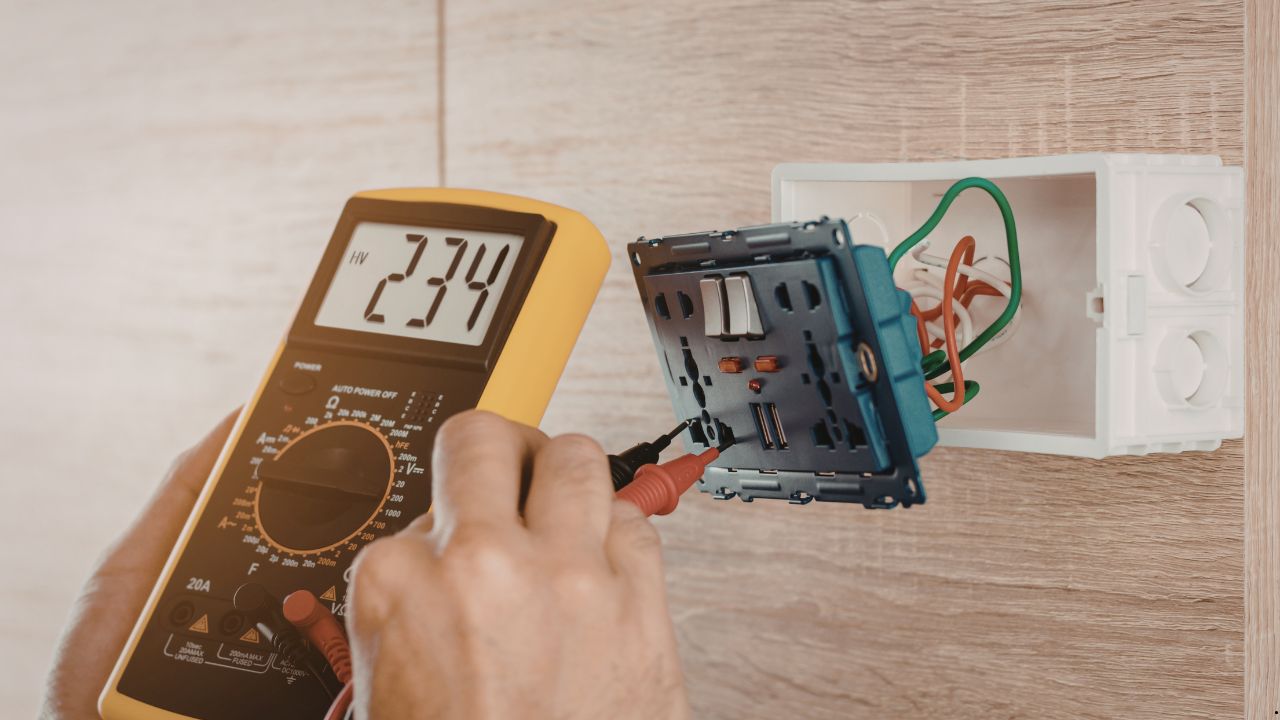
Every home relies on safe, functional electrical systems. But even the most modern setups can develop issues that jeopardize your safety and comfort. Identifying these problems early not only safeguards your home, but it can also help you avoid costly repairs down the road. If any electrical irregularities are present in your property, consulting a licensed electrician in Cleveland, Ohio can make all the difference.
Electrical problems are rarely “just a nuisance.” Many are clear red flags for deeper faults that require professional expertise. Ignoring these signals can put your property—and everyone in it—at serious risk. By understanding the most common signs, you’ll know exactly when it’s time to call in a trusted expert instead of attempting a risky DIY fix.
Even if your home’s wiring seems fine, subtle symptoms often hint at hidden hazards behind the walls. Addressing unusual smells, unreliable power, or overheating outlets swiftly is the best way to avoid emergencies and ensure long-term safety.
If you’re a homeowner preparing for storms or frequent outages, reliable power backup is also critical.
Frequent Circuit Breaker Trips
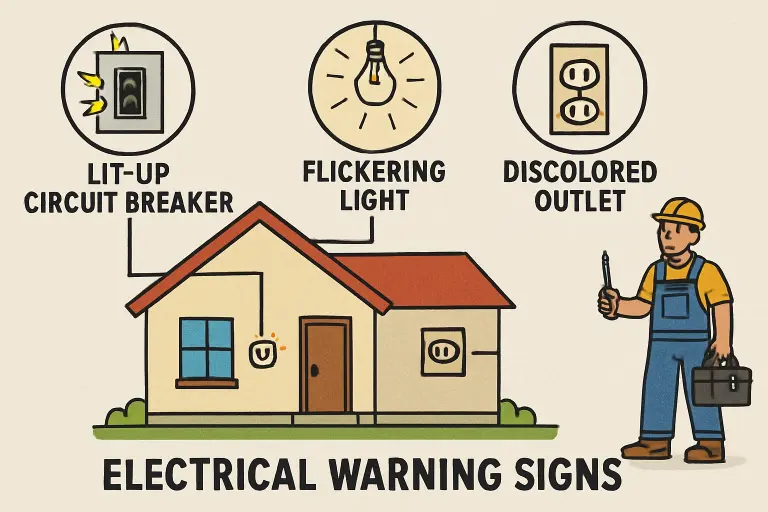
Modern electrical panels are designed to “trip” or shut off circuits when overloaded, preventing overheating and potential fires. While a single trip may not be alarming, frequent breaker activity suggests more serious issues, such as overloaded circuits, short circuits, or ground faults. Whether your home is older or newly built, persistent breaker problems mean you should have a professional electrician troubleshoot the system as soon as possible. Additionally, home generator installation can provide a reliable backup during outages, ensuring your electrical system remains safe and functional even when the grid is down.
Flickering or Dimming Lights
If you notice your lights flickering or dimming, especially when large appliances cycle on, it can signal overloaded circuits or loose wiring. Sometimes it’s as simple as a loose bulb or fixture, but if multiple lights or rooms are affected, it’s best to have an electrician assess your system. This ensures there are no underlying faults that could lead to further electrical damage or fire risks.
Burning Smell or Discolored Outlets
A persistent burning odor near outlets or the presence of brown, tan, or black discoloration around switches and outlets are signs of overheated wiring or faulty connections. These symptoms are strong warnings that immediate inspection is necessary—failures in these areas are a leading cause of residential electrical fires, according to the U.S. Fire Administration.
Warm or Hot Outlets and Switches
Power outlets and light switches should always be cool to the touch. Any excess warmth or heat indicates a problem with the circuit, such as overloading or deteriorating insulation in the wiring. These issues can escalate quickly if left unaddressed, so arrange for an electrician to inspect and repair them promptly.
Buzzing or Humming Sounds
Electricity should generally be silent. If you hear persistent buzzing or humming from outlets, switches, or your breaker panel, turn off the affected circuit if it’s safe to do so. These noises often indicate loose wiring connections or internal electrical arcing—a major fire hazard that worsens over time. Professional troubleshooting is the safest next step.
Sparks When Plugging in Appliances
A slight, momentary spark from an outlet is occasionally common, especially with older devices. However, large or regular sparks can indicate short circuits, moisture intrusion, or aging or damaged outlets. Don’t risk using these connections—have a professional electrician evaluate and repair them to prevent melted wires or potential fires.
Outdated or Damaged Wiring
Homes built over 30 years ago often rely on electrical systems that were designed for a different era. Understanding the evolution of electrical outlets helps homeowners recognize why older wiring, outlet designs, and materials no longer meet today’s safety standards and should be professionally evaluated. Old aluminum wiring, frayed insulation, and corroding connections significantly increase the risk of dangerous faults and power loss. If you haven’t had your electrical system professionally inspected in a decade or more, now is the time to schedule an evaluation.
Overuse of Extension Cords
While extension cords are helpful during events or for temporary usage, they’re not a safe long-term solution. Over-relying on extension cords often signals the need for electrical upgrades or additional outlets. When planning improvements, knowing how to choose the best electrical suppliers ensures quality materials, long-term reliability, and compliance with modern safety standards. Leaving cords running under rugs or behind furniture introduces tripping and fire hazards, making it vital to consult an electrician to install additional outlets where required.
Final Thoughts
Consistent monitoring of your home’s electrical system—watching for heat, unusual noises, odd smells, or power issues—can make all the difference in keeping your loved ones safe. Recognizing and acting on these warning signs helps you avoid costly emergencies and keeps your home’s electrical infrastructure in top condition. For any suspected electrical problems, always contact a licensed professional rather than taking risks with DIY fixes.