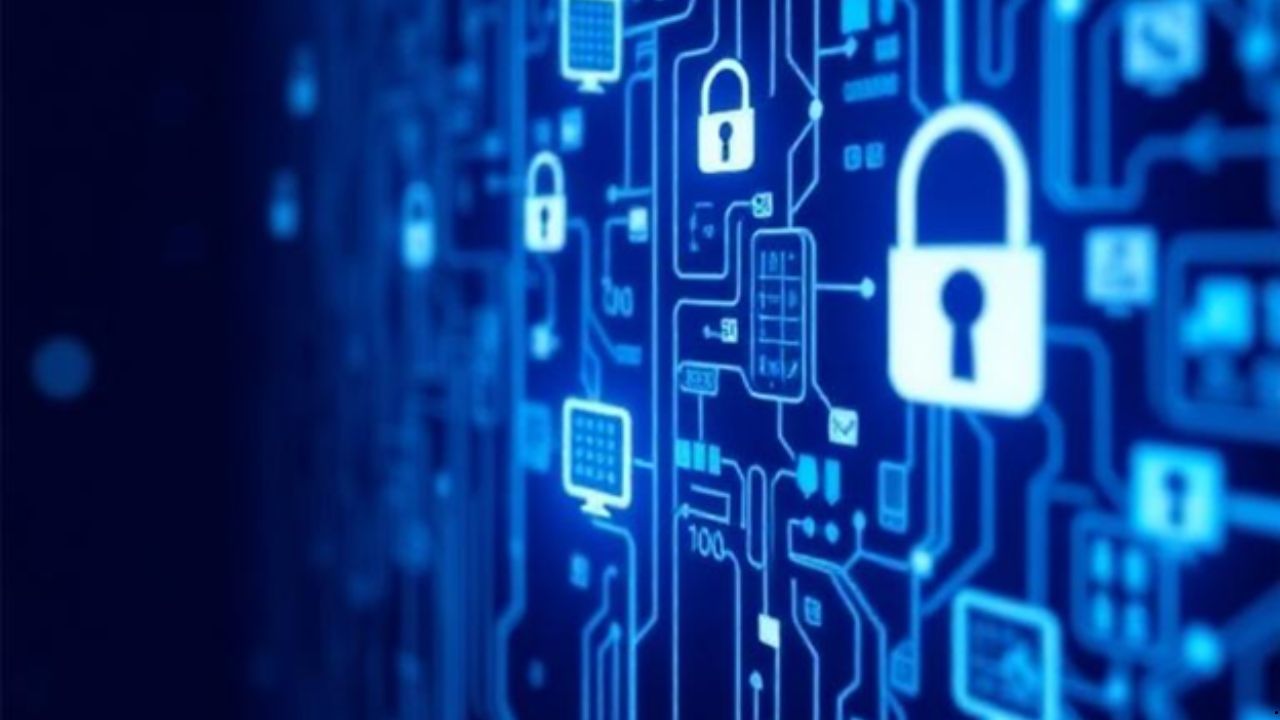
The shift from blackboards to dashboards may have been quicker than anyone had envisioned. As educational institutions welcomed the digital revolution with open arms, they also opened themselves up to unprecedented cybercrime risks.
The problem facing IT administrators of Learning Management Systems and educational institutions today is no longer keeping the wireless internet connection alive. The problem today is protecting the digital identity of the educational community.
How to Identify Vulnerabilities in the Learning Management System
Learning Management Systems are the nervous system of modern education. They are the heart of the educational revolution. They contain everything from grade books to discussion forums. Learning platforms store sensitive academic and financial records, which makes them highly attractive to attackers. The impact of poor cybersecurity can be severe, leading to data leaks, operational downtime, and long-term trust issues for institutions.
The primary vulnerability of the Learning Management Systems is the use of third-party integrations. With each and every plugin and add-on added to enhance the functionality of the system, these systems are becoming more and more vulnerable to cybercrime.
Additionally, if the Learning Management Systems are old and not patched against the latest security threats, then educational institutions are vulnerable to cybercrime. Many institutions rely on custom-built LMS platforms, and security often depends on how the system is developed. Whether you hire PHP developers internally or outsource the work, choosing the right development approach plays a major role in reducing hidden security flaws.
Best Practices in Securing Student PII
Student Personal Identifiable Information is like currency in the dark web. To protect student PII, educational institutions must embrace the data minimization philosophy. Educational institutions must collect and retain data that is absolutely essential. If there is no data, it is not possible to steal it.
The second pillar of defense is encryption. It is necessary to encrypt data both at rest on servers and in transit on the network. In this way, in case of a network intrusion, the stolen data is encrypted and useless to the attacker.
Protecting Faculty Intellectual Property
While protecting student data is at the forefront, it is also necessary to ensure faculty data is protected. Professors are creators of valuable intellectual property. If this intellectual property is lost, it is like losing years of academic investment. Faculty research data, grant proposals, course materials, etc., are all valuable assets. All these are forms of intellectual property. Losing this information can be devastating to a faculty member.
Intellectual property protection is achieved through network segmentation. The research data of faculty members should be kept on a network segment that is isolated from the rest of the network, including the student network. In this way, if malware infects a computer lab, it is not possible for it to spread to a faculty member’s research computer.
Implementing Access Controls And Backups
It is no longer possible to protect a network with password protection alone. Educational institutions have to implement Multi-Factor Authentication (MFA) on all user accounts now. MFA is an important pillar of defense. MFA is required to be implemented on all user accounts in an institution’s network. It’s also a requirement for providing an additional level of security to an institution’s network. Cyber criminals cannot gain access to an institution’s network with stolen password information.
Role-Based Access Control (RBAC) is one of the keys to defense. The idea of RBAC ensures that users only have enough access to information that they require to carry out their functions. A student worker in the library does not require any access to the financial aid database.
In addition, data loss may not always be carried out by malicious actors, as it may also be carried out by accident. Schools that make use of cloud computing should ensure that they have data recovery strategies, such as Google Workspace cloud backup for education. This ensures that, in the event of data being held hostage by attackers, normal activities can be carried out without having to give in to the attackers’ demands.
Navigating Compliance Standards
The digital classroom must function within an intricate web of legal requirements. In the United States, the Family Educational Rights and Privacy Act requires educational institutions to ensure the privacy of students’ education records. In addition, the Children’s Online Privacy Protection Act addresses data collection on children who are under the age of thirteen.
If the educational institution has students of different nationalities, then it must also comply with the General Data Protection Regulation. This ensures that the institution operates within legal standards, which provide a basis for the institution’s data security policy. Data security policy is essential in ensuring that data handling standards are legal and ethical.
Building a Culture of Cybersecurity
The digital classroom has firewalls to protect it. However, it is the people’s responsibility to protect the institution. The digital classroom can be built by instilling a culture of cybersecurity. This implies that all members of the academic community are responsible for ensuring that the institution is secure. This includes educating students on how to identify phishing activities; this is just as important as having firewalls. When all members of the academic community are vigilant, then the digital classroom is a secure place to learn!