
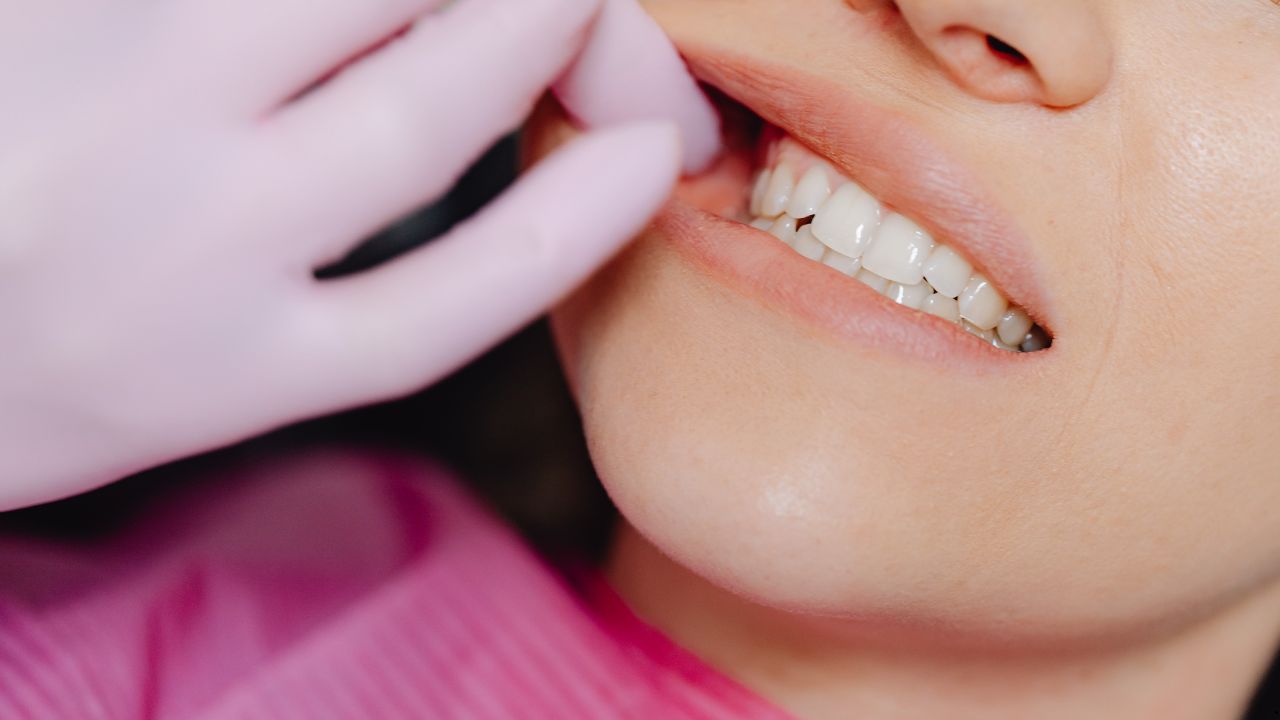
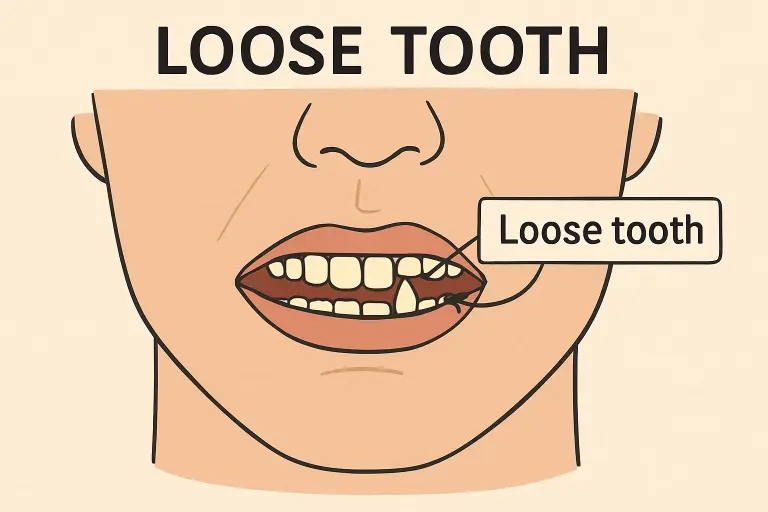
Loose teeth are often viewed as a childhood rite of passage, but for adults, noticing a wobbly tooth can lead to significant concern. The reality is that loose teeth in adulthood typically signal underlying oral health issues, and understanding the potential causes is essential. For those seeking expert advice or treatment for loose teeth, resources like New You Smile can provide helpful information and support.
While a loose tooth might feel unsettling, prompt identification of the root cause can make a remarkable difference in treatment outcomes. Adult tooth mobility differs significantly from that of children. Whether the movement is due to disease, trauma, or lifestyle factors, timely intervention often prevents further damage and preserves long-term oral health.
Gum Disease: The Leading Culprit
Gum disease, also known as periodontitis, is a leading contributor to loose teeth in adults. When harmful plaque and bacteria accumulate along the gum line, infection and inflammation can set in. If left untreated, gum disease damages the supporting tissues and jawbone, which can cause teeth to loosen and eventually fall out. Symptoms include persistent bad breath, swollen or bleeding gums, and receding gum tissue. According to the Centers for Disease Control and Prevention, almost half of adults over 30 show signs of gum disease, underscoring the importance of awareness and early intervention.
Dental Trauma and Injury
An accidental blow to the mouth, a fall, or a sporting injury can cause loose teeth, especially if the impact disrupts the tooth’s attachment to its socket. Dental trauma can range from minor chipping to significant dislocation, often involving not only the tooth but also the surrounding ligaments and bone. Immediate dental evaluation is critical after any trauma to the mouth. Prompt care increases the possibility of saving the affected tooth and preventing additional oral complications.
Bruxism: The Silent Tooth Grinder
Bruxism is the habitual grinding or clenching of teeth, most often during sleep. Many adults are unaware of this condition until they notice related symptoms, such as jaw discomfort, headaches, or increased tooth sensitivity. Over time, excessive grinding can weaken the structures that hold teeth firmly in place. The pressure wears down enamel, strains dental ligaments, and can loosen teeth. Managing bruxism often involves reducing stress, making lifestyle changes, and using custom night guards to protect teeth.
Osteoporosis and Bone Health
Osteoporosis can significantly affect oral health, particularly the stability of teeth. This condition causes bones throughout the body, including the jaw, to become less dense and more fragile. Weakened jawbones are less able to adequately support teeth, making them prone to loosening or loss. People with osteoporosis are encouraged to boost their calcium and vitamin D intake, remain physically active, and consult their medical provider about bone density testing. The Mayo Clinic highlights the importance of bone health for maintaining a strong foundation for teeth as people age.
Hormonal Changes and Their Impact
Certain life phases, such as pregnancy and menopause, can trigger hormonal changes that impact oral health. Shifts in hormone levels can make the gums more sensitive and prone to inflammation, even when oral hygiene is adequate. Increased blood flow and hormonal fluctuations can loosen the tissue around teeth, potentially increasing the risk of tooth mobility during these periods. Regular dental visits during pregnancy and menopause can help identify potential problems early, ensuring proper care and minimizing risk.
Preventive Measures
Taking a proactive approach to preventive oral care can significantly reduce the risk of loose teeth. Regular checkups and early treatment make a major difference in keeping your gums and supporting bone healthy. Key preventive strategies for reducing the risk of loose teeth include:
- Brushing teeth at least twice daily with fluoride toothpaste to stop plaque buildup
- Daily flossing to clean between teeth and below the gum line
- Scheduling regular dental check-ups and professional cleanings
- Wearing mouthguards while playing sports to shield teeth from injury
- Learning effective stress management techniques to help curb bruxism
Maintaining good oral habits goes beyond brushing and flossing. If you’re interested in improving both dental health and aesthetics, exploring a professional teeth whitening course can help you better understand modern cosmetic dental practices and safe whitening techniques.
Treatment Options
The recommended treatment for loose teeth depends on the cause and severity. Dentists may recommend:
- Deep Cleaning (Scaling and Root Planing): Thoroughly removes trapped plaque and tartar to halt the progression of gum disease.
- Splinting: Stabilizes the loose tooth by bonding it to neighboring teeth for additional support.
- Night Guards: Custom-fit devices worn while sleeping to protect teeth from nighttime grinding.
- Surgical Procedures: Options such as bone or gum grafts to rebuild damaged tissue and bone support.
Sometimes, if damage is extensive, tooth extraction followed by implant or prosthetic restoration may be required to restore function and aesthetics.
Conclusion
Loose teeth in adults should never be ignored. They often signal deeper issues that require swift evaluation and intervention by dental professionals. Understanding the causes, taking proactive prevention steps, and exploring various treatment avenues are central to preserving your smile for years to come. Through regular dental visits, good oral hygiene, and a healthy lifestyle, you can minimize the risk of tooth loss and safeguard your overall well-being.