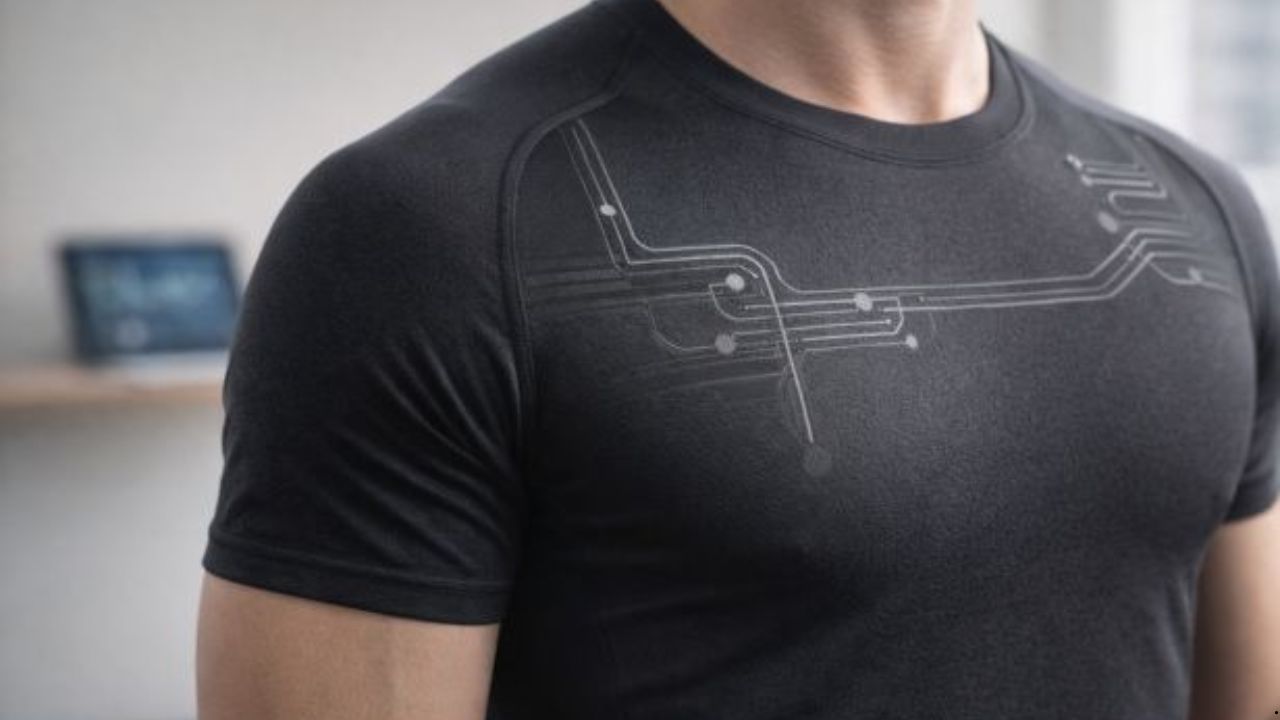
Wearable technology is no longer confined to rigid devices strapped onto the body. The next phase of wearables is being shaped by smart clothing and printed electronics, where sensing, connectivity, and intelligence are embedded directly into fabrics and flexible substrates.
This shift changes how wearables are designed, manufactured, and used. Instead of asking users to adapt to devices, smart clothing adapts to the human body, capturing data continuously and unobtrusively. Printed electronics are at the center of this transformation, enabling electronics that bend, stretch, and move without compromising function.
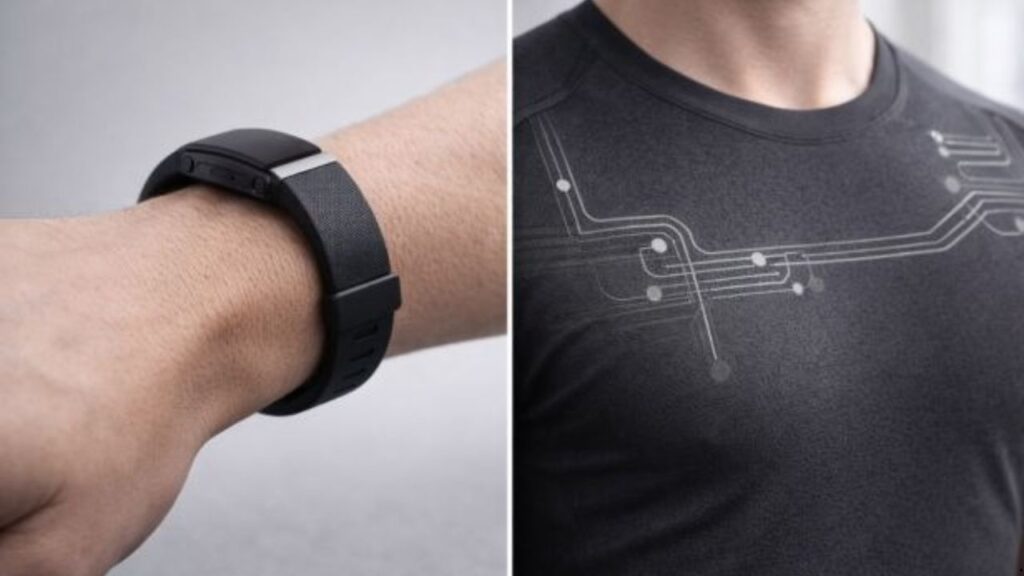
Table of Contents
Why Wearables Are Moving Beyond Rigid Devices
Traditional wearables face physical and ergonomic limits. Rigid housings, batteries, and connectors restrict comfort and long-term adoption, especially in professional or medical use.
Smart clothing addresses these limitations by:
- Distributing sensors across the body instead of concentrating them in one device
- Reducing pressure points and motion restriction
- Allowing longer wear durations with less user fatigue
- Integrating sensing into garments that people already wear
As wearables move into healthcare, industrial safety, athletics, and rehabilitation, comfort and compliance become as important as raw sensor accuracy.
Printed Electronics as the Enabling Layer
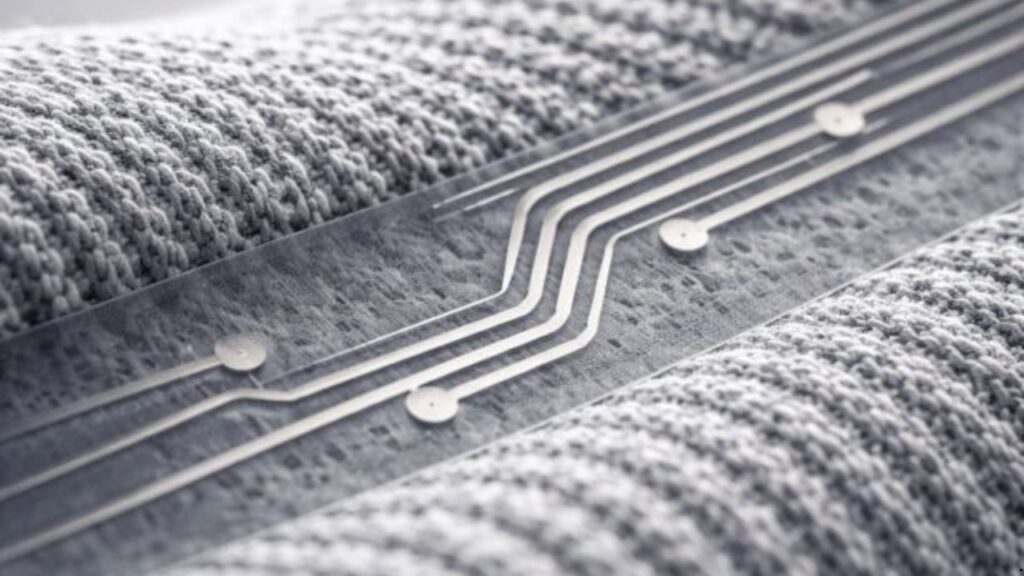
Printed electronics make smart clothing possible at scale. Instead of traditional rigid PCBs, circuits are printed using conductive inks onto flexible films or textiles.
Key capabilities of printed electronics include:
- Ultra-thin, lightweight circuitry
- Flexibility and stretchability
- Compatibility with roll-to-roll manufacturing
- Integration with textiles, films, and laminates
This approach allows electronics to follow the contours of the body without breaking or delaminating.
What Can Be Embedded Into Smart Clothing Today
Modern printed electronics enable a wide range of wearable functions.
Common integrated elements include:
- Biometric sensors for heart rate, respiration, and muscle activity
- Temperature and hydration sensors
- Pressure and motion sensing zones
- Printed antennas for wireless communication
- Flexible interconnects replacing traditional wiring
As materials improve, these elements are becoming more durable, washable, and repeatable in manufacturing. Modern printed electronics enable a wide range of wearable functions.
To better understand the foundational sensing technologies that power these garments, this breakdown of the different types of biometric sensors explains how ECG, EMG, temperature, and pressure sensing systems operate across medical and wearable applications.
The Manufacturing Shift: From Assembly to Integration
Smart clothing changes the manufacturing model. Instead of assembling components onto garments, electronics are becoming part of the garment itself.
This introduces new challenges:
- Aligning printed circuits with fabric stretch behavior
- Ensuring wash durability and abrasion resistance
- Managing electrical reliability under repeated motion
- Balancing performance with textile comfort
Printed electronics require close coordination between materials science, electronics engineering, and textile manufacturing.
Power and Data: The Hardest Problems Still to Solve
Sensing is only part of the equation. Power delivery and data transmission remain major constraints.
Current approaches include:
- Ultra-low-power printed sensors
- Energy harvesting from motion or heat
- Flexible batteries and supercapacitors
- Detachable power modules to improve washability
Where wearables are headed depends largely on how power and data challenges are solved without reintroducing rigid components.
Where Smart Clothing Is Gaining Real Traction
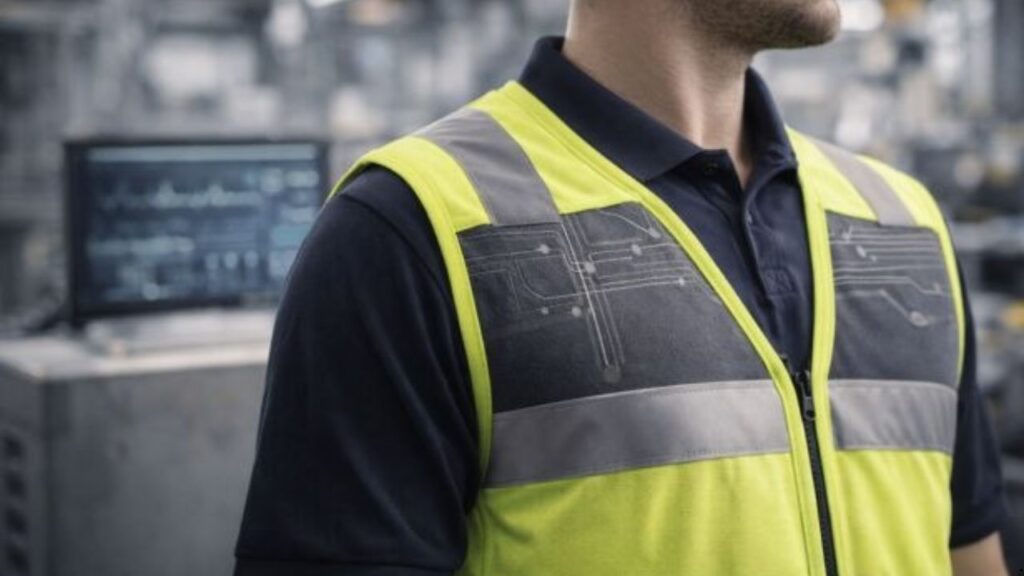
Smart clothing is moving fastest in applications where continuous, passive data collection provides clear value.
Examples include:
- Medical monitoring and rehabilitation
- Industrial worker safety and fatigue tracking
- Military and defense performance monitoring
- Professional athletics and injury prevention
- Elder care and remote patient monitoring
In these environments, printed electronics enable sensing without disrupting natural movement.
Durability and Lifecycle Reality
Smart clothing must survive conditions that traditional electronics rarely face.
Real-world stressors include:
- Repeated washing and drying
- Sweat, oils, and skin chemistry
- Mechanical stretching and compression
- Abrasion from daily wear
Designing for durability starts with choosing the right production partner. A quality clothing manufacturer understands fabric behavior, stitching strength, and long-term wear performance — all of which directly impact how well smart garments survive washing, stretching, and daily use.
Manufacturers with experience in printed electronics and flexible interface engineering, such as Butler Technologies, often emphasize that wearable reliability depends more on materials and process control than on sensor specifications alone.
Regulation, Privacy, and Trust
As smart clothing becomes more capable, it also becomes more sensitive.
Key considerations include:
- Data privacy and ownership
- Medical and workplace regulations
- Cybersecurity of wireless data streams
- User consent and transparency
Wearables that collect health or performance data must earn user trust through responsible design and governance.
Designing for Adoption, Not Novelty
The future of wearables is not about adding more sensors. It is about making technology disappear into daily life.
Successful smart clothing designs prioritize:
- Comfort over feature density
- Reliability over experimental form factors
- Seamless integration of visible technology
- Long-term usability over short-term novelty
Printed electronics support this shift by enabling intelligence without bulk.
Where Wearables Are Headed Next
Looking forward, smart clothing and printed electronics are converging toward:
- Fully textile-integrated sensing systems
- Modular architectures that simplify maintenance
- Greater standardization for scale production
- Deeper integration with AI-driven analytics
As materials mature and manufacturing processes stabilize, smart clothing is likely to move from niche deployments to mainstream adoption in professional and healthcare settings.
Frequently Asked Questions (FAQs)
1. What is smart clothing?
Smart clothing refers to garments that integrate sensors and electronics directly into fabrics to collect data without separate wearable devices.
2. How do printed electronics enable smart clothing?
Printed electronics allow circuits, sensors, and antennas to be printed on flexible substrates, making them lightweight, stretchable, and compatible with textiles.
3. What are the biggest challenges in smart clothing?
Durability, washability, power delivery, data transmission, and user comfort remain the primary challenges.
4. Where are smart clothing wearables most commonly used?
They are increasingly used in healthcare, industrial safety, athletics, military applications, and remote monitoring.