
Influencer marketing has grown steadily over the past decade, but with that growth has come increased complexity. Brands now work with larger numbers of creators across multiple platforms, while trying to track performance, manage communication, and maintain consistency. Many of these tasks were traditionally handled manually, which can make campaigns difficult to scale and manage efficiently.
This is where AI in influencer marketing has begun to play a role. Rather than replacing human decision-making, AI is used to support it by analyzing large amounts of data, identifying patterns, and assisting with routine processes. It helps teams move faster and make more informed choices without relying entirely on manual work.
As influencer campaigns grow, managing them effectively requires careful planning and expert strategies. You can check out expert tips for influencer marketing success to learn practical ways to improve your campaigns. This article explains how AI is used in influencer marketing, where it provides the most value, and what its practical limitations are.
What Is AI in Influencer Marketing?
AI in influencer marketing refers to the use of data-driven systems to support tasks such as influencer selection, audience analysis, campaign management, and performance tracking. These systems process large amounts of information and identify patterns that would be difficult to detect manually.
In practice, AI is used to assist with decision-making rather than replace it. It can help identify relevant creators based on audience data, evaluate engagement quality, and organize campaign workflows. By doing so, it reduces the need for manual research and allows teams to work with a larger number of influencers more efficiently.
The role of AI is, therefore, practical. It supports the operational side of influencer marketing by improving accuracy, reducing repetitive tasks, and helping structure processes that would otherwise be time-consuming.
Why AI Is Being Used in Influencer Marketing
The use of AI in influencer marketing is largely driven by the increasing scale and complexity of campaigns. As the number of creators grows and platforms generate more data, manual methods become less efficient. AI helps manage this complexity by organizing information and supporting decision-making in a structured way.
Scaling Influencer Discovery
Finding relevant influencers is no longer a simple task. With thousands of creators across different platforms, manual search can be time-consuming and inconsistent. AI helps narrow down options by analyzing profiles, content, and audience data to identify creators that align with specific campaign requirements.
Reducing Manual Work
Many parts of influencer marketing involve repetitive tasks, such as reviewing profiles, tracking engagement, and organizing outreach. AI can automate parts of these processes, allowing teams to focus more on planning and communication rather than routine work.
Improving Decision Accuracy
AI systems can process large datasets and identify patterns that are not immediately visible. This can help improve the accuracy of decisions related to influencer selection, audience targeting, and campaign performance. While human judgment remains important, AI provides additional data that supports more informed choices.
Key Use Cases of AI in Influencer Marketing
AI is used across several stages of influencer marketing, mainly to support tasks that involve large amounts of data or repetitive analysis. These use cases focus on improving efficiency and helping teams make more consistent decisions.
Influencer Discovery and Matching
One of the most common uses of AI is identifying relevant influencers. Instead of relying on manual searches, AI can analyze profiles, content, and audience data to match creators with campaign requirements. This helps reduce the time needed to find suitable partners.
Audience Analysis
AI can evaluate the audience behind an influencer, including demographics, engagement patterns, and authenticity signals. This helps brands better understand who they are reaching and whether the audience aligns with their target group.
Campaign Performance Tracking
Tracking performance across multiple influencers and platforms can become complex. AI helps organize data related to engagement, reach, and conversions, making it easier to monitor campaign results and compare performance over time.
Content Analysis
AI can also be used to analyze the content created by influencers. This includes reviewing tone, visual style, and consistency with brand guidelines. It provides an additional layer of insight when evaluating past collaborations or planning future campaigns.
Outreach and Communication Automation
Some tools use AI to assist with outreach by organizing contact lists, suggesting communication templates, or managing follow-ups. While communication still requires a human approach, AI can help structure and streamline the process.
Benefits of Using AI in Influencer Marketing
The use of AI in influencer marketing provides practical advantages, particularly in areas that involve large datasets and repetitive processes. While it does not replace strategic thinking, it supports execution and improves consistency across campaigns.
Time Efficiency
AI reduces the time required for tasks such as influencer research, audience analysis, and performance tracking. Processes that would normally take hours can be completed more quickly, allowing teams to focus on planning and communication.
Better Targeting
By analyzing audience data and content patterns, AI helps identify influencers whose followers align with specific campaign goals. This improves the likelihood that campaigns reach the intended audience without relying solely on assumptions.
Data-Driven Decisions
AI provides structured data that supports decision-making. Instead of relying only on surface-level metrics, teams can evaluate deeper insights such as audience quality, engagement patterns, and historical performance.
Scalable Campaign Management
As campaigns grow in size, managing multiple influencers becomes more complex. AI helps organize workflows and track performance across a larger number of participants, making it easier to scale campaigns without losing structure.
Limitations of AI in Influencer Marketing
While AI can improve efficiency and support decision-making, it also has limitations. Understanding these constraints is important for using it effectively and avoiding overreliance on automated outputs.
- Lack of contextual understanding: AI systems analyze data based on patterns, but they may not fully understand context. This can be important when evaluating tone, cultural nuance, or the intent behind content. Human judgment is still necessary to interpret these elements accurately.
- Dependence on data quality: The accuracy of AI outputs depends on the quality of the data it processes. Incomplete, outdated, or misleading data can affect results and lead to incorrect conclusions. Reliable data sources and regular validation are essential.
- Need for human oversight: AI can assist with analysis and organization, but it does not replace strategic decision-making. Campaign planning, relationship management, and creative direction still require human involvement. Effective use of AI involves combining automated insights with human review.
How Brands Use AI in Influencer Campaigns
AI in influencer marketing is most useful when applied across the full campaign process, from initial planning to post-campaign analysis. Rather than being used in isolation, it supports multiple steps and helps create a more structured workflow. In practice, brands combine AI insights with internal strategy to manage campaigns more efficiently.
Campaign Planning
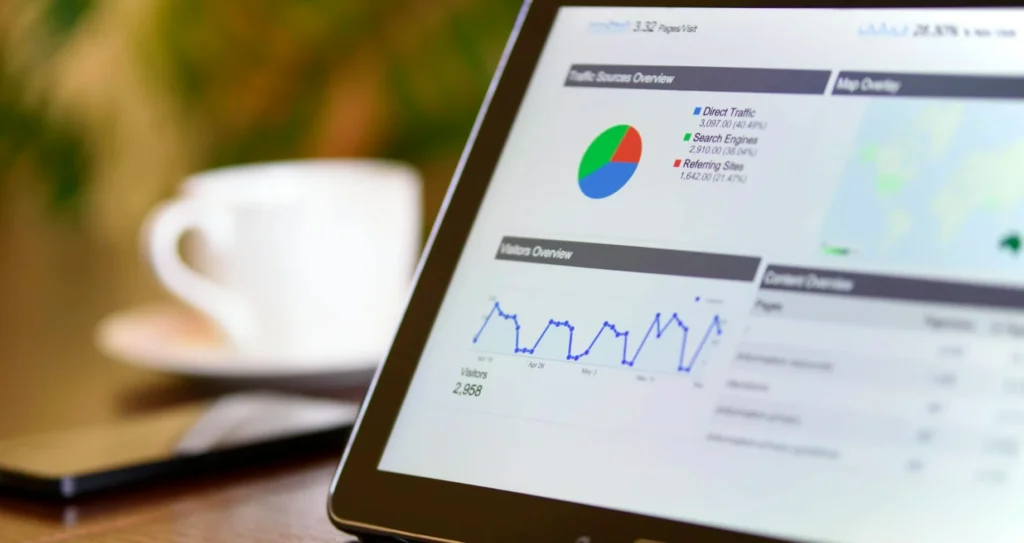
At the planning stage, AI helps define the direction of a campaign by analyzing past performance, audience behavior, and market trends. It can identify which types of content perform well within a specific niche, suggest optimal posting periods, and highlight audience segments that are most responsive.
This allows teams to base campaign decisions on data rather than assumptions. For example, instead of choosing platforms or formats based on general trends, AI can provide insights specific to the brand’s audience and past campaigns.
Influencer Selection
Influencer selection is one of the areas where AI has the most direct impact. Instead of manually reviewing profiles, AI systems can filter and rank influencers based on multiple factors, including audience demographics, engagement patterns, content style, and past performance.
It can also help detect irregularities, such as unusual engagement spikes or audience inconsistencies, which may indicate low-quality or non-authentic followers. This reduces the risk of selecting influencers who do not provide real value.
At the same time, human review remains necessary to assess brand fit, tone, and overall alignment, which cannot be fully captured through data alone.
Campaign Optimization
Once a campaign is active, AI can be used to monitor performance and suggest adjustments. It can track engagement, reach, and conversion metrics across multiple influencers, identifying which parts of the campaign are performing as expected and which are not.
Based on this data, teams can make changes such as reallocating budget, adjusting content formats, or refining targeting. AI helps surface these insights more quickly, allowing for timely decisions rather than waiting until the campaign has ended.
Over time, this continuous feedback loop improves future campaigns, as insights from previous performance are incorporated into new planning and execution.
AI Tools and Platforms for Influencer Marketing
As the use of AI in influencer marketing grows, a number of platforms have been developed to support campaign management, influencer discovery, and performance tracking in a more structured way. These tools are designed to reduce manual work while improving consistency across different stages of a campaign.
Some platforms combine multiple functions into a single workflow, allowing teams to move from planning to execution and reporting without switching between systems. This can include identifying relevant creators, organizing outreach, tracking performance, and analyzing results in one place.
One example is an Hypefy AI influencer marketing platform, where tools are designed to assist with identifying relevant creators, organizing outreach, and analyzing results. You can turn influencer marketing into science with AI agents that help run your campaigns from brief to published content.
The Future of AI in Influencer Marketing
The role of AI in influencer marketing is expected to expand, but its development is likely to remain practical rather than transformative. As tools improve, the focus will continue to be on making existing processes more efficient and better supported by data, rather than replacing human involvement.
Increased Automation
More routine tasks are likely to become automated over time. This includes parts of influencer discovery, data analysis, and campaign reporting. Automation can help reduce workload, but it will still require oversight to ensure that outputs remain relevant and accurate.
Better Predictive Analytics
AI systems are gradually improving in their ability to forecast outcomes based on past data. This may help brands estimate campaign performance, identify potential risks, and make more informed decisions before launching campaigns. However, predictions will still depend on the quality and consistency of available data.
Integration With Other Marketing Channels
AI tools are increasingly being integrated with other marketing systems, such as paid advertising platforms, CRM tools, and analytics dashboards. This allows influencer marketing to be managed alongside other channels, providing a more complete view of overall performance.
A Practical Role for AI in Influencer Marketing
AI in influencer marketing is best understood as a support tool rather than a replacement for human work. It helps organize data, reduce repetitive tasks, and improve the consistency of decision-making across campaigns. As influencer marketing continues to grow in scale, this kind of support becomes increasingly useful.
At the same time, its effectiveness depends on how it is used. AI can process information and highlight patterns, but it does not replace judgment, creativity, or an understanding of context. These elements remain essential for building meaningful campaigns and maintaining strong relationships with creators.
In practice, the most effective approach combines both. AI provides structure and efficiency, while human input ensures that campaigns remain relevant and well-directed. Together, they allow influencer marketing to be managed in a way that is both scalable and grounded.